

Wireless
temperature sensor.
The right reading.
From the right point.

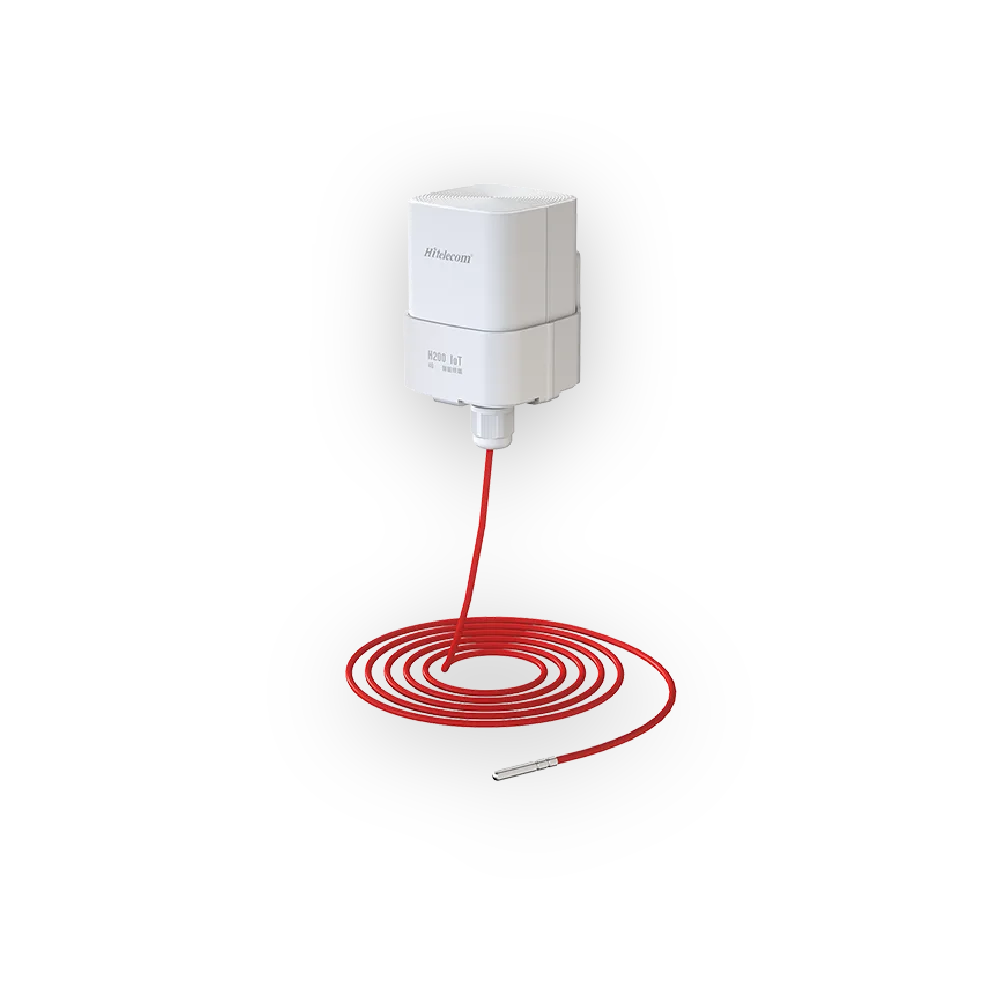
Hitelecom H Series temperature transmitter with red probe cable and metal probe, official product image
Example configuration · External probe

The Hitelecom H Series wireless temperature sensor brings readings from selected measurement points to remote monitoring and configured alerts. Product form, enclosure, sensing arrangement and range can be customized for industrial sites, pharmaceutical storage and laboratories. Select the wireless configuration and reporting profile for your installation, with data delivered to Hitelecom Cloud or a compatible customer platform. The external-probe design shown is one available configuration.

Custom designForm and sensing arrangementMatched to your installation
IP68 optionEnclosure protectionSelected with the final configuration
Your platformRemote temperature dataHitelecom Cloud or compatible integration

KEY FEATURES

Temperature data.
Ready for your operation.

Match the product design, sensing point and data connection to the way your team works.

Remote temperature monitoring

Bring readings from distributed measurement points into the selected monitoring platform.

Configurable threshold alerts

Set temperature limits for the application and agree the notification workflow with your platform.

Customizable product design

Match the product form, enclosure and sensing arrangement to your installation. Published family ranges span −200°C to +800°C through selected probe and input configurations.

Accuracy options

±0.5°C is listed, with ±0.1°C customization available. Agree the accuracy for your working range and complete measurement configuration.

IP68-rated enclosure

IP68-rated enclosure options support demanding installations. Match the supplied device, sensing assembly and enclosure protection to the site.

NFC configuration

NFC activation and local setup are listed for the family. Match the configuration method to the supplied model.

Wireless connection options

Choose a 4G, NB-IoT or LoRa variant for the available network, regional requirements and integration path.

Low-power operation

A design reference of over 10 years at hourly reporting under specified test conditions. Match the battery and operating profile to your project.

MEASURE THE RIGHT TEMPERATURE

Start with
the measurement point.

Room air, a pipe wall and the liquid inside that pipe represent different temperatures. Define what you need to measure, then select the product design, sensing arrangement and installation position.

01

Air temperature

For rooms, cold stores and equipment air inlets. Position the sensing point where the air represents your monitoring objective, with suitable exposure and separation from local heat sources.

Define your measurement
Room or cabinet layout · Representative positions · Airflow · Required response
Discuss this measurement ↗
02

Surface temperature

For accessible equipment housings, pipe walls and selected surfaces. Specify the contact method, surface material and insulation so the probe measures the intended surface consistently.

Define your measurement
Surface material · Contact method · Working temperature · Access for installation
Discuss this measurement ↗
03

Immersion temperature

For liquids, tanks and process media. Specify the medium, pressure, insertion depth and connection so the sensing element reaches the intended measurement zone.

Define your measurement
Medium · Pressure · Insertion depth · Wetted materials · Process connection
Discuss this measurement ↗
SENSING & INSTALLATION

Plan the sensing point.
Match the device to the site.

Select the sensing arrangement for the measured temperature and the device for its operating environment. For external-probe configurations, position the transmitter within its specified electronics and battery conditions. Mounting, exposure, cable routing where applicable, and wireless coverage belong in the same installation plan.

FROM READING TO RESPONSE

Know the temperature.
Give your team a clear next step.

Sampling is when the device measures temperature. Reporting is when data is sent. Define both alongside the alert response your team needs, rather than selecting an interval from battery life alone.

01

Measure

The selected sensing configuration measures temperature at the defined point. Choose sampling requirements according to how quickly the monitored conditions can change.

02

Transmit

Readings travel through the selected cellular or LoRa configuration. Agree the reporting interval and connection path before deployment.

03

Review

Use the connected platform to review readings, trends and configured alerts. Define who receives a notification and what action follows.

PUBLISHED BATTERY-LIFE DESIGNOver 10 years.
At one-hour reporting.

The published family is designed for over 10 years of battery life at one-hour reporting under specified test conditions. Actual service life depends on the selected model, battery and sensing configuration, network coverage, retransmissions, temperature, sampling rate and reporting interval.

APPLICATIONS

Temperature monitoring.
Across your operation.

For industrial and outdoor sites, pharmaceutical and laboratory storage, cold chains and other temperature-sensitive operations. Choose your industry, then explore the sensing point, product form and reporting requirements for your project.

8 industry categories 40 monitoring tasks

Application photographs illustrate representative environments.
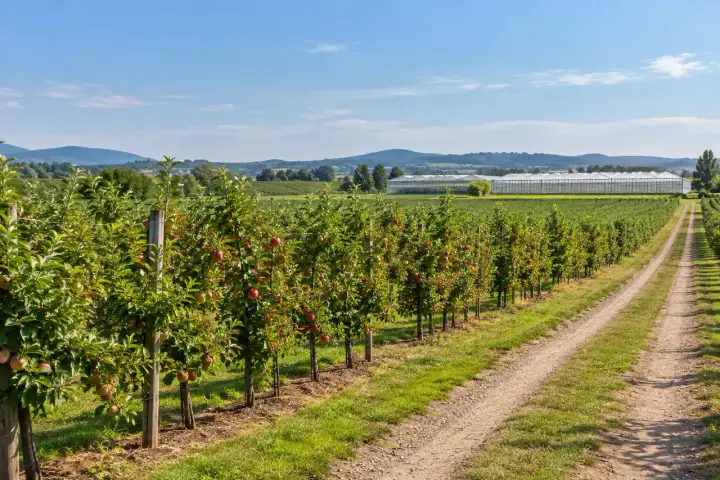
01Agriculture & outdoor environments6 monitoring tasks
Modern orchard and field setting with a distant greenhouse and open-air exposure
Orchard and crop-zone environment

Plan representative air, crop-zone and soil positions. Outdoor air readings need radiation protection and suitable ventilation; soil readings require a probe and depth matched to the monitoring objective.

Farmland air & soil

Shielded air or specified soil-depth temperature
Cultivated farmland with crop rows and exposed agricultural soil
Farmland and soil environment

Follow temperature at selected crop-air or soil positions across dispersed fields. Local trends give the farming team a record to review alongside crop stage, weather and field operations.

Temperature to measure
Shielded air or specified soil-depth temperature
Measurement point
Shielded representative air position or a soil-compatible probe at a defined depth.
Plan your installation
Crop and soil type, depth, radiation protection, moisture exposure, mounting and network coverage.
Discuss this application

Orchards & frost monitoring

Canopy-level or near-ground air temperature
Orchard rows beneath an open sky, showing a crop-canopy environment
Orchard and crop-canopy environment

Track temperature through the night at representative orchard positions. Canopy-level and near-ground observations provide local temperature information for the team’s frost-response plan.
Temperature to measure
Canopy-level or near-ground air temperature
Measurement point
Radiation-shielded positions near the crop canopy and selected lower areas, with separate points where required.
Plan your installation
Crop stage, measurement height, site variation, shield, reporting and notification response.
Discuss this application

Greenhouses & growing areas

Crop-zone air or specified growing-medium temperature
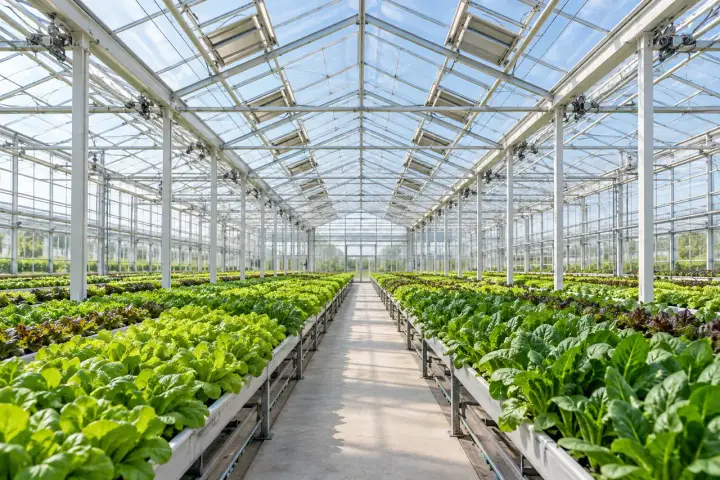
Modern greenhouse interior with crop rows and roof ventilation
Greenhouse growing environment

Compare temperature inside and outside selected growing areas. Representative crop-zone readings help the team review ventilation, shading and heating conditions through the daily growing cycle.
Temperature to measure
Crop-zone air or specified growing-medium temperature
Measurement point
Shielded crop-height air positions, selected greenhouse zones or a compatible growing-medium probe.
Plan your installation
Crop height, airflow, sunlight exposure, zone count, humidity exposure, working range and response needs.
Discuss this application

Livestock buildings & yards

Representative animal-zone air temperature
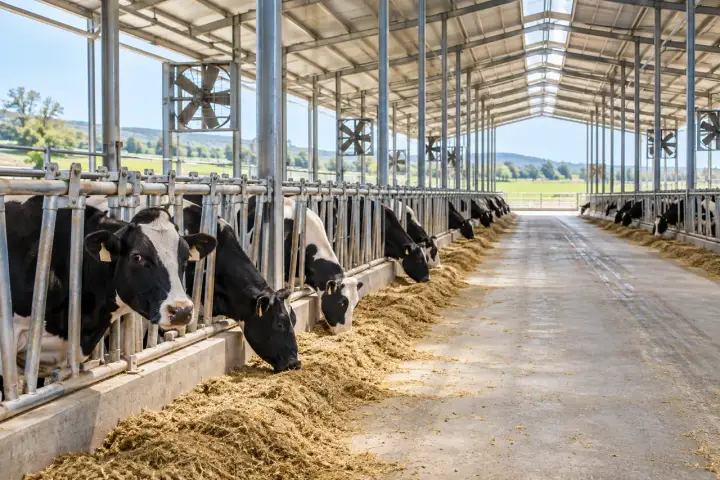
Modern dairy barn with livestock and a ventilated animal environment
Dairy livestock environment

Observe air temperature in animal housing and selected outdoor areas. Compare local conditions between zones and shifts to support ventilation checks and the farm’s heat- and cold-weather procedures.
Temperature to measure
Representative animal-zone air temperature
Measurement point
Representative animal-zone air positions, away from direct heat sources and with outdoor radiation protection.
Plan your installation
Animal type, height, ventilation, washdown and dust exposure, mounting protection and reporting requirements.
Discuss this application

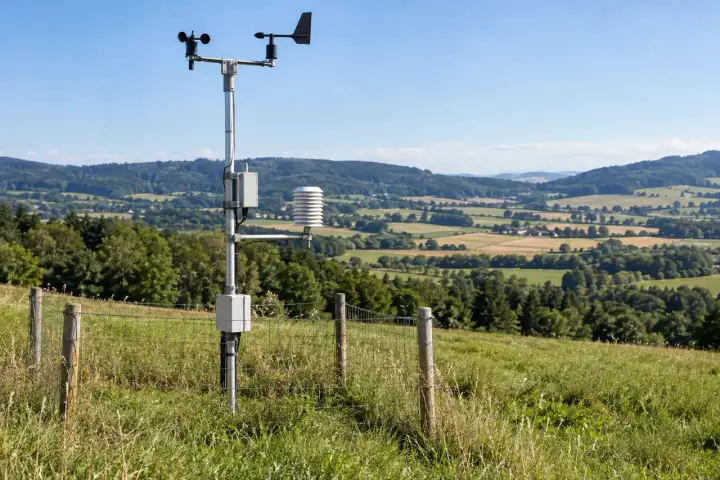
Outdoor weather & microclimate

Radiation-shielded outdoor air temperature
Outdoor weather observation mast and instruments in a natural landscape
Outdoor weather observation environment

Record local air-temperature trends across campuses, parks and distributed outdoor sites. Consistent exposure and siting help the team compare locations and track changing conditions over time.

Temperature to measure
Radiation-shielded outdoor air temperature
Measurement point
Shielded air position with suitable ventilation, clear of nearby artificial heat sources.
Plan your installation
Measurement height, radiation shield, site exposure, comparison interval, mounting and connectivity.
Discuss this application

Forests & conservation areas

Selected woodland microclimate temperature
Trees and dense undergrowth at a woodland edge beneath a cloudy sky
Woodland edge and natural undergrowth under cloudy daylight Photo: Ayyuha Sideeq · CC0 · Resized, cropped and converted to WebP

Follow local temperature in forest plots and protected outdoor environments. Relate the readings to the observation site and other environmental information used by the monitoring team.
Temperature to measure
Selected woodland microclimate temperature
Measurement point
Defined shielded positions within or outside the canopy, according to the monitoring objective.
Plan your installation
Canopy exposure, height, environmental protection, access, network availability and any separate humidity or smoke requirements.
Discuss this application
02Energy & electrical assets5 monitoring tasks
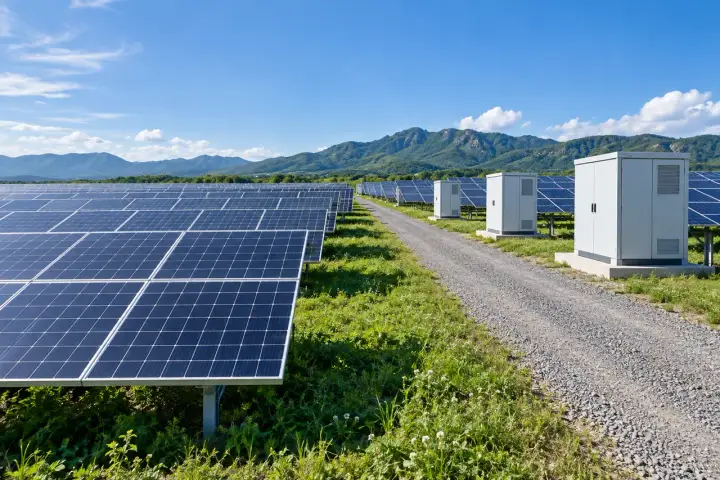
Solar photovoltaic plant with panels and closed electrical equipment enclosures
Solar PV operating environment

Choose the air or surface temperature needed by the equipment owner. Attachment, electrical separation, clearances and transmitter location form part of the approved installation.

Solar PV sites

Module-backsheet, equipment-surface or air temperature
Solar panel arrays and electrical support facilities at an outdoor photovoltaic site
Solar PV operating environment

Record temperature at selected PV module backsheets, inverter surroundings or site-air positions. Compare the thermal trends with the plant’s operating and weather data when reviewing local conditions.
Temperature to measure
Module-backsheet, equipment-surface or air temperature
Measurement point
Equipment-approved backsheet contact point, accessible enclosure surface or shielded ambient position.
Plan your installation
Measurement objective, approved attachment, electrical separation, cable route, exposure and platform requirements.
Discuss this application

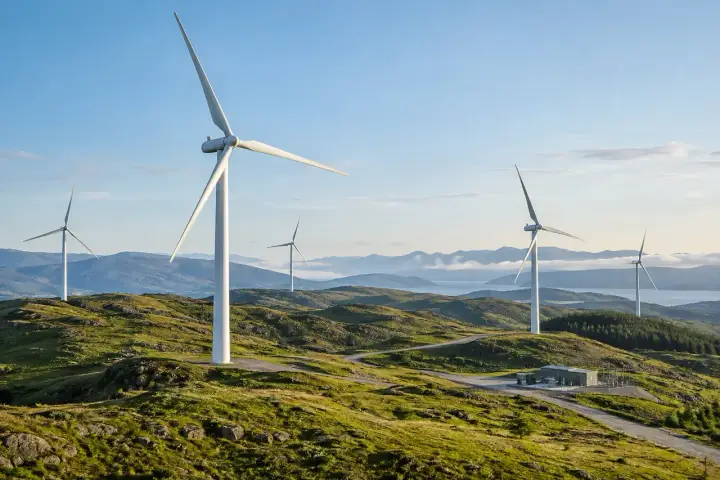
Wind-power facilities

Nacelle, tower or equipment-room temperature
Wind turbines and service facilities in an open wind-farm landscape
Wind-farm operating environment

Follow temperature at selected accessible locations in nacelles, towers and electrical rooms. Give remote operations teams a local thermal record to review alongside turbine operating conditions.
Temperature to measure
Nacelle, tower or equipment-room temperature
Measurement point
Equipment-owner-approved air or enclosure-surface points inside the nacelle, tower or auxiliary equipment room.
Plan your installation
Operating environment, vibration, mounting, approved access, electrical separation and coverage at the transmitter.
Discuss this application

Energy storage & UPS environments

Room air or specified enclosure-surface temperature
Indoor electrical power and energy-storage equipment cabinets
Power and energy-storage equipment environment

Monitor air temperature around energy-storage enclosures, battery rooms and UPS equipment. Selected local trends give the facilities team context for ventilation checks and routine equipment inspections.
Temperature to measure
Room air or specified enclosure-surface temperature
Measurement point
Representative surrounding-air position or separately approved accessible enclosure surface.
Plan your installation
Equipment-owner requirements, point locations, electrical separation, room ventilation, mounting and response needs.
Discuss this application

EV charging sites

Approved enclosure-surface or control-cabinet air temperature
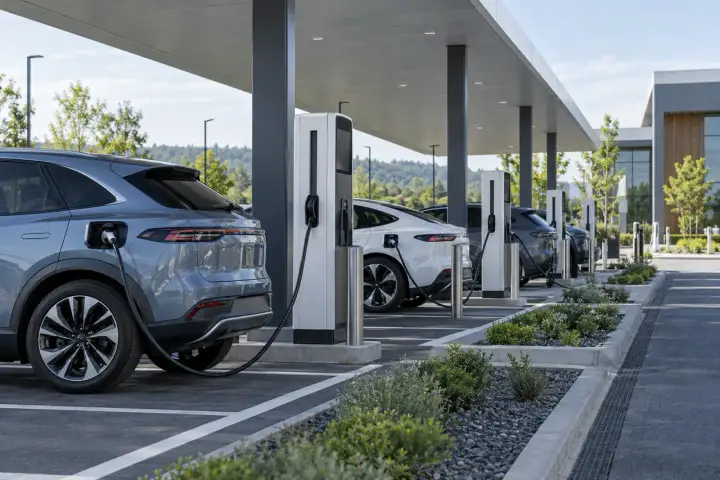
Modern electric-vehicle charging forecourt with charging pedestals
Electric-vehicle charging environment

Observe local temperatures around charging equipment and control cabinets. An equipment-approved measuring point provides thermal information for the operator’s installation checks and maintenance review.
Temperature to measure
Approved enclosure-surface or control-cabinet air temperature
Measurement point
Approved accessible enclosure surface or representative air position in a suitable control cabinet.
Plan your installation
Equipment approval, electrical isolation and clearances, attachment, outdoor exposure, cable routing and response requirements.
Discuss this application

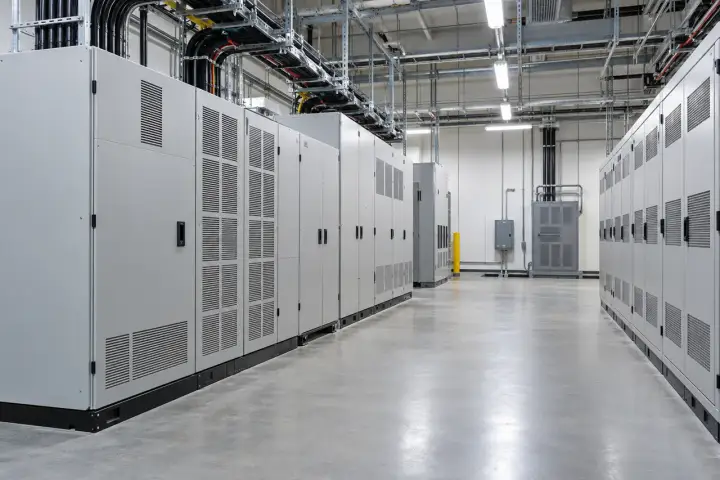
Electrical cabinets & equipment rooms

Cabinet or electrical-room air temperature
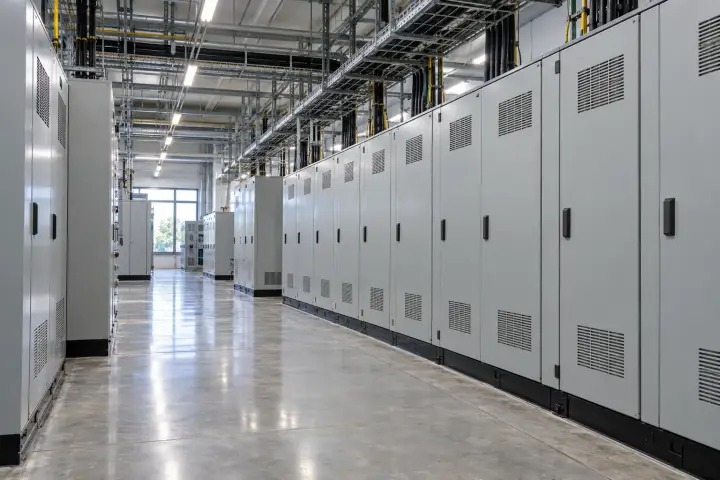
Industrial electrical equipment room with rows of enclosed cabinets
Electrical equipment-room environment

Follow temperature in suitable outdoor distribution cabinets and indoor electrical rooms. Consistent air or approved enclosure-surface points help the team review ventilation and changes across operating loads.
Temperature to measure
Cabinet or electrical-room air temperature
Measurement point
Cabinet air, electrical-room air or an equipment-approved accessible external enclosure point.
Plan your installation
Location, electrical separation and clearances, approved access, mounting, cable routing and radio coverage with the responsible electrical team.
Discuss this application
03Remote infrastructure & water5 monitoring tasks
Remote outdoor communications site with closed cabinets and accessible service paths
Outdoor communications infrastructure

Define the road surface, cabinet air, pipe wall or water point before choosing the probe. Match outdoor exposure, access and local network coverage to the monitoring plan.

Telecom sites & outdoor cabinets

Cabinet, shelter or equipment-surrounding air temperature
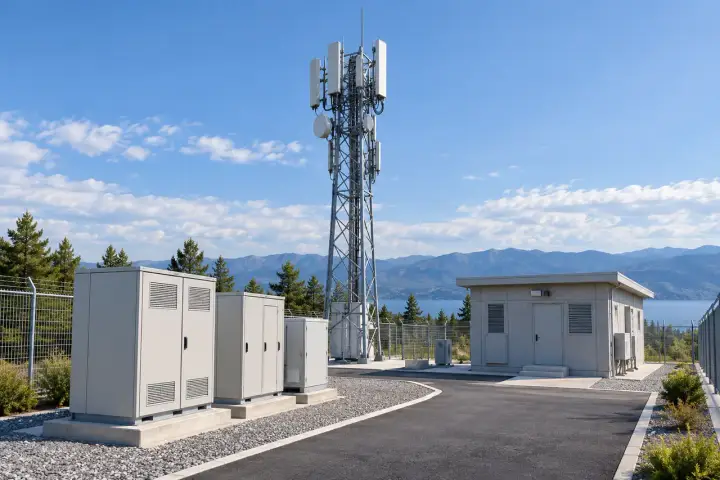
Telecommunications tower beside outdoor equipment cabinets and a site building
Outdoor telecommunications environment

Bring local air-temperature readings from dispersed base stations, shelters and outdoor cabinets into remote monitoring. Review the thermal conditions around communications equipment and cooling operation.

Temperature to measure
Cabinet, shelter or equipment-surrounding air temperature
Measurement point
Representative cabinet or shelter air, with the point chosen around the intended equipment environment.
Plan your installation
Cabinet layout, airflow, power and radio interference, approved mounting, reporting and local network coverage.
Discuss this application

Roads & bridge decks

Specified road-surface, deck-surface or air temperature
Road bridge deck and infrastructure in cold-weather conditions
Road and bridge-deck environment

Record temperature at defined road, bridge and surrounding-air positions. The readings provide local thermal context for winter patrols and maintenance decisions, alongside the authority’s weather and surface-condition information.
Temperature to measure
Specified road-surface, deck-surface or air temperature
Measurement point
Engineered pavement or bridge-surface measuring point, or a separately shielded air position.
Plan your installation
Surface-probe construction, installation approval, depth or contact, traffic exposure, site power and reporting needs.
Discuss this application

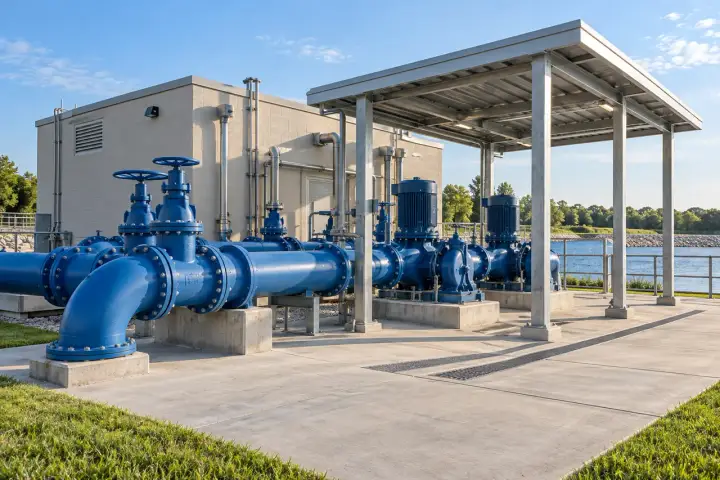
Outdoor pipelines & heat tracing

Pipe-wall or specified local process temperature
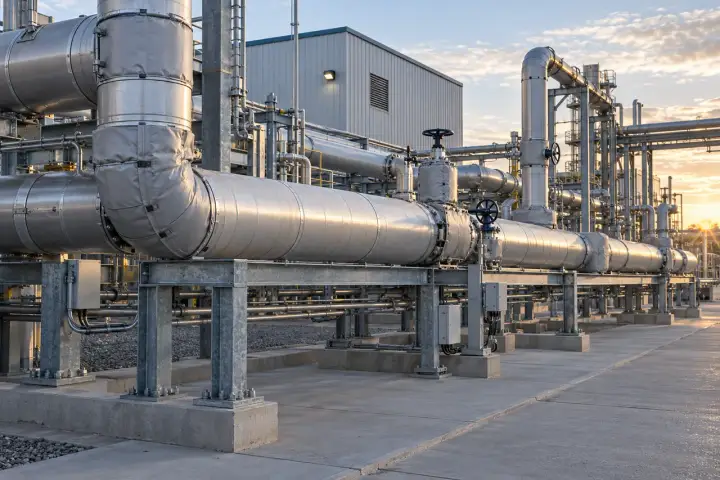
Outdoor process pipelines with insulation and industrial pipe supports
Outdoor industrial pipeline environment

Follow local temperature along selected outdoor pipes, valves and heat-traced sections. Temperature trends help the operations team review cold-weather conditions and the performance of the existing heating arrangement.
Temperature to measure
Pipe-wall or specified local process temperature
Measurement point
Defined pipe-wall contact, selected valve enclosure or compatible process measuring point.
Plan your installation
Surface or medium objective, insulation, peak temperature, probe contact, weather exposure and any site approval requirements.
Discuss this application

Outdoor pumps & water facilities

Equipment surface, water or cabinet-air temperature
Outdoor water pumping facility with industrial pipes and plant structures
Outdoor water-pumping environment

Monitor selected thermal points around outdoor pumping and water-handling installations. Review local water, equipment and enclosure conditions as part of the site’s operating and cold-weather procedures.
Temperature to measure
Equipment surface, water or cabinet-air temperature
Measurement point
Accessible pump housing, compatible water measuring point or approved control-cabinet air position.
Plan your installation
Measurement quantity, medium, pressure, materials, installation protection, access and network coverage.
Discuss this application

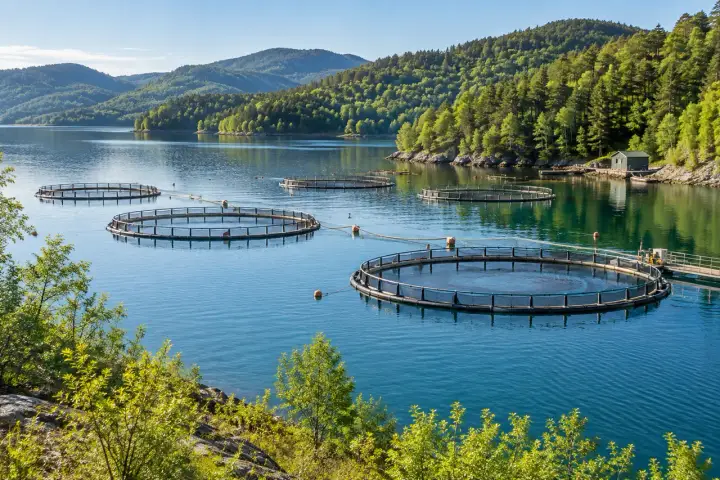
Rivers, reservoirs & aquaculture

Water temperature at a defined location and depth
Reservoir water and aquaculture operations with floating fish-farming pens
Reservoir and aquaculture environment

Record water temperature at specified depths in selected rivers, reservoirs and aquaculture sites. Consistent positions allow the team to review seasonal changes and the thermal conditions relevant to the water body or stock.
Temperature to measure
Water temperature at a defined location and depth
Measurement point
Water-compatible immersion assembly at a defined location and depth, with secured cable routing.
Plan your installation
Depth, water chemistry, flow, fouling, cable and connector sealing, access and transmitter position.
Discuss this application
04Pharma, laboratories & cold chain5 monitoring tasks
Commercial cold room with organised storage racks and refrigerated goods
Temperature-controlled storage environment

Plan monitoring for temperature-sensitive medicines, medical supplies, laboratory samples and reagents, alongside refrigerated storage and transport. Choose representative points around the material’s storage instructions and operating procedure, with connectivity and reporting matched to the location.

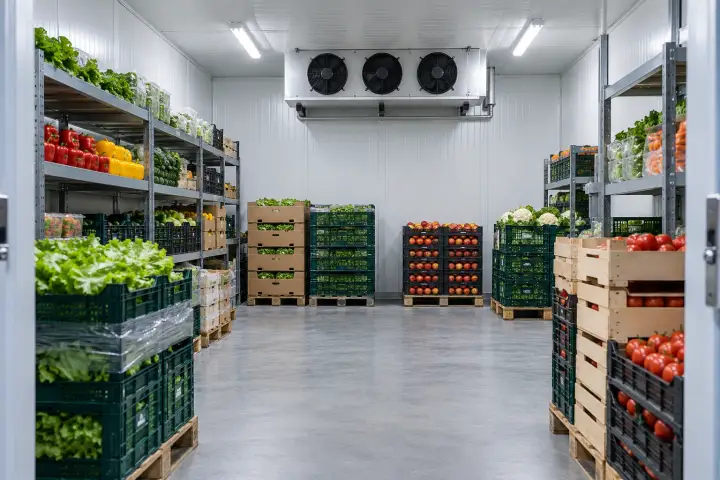
Cold rooms & freezer storage

Storage-air or product-representative temperature
Temperature-controlled cold room with storage racks and refrigeration equipment
Temperature-controlled storage environment

Monitor selected storage positions to review temperature stability and configured excursions. Use temperature mapping to choose representative locations, including areas influenced by loading, doors and cooling distribution.
Temperature to measure
Storage-air or product-representative temperature
Measurement point
Representative storage zones, mapped warm and cold locations, selected refrigerator or freezer positions.
Plan your installation
Storage temperature band, mapped positions, door activity, probe arrangement and alert response.
Discuss this application

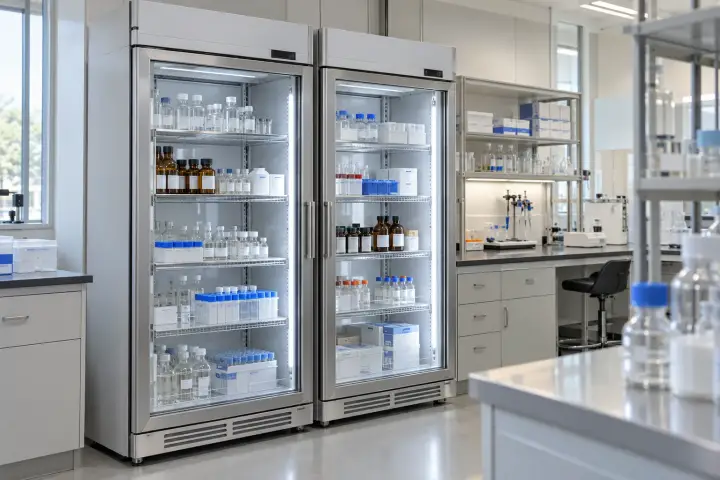
IoT Pharmaceutical & Laboratory

Specified storage, sample-environment or laboratory-air temperature
Laboratory work area with refrigerators and sample-storage equipment
Laboratory and pharmaceutical-storage environment

Monitor temperature-sensitive medicines and medical supplies in designated cold rooms, refrigerators and storage areas, together with laboratory samples, reagents and room environments. Select representative sensing points, the product form and measurement performance around the material’s storage instructions and the laboratory’s operating procedure.

Temperature to measure
Specified storage, sample-environment or laboratory-air temperature
Measurement point
Pharmaceutical cold storage; temperature-sensitive medical-supply storage; sample and reagent refrigerators or freezers; representative laboratory-air positions.
Plan your installation
Material and storage instructions, normal and peak temperatures, placement, product form, required accuracy and response, reporting and alerts, platform needs and any calibration-document requirements.
Discuss this application

Refrigerated vehicles & deliveries

Compartment-air or shipment-representative temperature
Refrigerated delivery truck at a loading dock
Refrigerated delivery environment

Follow selected shipment or vehicle temperature points during monitored routes. Specify whether you need compartment air, packaging or a product-representative measurement, and plan connectivity and records around the journey.
Temperature to measure
Compartment-air or shipment-representative temperature
Measurement point
Vehicle compartment, shipping container, package or agreed product-representative position.
Plan your installation
Route, transport duration, measurement objective, coverage, reporting needs and required records.
Discuss this application

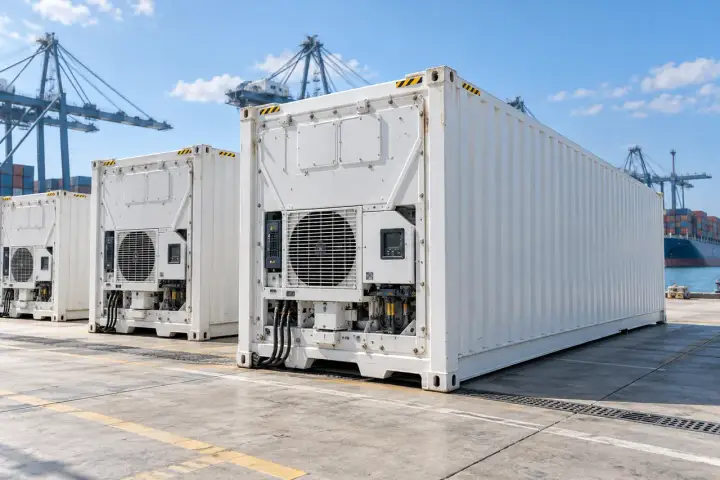
Reefer containers at ports & depots

Container-air, cargo-representative or equipment-surrounding temperature
Refrigerated shipping containers with visible cooling units at a port depot
Refrigerated container-depot environment

Follow selected temperature points in refrigerated containers at ports, depots and connected transport locations. Define the required cargo or air reading and match the reporting plan to available network coverage.

Temperature to measure
Container-air, cargo-representative or equipment-surrounding temperature
Measurement point
Selected container-air or cargo-representative position, or a separately specified external refrigeration point.
Plan your installation
Storage instructions, route and dwell time, network coverage, probe arrangement, reporting and required records.
Discuss this application

Temperature-sensitive warehousing

Representative storage-zone temperature
Warehouse aisle with shelving and stored goods
Warehouse storage environment

Compare temperature across storage aisles, loading interfaces and selected product zones. Choose representative points around the goods, building layout and seasonal conditions so the team can review the storage environment over time.
Temperature to measure
Representative storage-zone temperature
Measurement point
Defined storage zones, loading interfaces and selected temperature-sensitive stock positions.
Plan your installation
Goods and storage requirements, layout, placement, operating hours and reporting needs.
Discuss this application
05Factory equipment & maintenance4 monitoring tasks
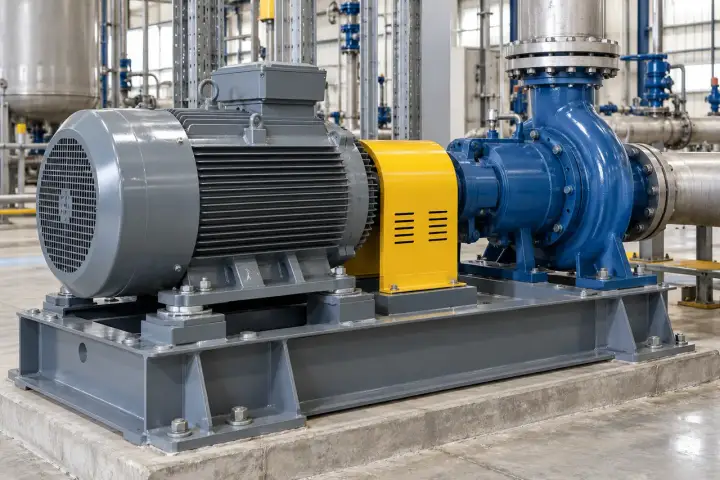
Industrial electric motor and pump with stationary housings and an intact coupling guard
Industrial motor and pump environment

Keep a consistent point on the stationary housing or choose a compatible oil measuring installation. Relate thermal trends to duty, load and the team’s inspection records.

Motors & bearing housings

Housing surface temperature
Industrial electric motor and pump assembly with accessible bearing housings
Industrial motor and pump environment

Track stationary casing and bearing-housing temperatures on motors, pumps and fans. Compare trends at similar loads and operating conditions to help maintenance teams prioritise equipment inspections.
Temperature to measure
Housing surface temperature
Measurement point
Accessible motor casing, stationary bearing housing or pump and fan support housing.
Plan your installation
Equipment duty, normal surface temperature, contact mounting, vibration, cable protection and inspection thresholds.
Discuss this application

Gearboxes & lubrication oil

Housing surface or oil temperature
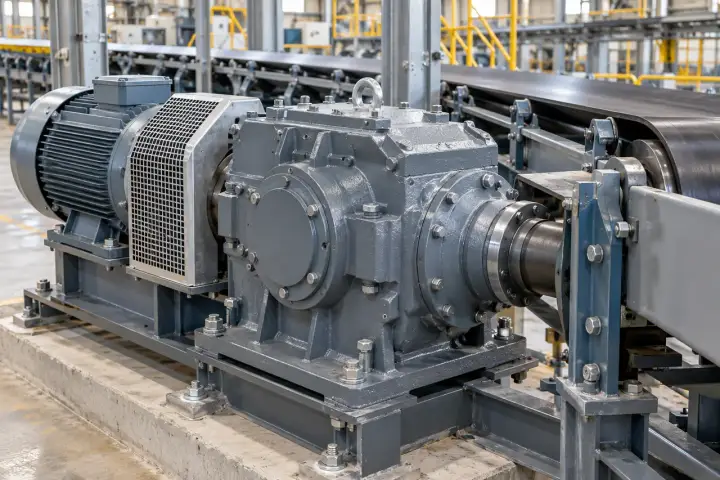
Industrial gearbox and drive assembly in a factory environment
Industrial gearbox and drive environment

Monitor selected gearbox-housing or lubrication-oil temperatures during start-up and normal duty. Give maintenance teams a consistent thermal record to review cooling and lubrication operating conditions.
Temperature to measure
Housing surface or oil temperature
Measurement point
Stationary gearbox housing, compatible oil measuring port or selected lubrication supply and return points.
Plan your installation
Surface or oil measurement, oil type, pressure, sealed connection, working range and operating duty.
Discuss this application

Hydraulic power units

Hydraulic oil or surface temperature
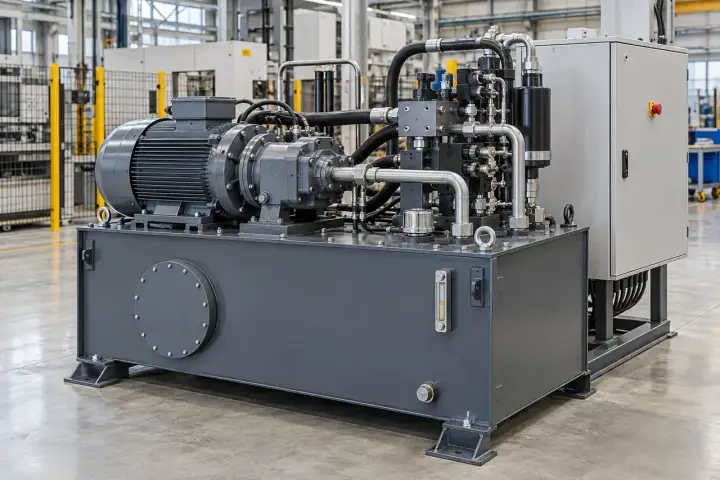
Hydraulic power unit with reservoir, pumps and pipe connections
Hydraulic power-unit environment

Follow oil temperature at the reservoir or a compatible return-line measuring point on presses, machine tools and production equipment. Review warm-up and cycle trends alongside the operation of the oil-cooling circuit.
Temperature to measure
Hydraulic oil or surface temperature
Measurement point
Reservoir measuring port, oil return line or cooler inlet and outlet, with separate points where needed.
Plan your installation
Oil and seal compatibility, pressure, insertion depth or surface contact, machine cycle and reporting needs.
Discuss this application

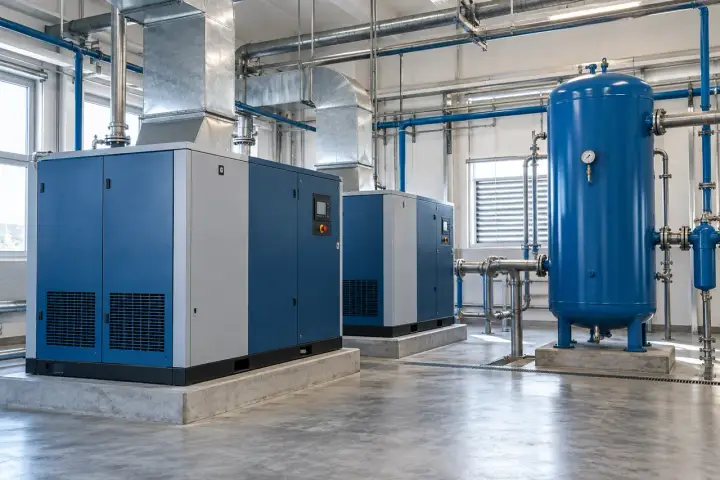
Industrial air compressors

Equipment surface, oil or room-air temperature
Industrial compressor room with air compressors and pressure vessels
Industrial compressor-room environment

Record selected compressor, cooler or room-air temperatures through the working day. Equipment and ambient readings help the team review ventilation, cooling conditions and changes in operating duty.
Temperature to measure
Equipment surface, oil or room-air temperature
Measurement point
Accessible compressor or cooler surface, compatible lubricant measuring point or representative compressor-room air.
Plan your installation
Required temperature quantity, equipment load, probe contact or oil connection, ventilation and wireless coverage.
Discuss this application
06Manufacturing & thermal processes5 monitoring tasks
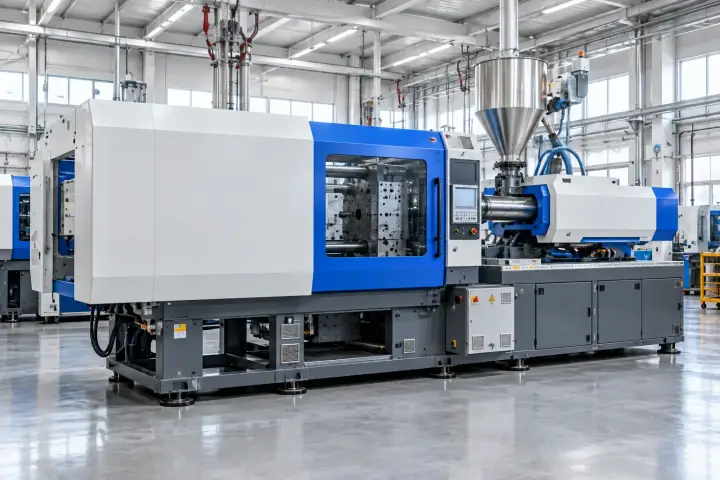
Injection moulding machine in an orderly manufacturing area
Injection-moulding production environment

Match the probe, response and connection to the selected production point. Keep transmitter electronics within their own operating conditions and specify separate points for thermal comparisons.

Injection moulds & cooling circuits

Mould surface or coolant temperature
Injection-moulding production machine and surrounding manufacturing area
Injection-moulding production environment

Follow temperature at selected mould surfaces or cooling-water supply and return points. Separate readings at both ends allow the team to compare the thermal difference across production runs and review cooling consistency alongside cycle and flow data.
Temperature to measure
Mould surface or coolant temperature
Measurement point
Accessible mould surface or separately configured cooling-water supply and return points.
Plan your installation
Number of points, water or glycol, pressure, fittings, response time and production-cycle requirements.
Discuss this application

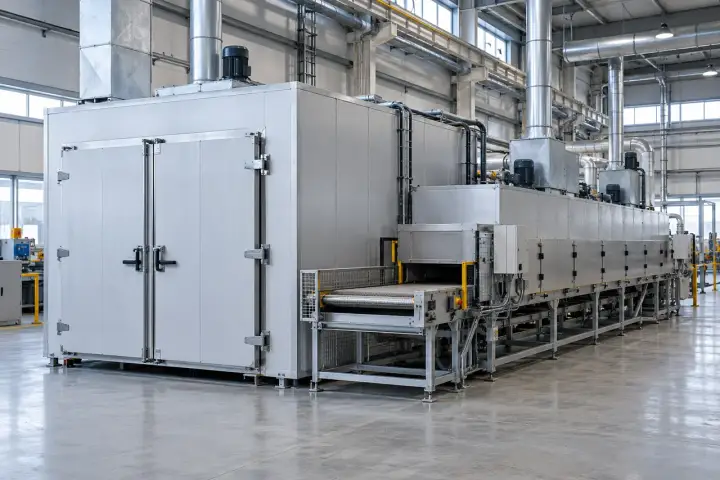
Industrial ovens, drying & curing

Selected chamber-air or surface temperature
Enclosed industrial oven and thermal-processing equipment
Industrial oven and thermal-processing environment

Observe specified temperatures around drying ovens, coating lines and curing equipment. Compare readings across batches and shifts to review the selected thermal conditions in each production stage.
Temperature to measure
Selected chamber-air or surface temperature
Measurement point
Specified oven air zone, accessible equipment surface or a compatible process measuring point.
Plan your installation
Normal and peak temperature, zone location, probe and cable construction, response time and transmitter position.
Discuss this application

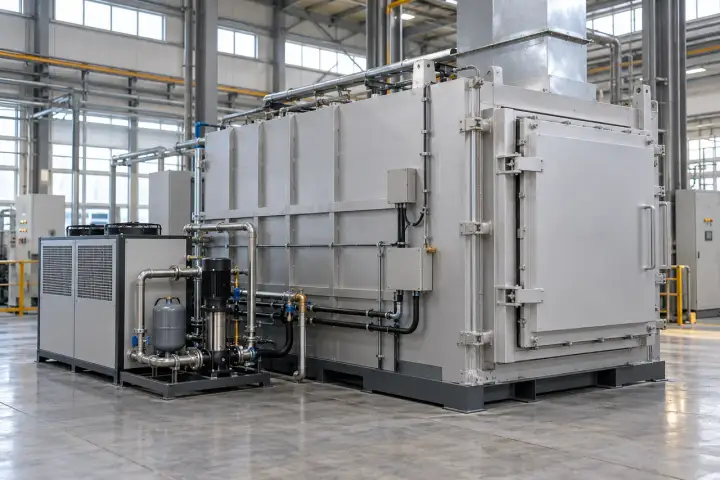
Heat-treatment support systems

Equipment surface or auxiliary-circuit temperature
Industrial heat-treatment support equipment and furnace structures
Heat-treatment equipment environment

Bring selected furnace-exterior and auxiliary cooling temperatures into remote monitoring. A probe matched to the actual point gives the production team a thermal record for reviewing support-system conditions around each operating cycle.
Temperature to measure
Equipment surface or auxiliary-circuit temperature
Measurement point
Accessible furnace exterior, tooling surface or compatible cooling and auxiliary-water measuring point.
Plan your installation
Actual point and exposure, normal and peak temperature, surface mounting or water connection, cable route and electronics ambient conditions.
Discuss this application

Food processing

Selected process-medium, air or surface temperature
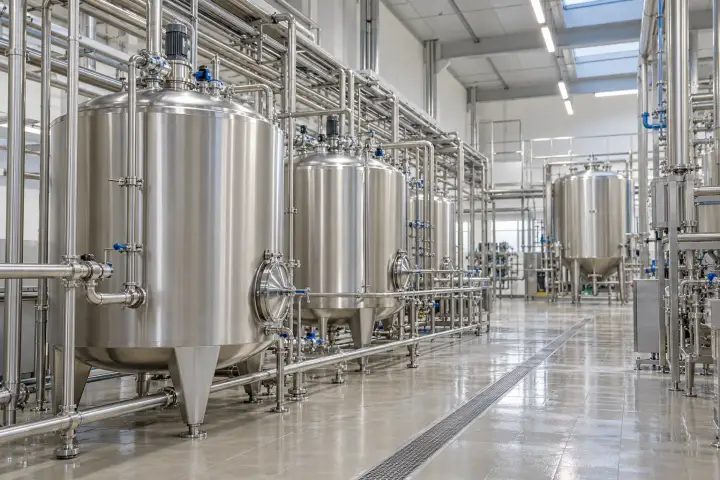
Stainless-steel food-processing line with tanks and process pipework
Food-processing environment

Monitor selected chilled, heated or process temperature points as part of your food-safety plan. Match the sensing location and probe assembly to the required measurement, cleaning process and records for that operation.
Temperature to measure
Selected process-medium, air or surface temperature
Measurement point
Chilled storage, specified process medium or agreed food-processing measurement point.
Plan your installation
Process stage, target temperature, response time, cleaning method and food-contact requirements where applicable.
Discuss this application

Process tanks & reactors

Local medium or vessel-surface temperature
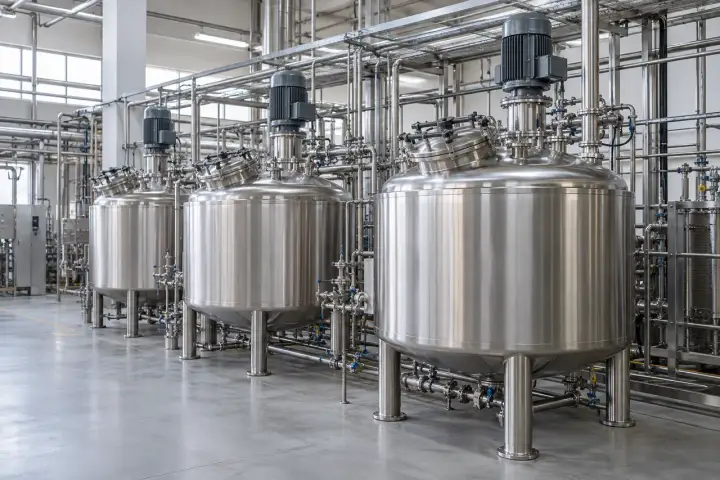
Industrial stainless-steel process tanks and connected piping
Process-tank environment

Follow selected temperatures during mixing, heating, cooling and holding stages. Define the local reading the operator needs, then select an immersion point or surface installation to match the vessel and process.
Temperature to measure
Local medium or vessel-surface temperature
Measurement point
Compatible existing thermowell, specified immersion depth or accessible vessel surface.
Plan your installation
Medium, pressure, wetted materials, process connection, required points, working temperature and installation requirements.
Discuss this application
07Plant utilities & process circuits4 monitoring tasks
Industrial heat exchanger with insulated process pipework and orderly valves
Heat-exchanger and process-pipe environment

Identify the surface or medium temperature, process connection and required points. Supply and return comparisons need separately configured readings and suitable timing.

Process pipelines & heat exchangers

Pipe surface or process-medium temperature
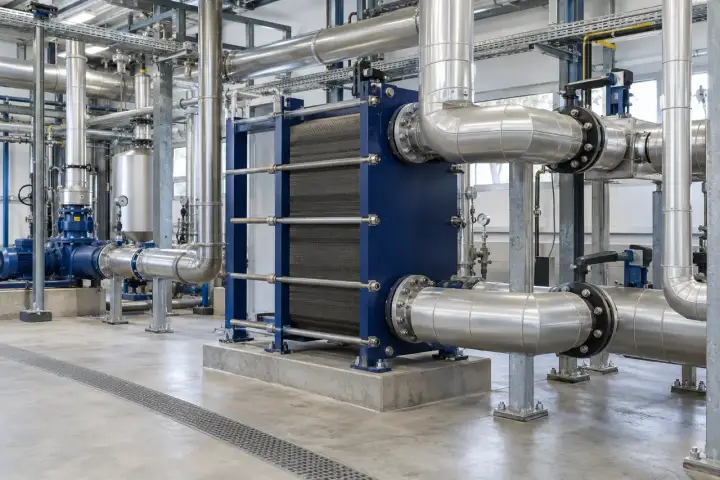
Industrial heat exchanger and interconnected process pipelines
Heat-exchanger and process-pipeline environment

Monitor specified pipeline and heat-exchanger points during material transfer and heating or cooling. Separate inlet and outlet readings can provide a thermal comparison when the probe arrangement and timing are matched.
Temperature to measure
Pipe surface or process-medium temperature
Measurement point
Compatible inlet and outlet temperature ports or consistent pipe-wall contact positions.
Plan your installation
Surface or medium measurement, insulation, fluid, pressure, connections, number of points and required accuracy.
Discuss this application

Industrial chillers & cooling water

Cooling-water supply and return temperature
Industrial chiller plant with cooling-water pipework
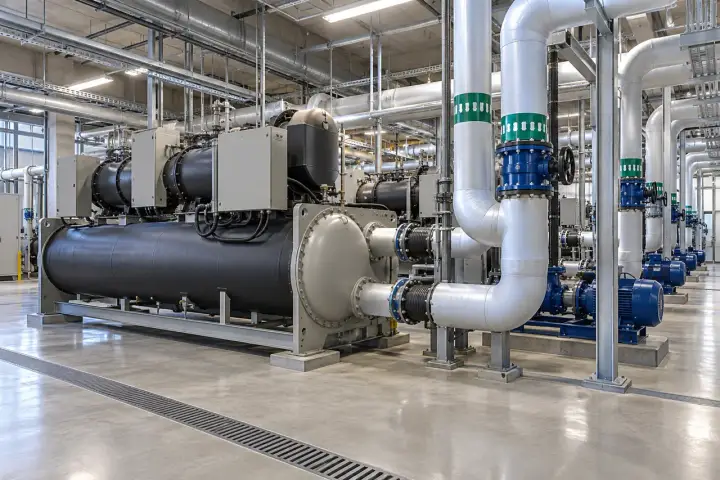
Industrial chiller-plant environment

Follow cooling-water temperatures serving machines, moulds and factory cooling loops. Matched supply and return measurements help the team review how thermal conditions change with production demand.
Temperature to measure
Cooling-water supply and return temperature
Measurement point
Separately configured supply and return points, selected buffer tank or cooling-loop measuring position.
Plan your installation
Water or glycol, pressure, connections, sensor count, accuracy, sampling alignment and cooling-duty range.
Discuss this application

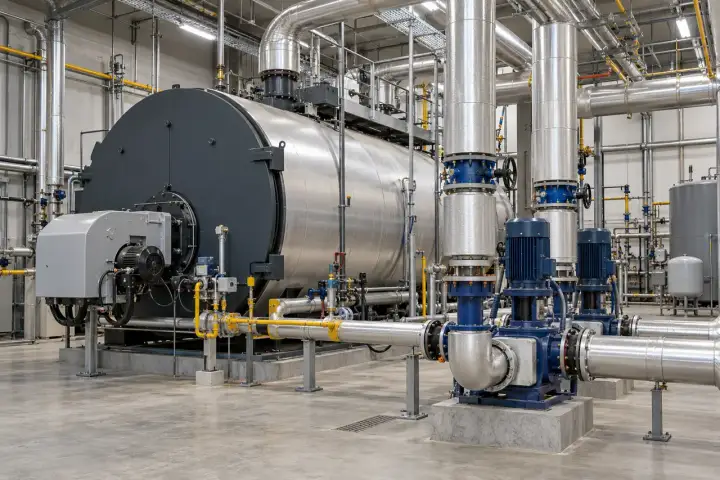
Steam & hot-water utilities

Selected water, condensate or pipe-surface temperature
Industrial boiler and steam or hot-water utility pipes
Boiler and thermal-utility environment

Record thermal conditions at selected hot-water loops and steam-system auxiliary points. Supply and return readings help utility teams review changes in production demand and plan follow-up checks.
Temperature to measure
Selected water, condensate or pipe-surface temperature
Measurement point
Hot-water supply and return, heat-exchanger secondary loop or a compatible condensate and feedwater measuring point.
Plan your installation
Medium and pressure, rated fittings, peak temperature, probe position, transmitter ambient conditions and reporting requirements.
Discuss this application

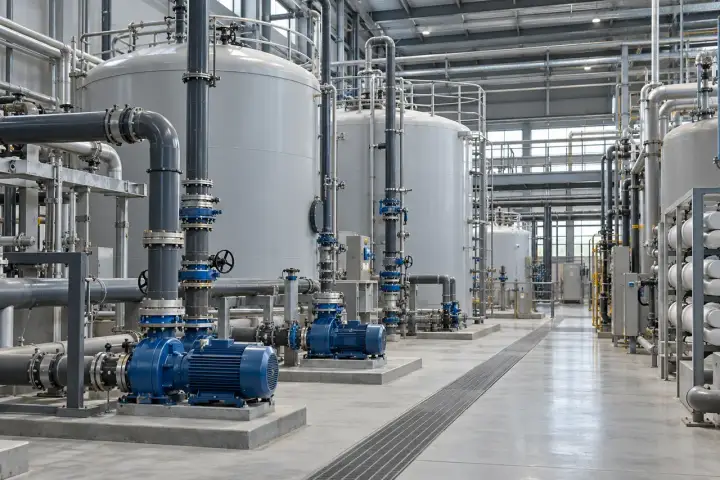
Industrial water & wastewater

Selected process-water temperature
Industrial water-treatment equipment with tanks and pipework
Industrial water-treatment environment

Monitor liquid temperature at defined treatment, holding or circulation stages. For temperature-sensitive biological treatment, local trends help the process team review the selected operating conditions and changes between shifts.

Temperature to measure
Selected process-water temperature
Measurement point
Compatible process-water tank, treatment-stage measuring port or selected circulation-water position.
Plan your installation
Treatment stage, liquid composition, wetted materials, fouling and cleaning, immersion depth, access and working range.
Discuss this application
08Buildings, construction & heritage6 monitoring tasks
Modern data center with symmetrical server racks and a clean central cooling aisle
Data center environment

Choose positions around the room, construction or conservation objective. Representative exposure, approved mounting and the intended observation period make the local reading useful.

Data centers & server rooms

Server-rack inlet or room-air temperature
Premium data-center aisle with server racks and overhead infrastructure
Data-center environment

Monitor selected rack air inlets and room zones to review the conditions delivered to IT equipment. Compare positions across the installation and agree the temperature limits with your equipment and facilities requirements.
Temperature to measure
Server-rack inlet or room-air temperature
Measurement point
Selected rack air inlets, cold-aisle positions and room zones.
Plan your installation
Rack layout, equipment limits, placement, required reporting and monitoring-platform integration.
Discuss this application

Occupied buildings & HVAC

Occupied-room or specified HVAC temperature
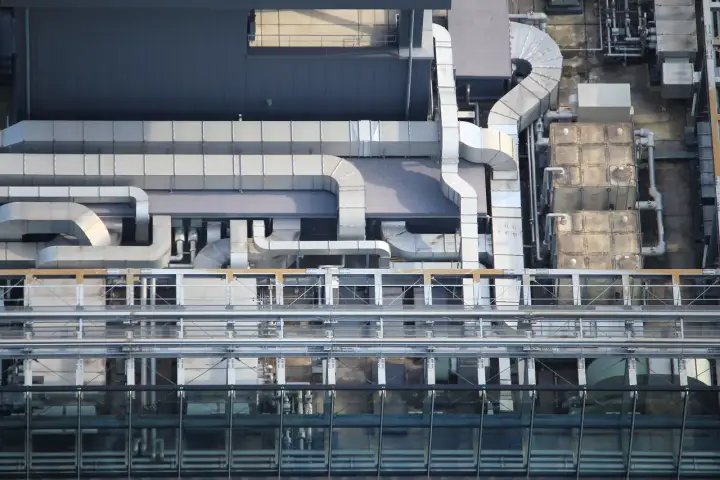
Galvanized ventilation ducts and mechanical equipment on an office-building rooftop
Commercial-building HVAC ductwork and rooftop mechanical equipment Photo: Marek Ślusarczyk · CC BY 3.0 · Resized, cropped and converted to WebP

Measure selected room, supply-air or return-air temperatures to review comfort conditions and heating or cooling operation. Position probes around the measurement objective, avoiding locations dominated by an unrelated local heat source.
Temperature to measure
Occupied-room or specified HVAC temperature
Measurement point
Representative occupied zone, specified air duct or accessible heating/cooling point.
Plan your installation
Air or surface measurement, room or duct layout, control objective, mounting and platform requirements.
Discuss this application

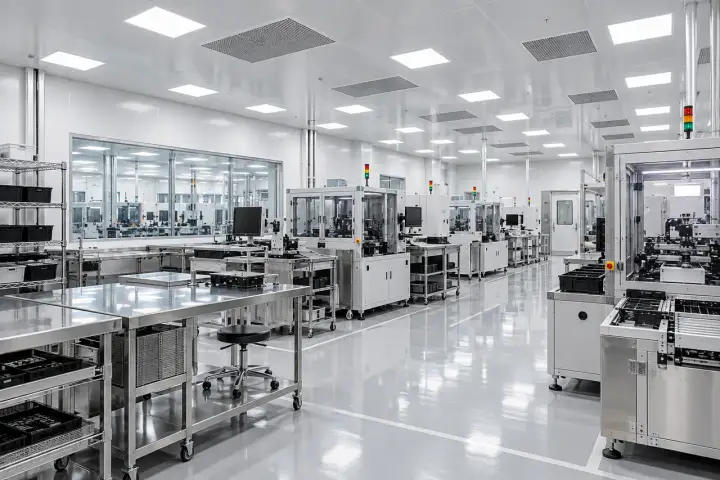
Cleanrooms & controlled production

Representative production-room air temperature
Clean controlled-production room with manufacturing equipment
Controlled-production environment

Compare temperature across selected cleanroom and controlled-production zones. Representative readings help teams review conditions around temperature-sensitive materials, equipment and production shifts.

Temperature to measure
Representative production-room air temperature
Measurement point
Agreed room-air locations, specified work zones or equipment surroundings identified in the monitoring plan.
Plan your installation
Working range and tolerance, placement, cleaning requirements, calibration and records, plus any separate humidity or pressure needs.
Discuss this application

Concrete curing & construction

Specified concrete-internal and ambient temperature
Building construction site with recently cast structural concrete
Concrete-construction environment

Track temperature at defined concrete and surrounding-air positions during placement and curing. The temperature history gives the engineering team information to review against the project’s curing plan.
Temperature to measure
Specified concrete-internal and ambient temperature
Measurement point
Construction-approved embedded probe positions and separately specified ambient points.
Plan your installation
Probe and cable suitability, placement depth, point count, installation timing, working range and recording interval.
Discuss this application

Museums, archives & collections

Collection-space air temperature
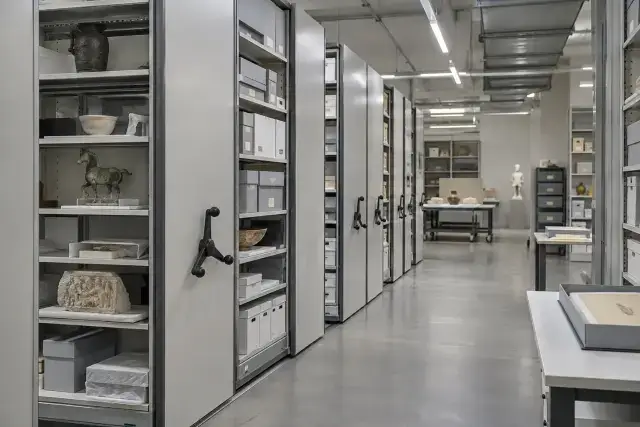
Museum collection-storage room with shelves and conservation objects
Museum collection-storage environment

Review temperature trends in selected storage rooms, galleries or display environments against the needs of the collection. For projects concerned with humidity as well, specify a separate or combined humidity-monitoring configuration.

Temperature to measure
Collection-space air temperature
Measurement point
Collection-storage zone, display environment or agreed gallery location.
Plan your installation
Collection requirements, temperature and humidity objectives, placement, operating events and required records.
Discuss this application

Historic structures & outdoor heritage

Local surrounding-air or specified structural-surface temperature
Weathered stone walls and arches at Rievaulx Abbey, England
Historic stone masonry exposed to outdoor weather — Rievaulx Abbey, England Photo: Michael D Beckwith · CC0 · Resized, cropped and converted to WebP

Observe temperature around historic structures and selected outdoor collection environments. Relate local trends to exposure and the conservation team’s environmental observation plan.

Temperature to measure
Local surrounding-air or specified structural-surface temperature
Measurement point
Shielded surrounding-air position or a conservation-approved accessible surface location.
Plan your installation
Conservation-approved reversible mounting, sunlight exposure, site access, monitoring period and any separate humidity requirements.
Discuss this application

SERIES & CONFIGURATIONS

The right design.
The right configuration.

H200, H300 and H500 are the model families listed in the current published datasheet. Product form and sensing arrangement can be customized for the project. Select the configuration by measurement performance, working conditions, mounting and connectivity; specify probe and cable details where an external-probe design is used.

H Series wireless temperature sensors — published family reference
Published modelsH200 / H300 / H500
Family measurement range−200°C to +800°C, by selected probe and configuration
Published accuracy options±0.5°C; ±0.1°C customization available for an agreed working range and configuration
Probe connectionThree-wire listed in the family datasheet; confirm the supplied probe and input configuration
Wireless variants4G / NB-IoT / LoRa, by selected model and regional configuration
Data protocolMQTT listed; confirm the integration path for the selected variant
Transmitter enclosureIP68 rated
Local configurationNFC activation and local setup, by supplied configuration
Battery-life designOver 10 years at one-hour reporting under specified test conditions; varies with supplied configuration and operating profile
Mounting optionsMounting lugs / pole clamp / slotted mount, by configuration
Published LTE bandsLTE-TDD B34/B38/B39/B40/B41; LTE-FDD B1/B3/B5/B8. Confirm supported bands for the deployment country and selected modem.

Bring the specification back to your project.

01

Define the temperature

Air, surface or immersion · Working and peak range · Required accuracy and response

02

Define the installation

Product form and dimensions · Mounting and enclosure · Sensing position · Probe, cable and connection where applicable

03

Define the data path

4G, NB-IoT or LoRa variant · Sampling and reporting · Platform and alerts

CONNECTIVITY & INTEGRATION

Your site.
Your data destination.

Connect to Hitelecom Cloud or a compatible customer platform. MQTT is listed in the published specification; confirm message format, authentication and the gateway or server path for the selected wireless variant.

4G / NB-IoT

For distributed locations

Temperature pointMobile networkYour platform

Select the modem and regional bands around operator availability and coverage at the transmitter position. Agree the reporting profile, power arrangement and notification workflow.

  • Installation country and operator
  • Signal at the actual mounting position
  • Sampling, reporting and required alert response
LoRa

For points across one site

Temperature pointsReceiver / gatewayYour platform

Match the supplied radio protocol, regional settings and receiver or gateway. Specify any LoRaWAN requirement with the model and complete onward connection.

  • Device protocol and gateway compatibility
  • Site layout and radio coverage
  • Gateway power and onward data connection

Make the first reading useful.

Agree device identity, sensing point or channel, temperature units and timestamps in a sample message. Check the endpoint and supported authentication, then test the complete path to the intended platform and recipients.

Discuss platform integration ↗

ANSWERS FOR YOUR PROJECT

Frequently
asked questions.

Practical answers for choosing the product design and sensing configuration, planning the installation and connecting your temperature data.

Ask about your project ↗
Can the product form and sensing arrangement be customized?

Yes. The product form, enclosure, mounting and sensing arrangement can be customized for the application. The external-probe design shown is one available configuration. Share what you need to measure, the available space, mounting, environmental conditions and required performance so Hitelecom can review the appropriate design and configuration.

How do I choose the sensing arrangement for air, surface or liquid temperature?

Start with what you need to measure. Air monitoring needs representative placement and exposure; surface monitoring needs reliable thermal contact; immersion monitoring needs suitable insertion depth, materials and a process connection. Share the normal and peak temperatures, required response time, preferred product form and installation conditions so the sensing arrangement can be selected for the task.

What temperature range can the H Series monitor?

The published H Series family range is −200°C to +800°C through selected probe and input configurations. The selected sensing arrangement and input determine the range for a particular installation. For external-probe designs, the probe, cable and transmitter each need to suit their operating conditions. Specify both the measured temperature and the device’s surrounding temperature for your project.

How should I specify accuracy and calibration for my project?

The published accuracy is ±0.5°C, with ±0.1°C customization available. Specify the accuracy you need over your actual working range, together with the complete measurement configuration. If your procedure requires calibration, include the test temperatures, allowable tolerance, certificate and measurement-uncertainty requirements in the quotation brief.

How should I plan temperature monitoring for pharmaceutical storage and laboratories?

Start with the material’s storage instructions and the laboratory’s operating procedure. Select representative positions for medicine storage, temperature-sensitive medical supplies, samples, reagents and laboratory environments, using temperature mapping where appropriate. Specify the working range, accuracy, response, calibration documents and recording, reporting or alert requirements so the complete configuration can be reviewed.

How do sampling and reporting intervals affect battery life?

Sampling determines when temperature is measured; reporting determines when readings are transmitted. Select both around the speed of temperature change and the response you need. The published battery-life design exceeds 10 years at one-hour reporting under specified test conditions. Service life also depends on the selected configuration, temperature, network coverage and retransmissions.

Can temperature readings connect to our own platform?

The published H Series supports Hitelecom Cloud and compatible customer platforms, with MQTT listed for data integration. Specify the wireless variant, regional network and platform requirements. For a LoRa installation, confirm the radio protocol and gateway or server path for the supplied model; the device and backend integration need to be matched as one system.

What should I send for a configuration proposal and quotation?

Send the application, country, quantity, measurement point, normal and peak temperatures, required accuracy and response. Add the preferred product form, dimensions, mounting and environmental conditions, plus any probe, cable, medium, pressure or cleaning requirements. Include the wireless connection, sampling and reporting needs, platform requirements and calibration documents so Hitelecom can review a suitable configuration and quotation.

LET'S TALK ABOUT YOUR PROJECT

Your temperature point.
Our next conversation.

Tell us what you need to measure and where. We’ll help match the product form, sensing arrangement, wireless connection and installation to your project.

sales@hitelecom.cn ↗

Start with the point and the range.

A site photo, drawing or storage procedure helps us understand the measurement point. Add the required accuracy and response time when available.

PROJECT ENQUIRY

Let’s find your configuration.

H Series wireless temperature monitoring

Review your brief, then send it with your email app.

You can also email your project details directly.