


Tourism and Heritage Sites - Hitelecom IoT Solution
Home / Solutions
-
 Industry ChallengesTourism and heritage sites must protect structures and collections while managing visitor areas, environmental conditions, and dispersed facilities. Manual inspections may miss gradual movement or microclimate changes.
 -
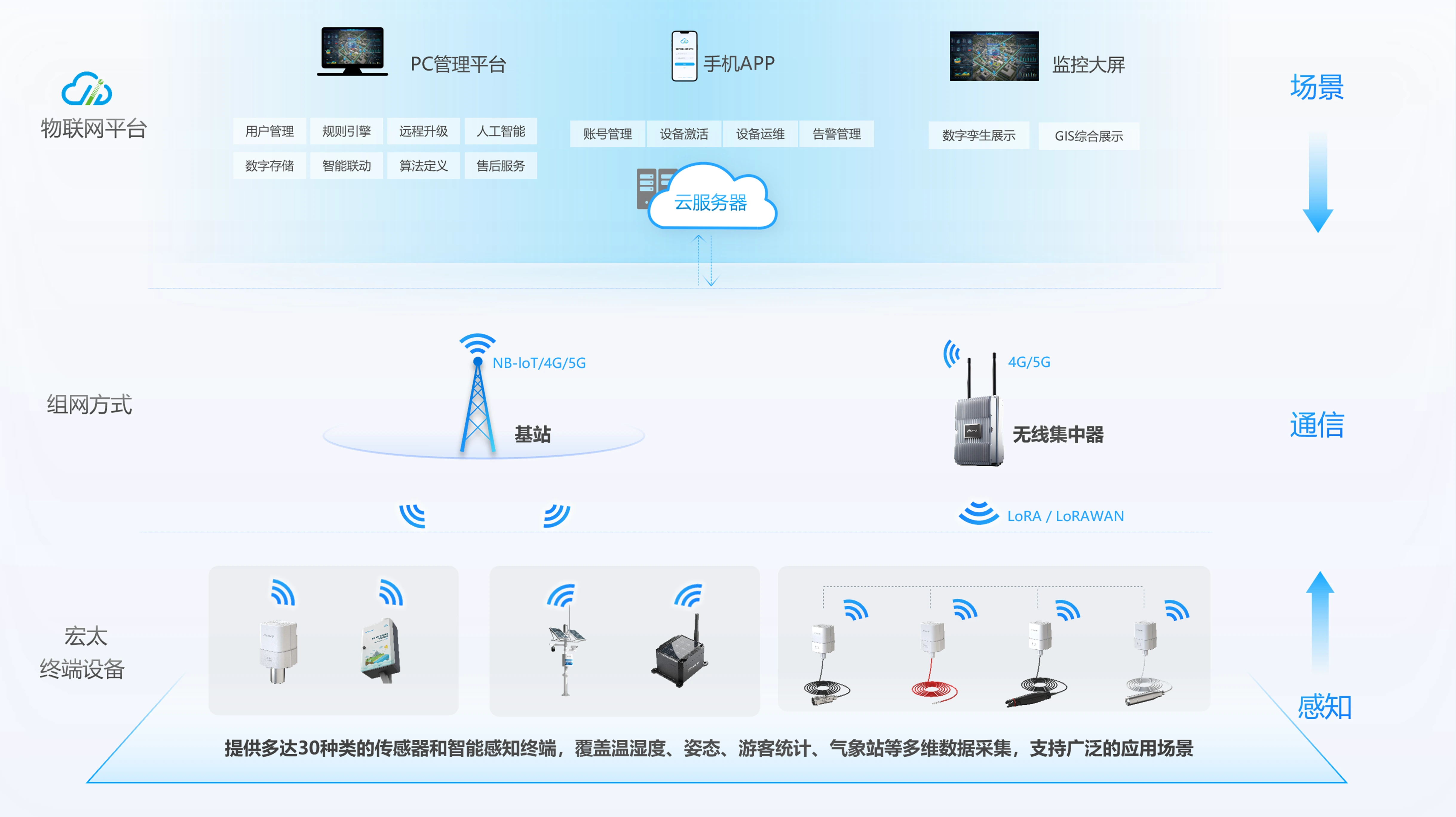
 Solution OverviewHitelecom combines tilt, vibration, temperature, humidity, distance, and other model-specific sensors with cloud monitoring. Teams can review trends and alerts for historic buildings, museums, archaeological sites, and visitor infrastructure.
Solution Architecture
Key Advantages
- 01.Low-Power DesignSelected sensor terminals use low-power processors, optimized power management, and configurable reporting intervals to extend field battery life.
- 02.Flexible ConnectivityChoose 4G LTE or NB-IoT for direct cellular uplink, or LoRa/LoRaWAN for private gateway-based networks, depending on the model and site.
- 03.NFC SetupSelected devices support NFC activation and local configuration for faster deployment and maintenance.
- 04.Outdoor-Ready OptionsSelected models are available with IP-rated enclosures for industrial and outdoor environments. Confirm the required ingress-protection rating for each configuration.
System Capabilities
-
 Fault LocalizationDiagnostics help teams locate faulty devices, reduce repair time, and view device status on maps.
 -
 Rule-Based AutomationControllers act on sensor data through configured rules, enabling automated responses across devices and sites.
 -
 Alarm NotificationConfigure and manage alerts centrally, including multi-condition triggers and escalation workflows for supported deployments.
 -
 Remote Firmware UpdatesSupports remote batch OTA firmware updates for supported devices, keeping deployments current and reducing site visits.
Related Products
-
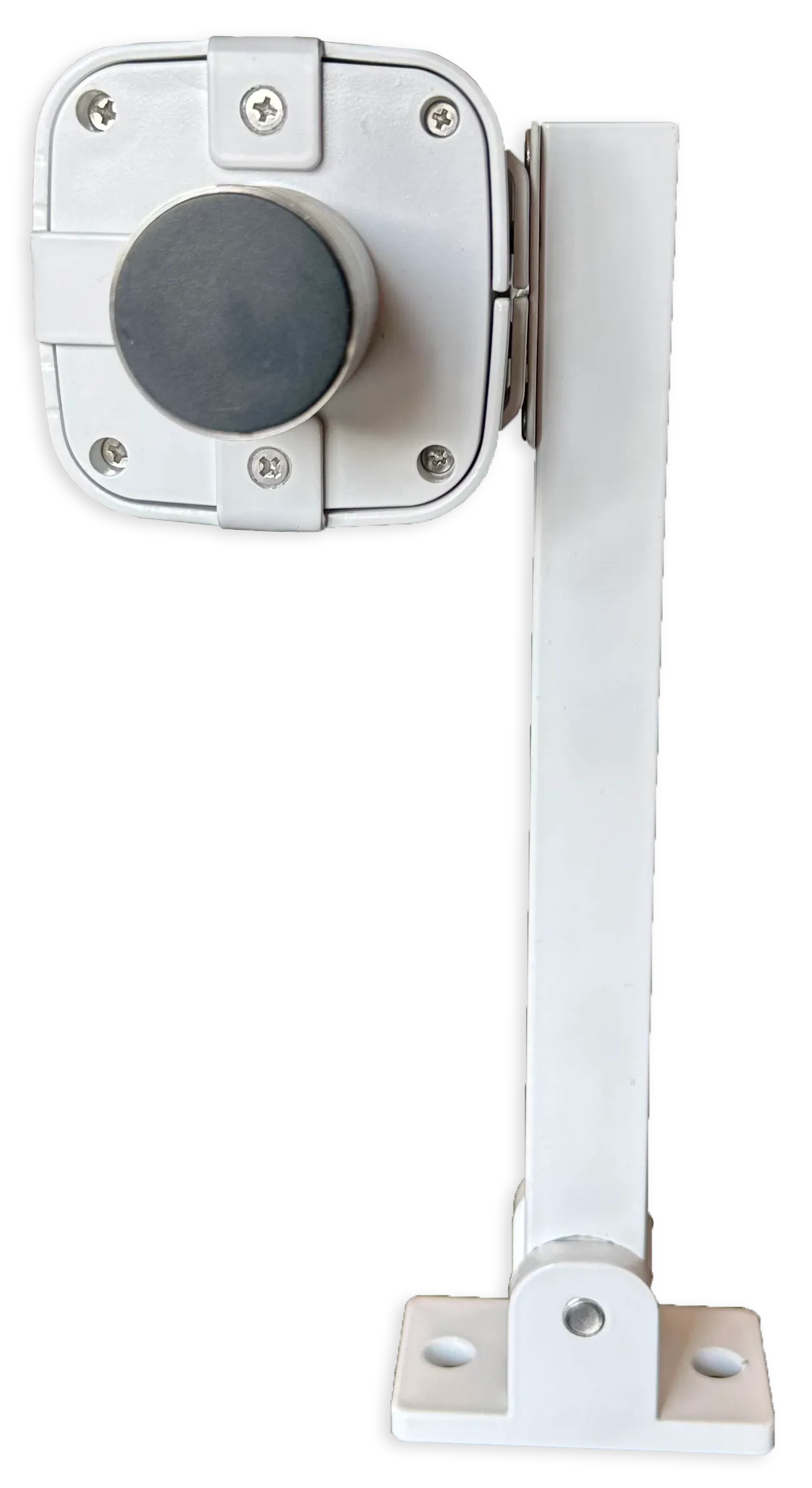 Radar Distance SensorNB-IoT | 4G LTE | LoRa
 -
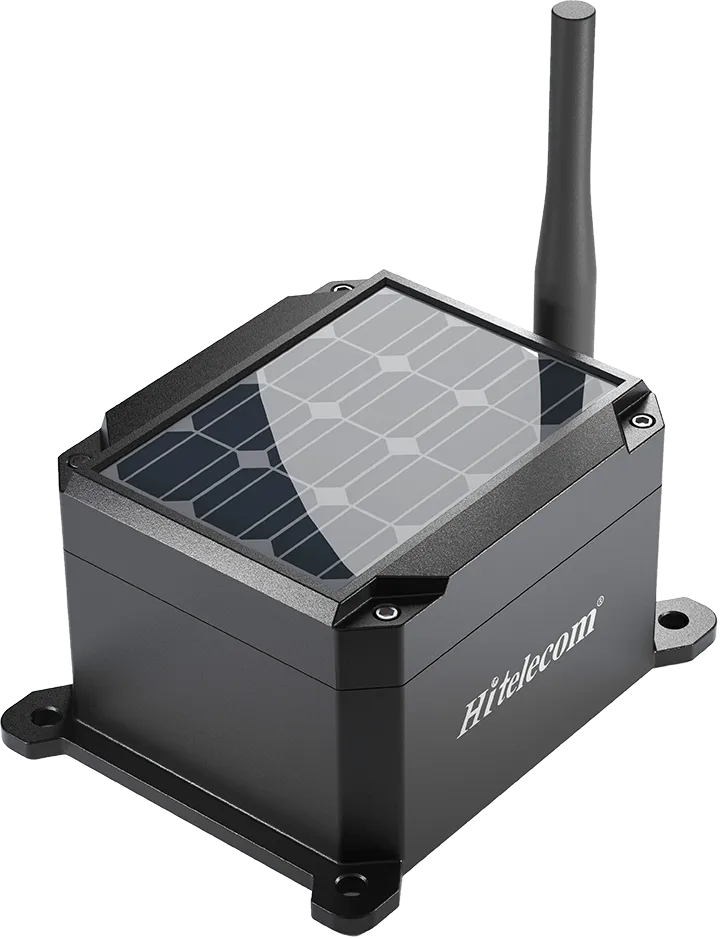 Tilt SensorNB-IoT | 4G LTE | LoRa
 -
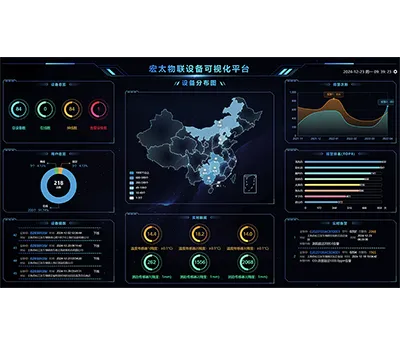 GIS DashboardCustom maps and multidimensional data visualization
 -
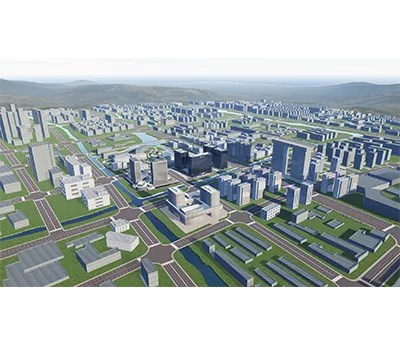 Digital TwinCustom dashboards and dynamic data visualization
 -
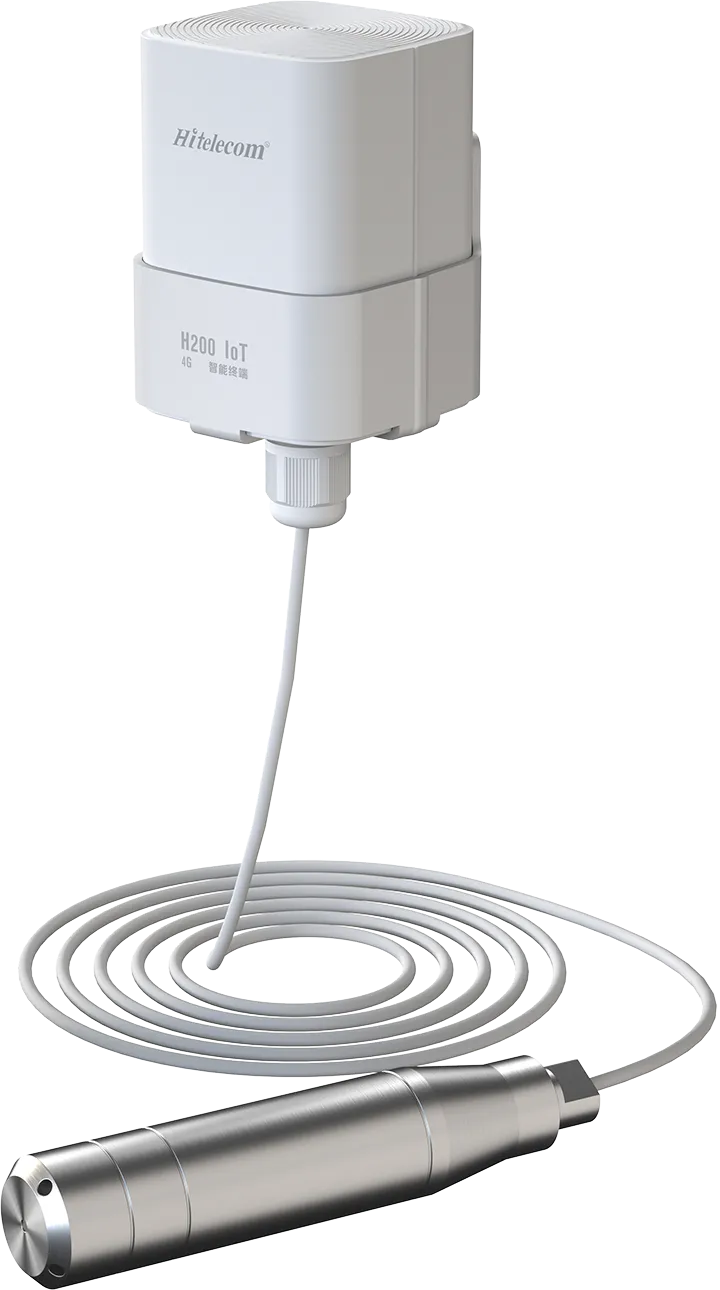 Submersible Level SensorNB-IoT | 4G LTE | LoRa
Applications
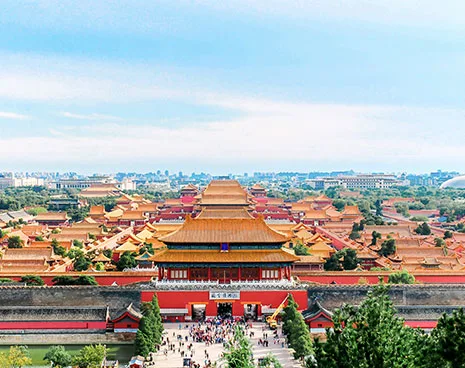
Historic Buildings
Monitor temperature, humidity, and structural tilt to support conservation.

Museums and Collections
Track temperature, humidity, and smoke to support the conservation of exhibits and collections.
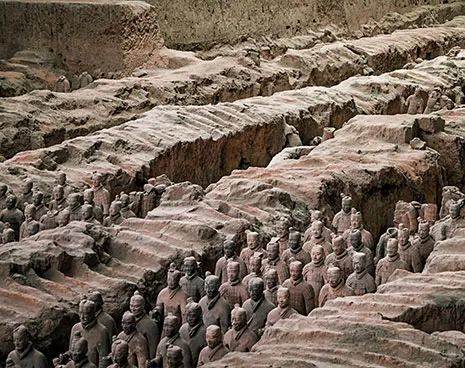
Archaeological Sites
Monitor environmental conditions and structural movement at exposed sites.

Visitor Areas
Monitor visitor flow and environmental conditions to support site operations.