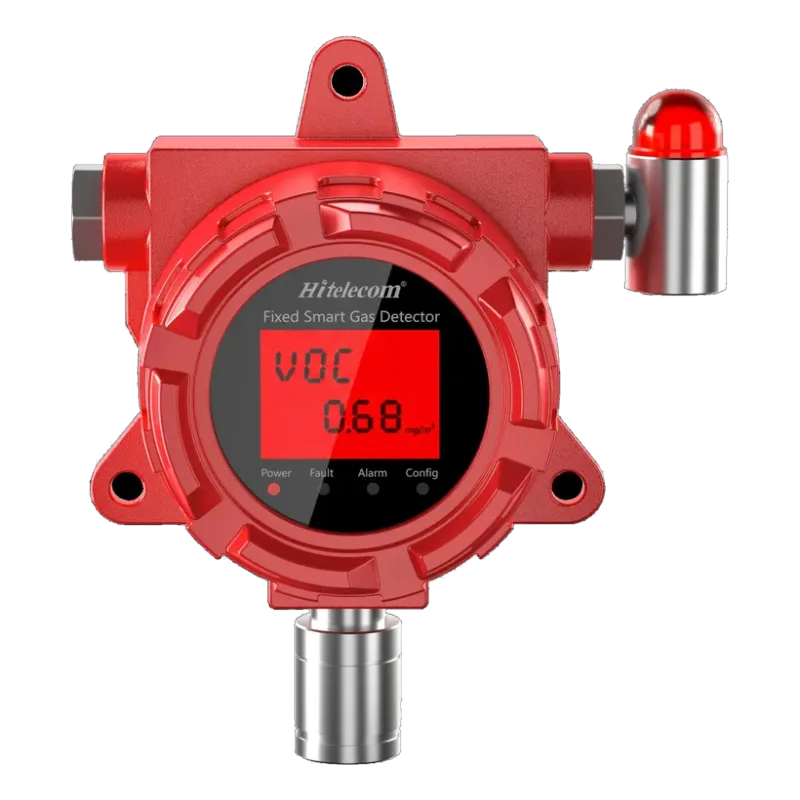


Industrial TVOC sensor.
VOC trends.
A clearer site overview.

Hitelecom H Series red TVOC monitor with bottom sensing head and illustrated local alarm hardware, official product image
Product form shown · Hardware by configuration

Bring fixed VOC monitoring points into your industrial monitoring program. Start with the compounds, expected concentrations and site conditions, then match the H Series sensing configuration, power and wireless connection to the task. Remote readings and configured alerts give your team information to review. The illustrated product form is one configuration; agree the enclosure, power and alarm hardware with the ordered specification.

0–100,000 ppbPublished TVOC measuring rangeSelected sensing response and calibration basis
1 ppbPublished resolutionAccuracy specified for the selected configuration
Your platformRemote VOC readings and trendsHitelecom Cloud or compatible integration

KEY FEATURES

TVOC visibility.
Built around your site.

Connect the sensing response, installation and data path to the decisions your operation needs to make.

Remote TVOC monitoring

Bring readings from selected fixed points into your agreed monitoring platform.

Configured threshold alerts

Set thresholds around the process and define who investigates a notification.

Compound-led sensing

Select electrochemical or PID sensing after reviewing the target compounds and mixture.

Published range and resolution

0–100,000 ppb range with 1 ppb resolution. Confirm accuracy and response for the selected configuration.

Enclosure options

IP68 customization is listed. Match the ordered enclosure and mounting to the environment.

NFC configuration

NFC activation and local setup are listed for the H Series family.

Wireless connection options

Choose 4G LTE, NB-IoT or LoRa around regional coverage and the agreed integration path.

Power matched to the duty

Specify the power arrangement for the selected sensing configuration, sampling and reporting requirements.

MEASURE THE INTENDED VOC RESPONSE

Start with the compounds.
Then define the monitoring point.

A useful TVOC reading starts with the chemical inventory and a clear monitoring objective. Agree the sensing response and calibration basis, then choose points that represent the process conditions your team needs to review.

01

Ambient VOC trends

Observe changes at defined room or work-area positions. Review likely sources and airflow so each point represents the intended monitoring zone.

Define your measurement
Chemical inventory · Representative locations · Airflow · Baseline conditions
Discuss this measurement ↗
02

Process-area vapor trends

Follow detectable vapor changes near selected solvent-handling operations. Position points with the site's process and dispersion assessment, while preserving maintenance access.

Define your measurement
Process step · Likely release sources · Mixture changes · Required update timing
Discuss this measurement ↗
03

Duct monitoring points

Duct mounting is listed for the family. Specify the air stream, access and installation conditions so the selected mounting and sensing arrangement suit the point.

Define your measurement
Duct layout · Air stream · Mounting · Dust and moisture · Calibration access
Discuss this measurement ↗
SENSING & INSTALLATION

Plan the monitoring point.
Match the device to the site.

Treat the layout as part of the monitoring design. Release sources, vapor dispersion, ventilation and obstructions determine useful positions and the number of points; a point sensor has no universal coverage radius. Include access for inspection, calibration and service, plus network coverage and the ordered enclosure and power arrangement.

FROM READING TO RESPONSE

See the VOC trend.
Give your team a clear next step.

Sensing is when a measurement is taken; reporting is when data is sent; alert delivery includes the platform and communication path. Specify these timings separately around the expected rate of change and the operational response.

01

Measure

The selected configuration responds to compounds at the defined monitoring point. Agree the target gases, calibration basis and sensing duty.

02

Transmit

Readings travel through the selected cellular or LoRa path. Confirm local coverage, reporting timing and delivery to the receiving platform.

03

Review

Review readings, trends and configured alerts. Define the responsible person and investigation procedure before commissioning.

SENSING DUTY & POWERPower for the selected configuration.

The H Series is powered by an external 9–24 V supply. Match the power wiring to the ordered installation requirements. The illustrated monitor's power and alarm hardware are part of the ordered configuration.

APPLICATIONS

Industrial VOC monitoring.
From process to plant.

Choose an industry, then explore 48 defined air-trend tasks across coatings, packaging, tire and rubber, chemical production, petrochemical handling, laboratories, treatment and solvent recovery. Each task identifies the monitoring point and engineering information needed to match a project.

8 industry categories 48 monitoring tasks

Illustrative process scenes. The product reference identifies the TVOC monitor; each air-monitoring point is defined for the project’s solvent mixture, airflow and installation conditions.
01Coatings, inks & printing6 monitoring tasks
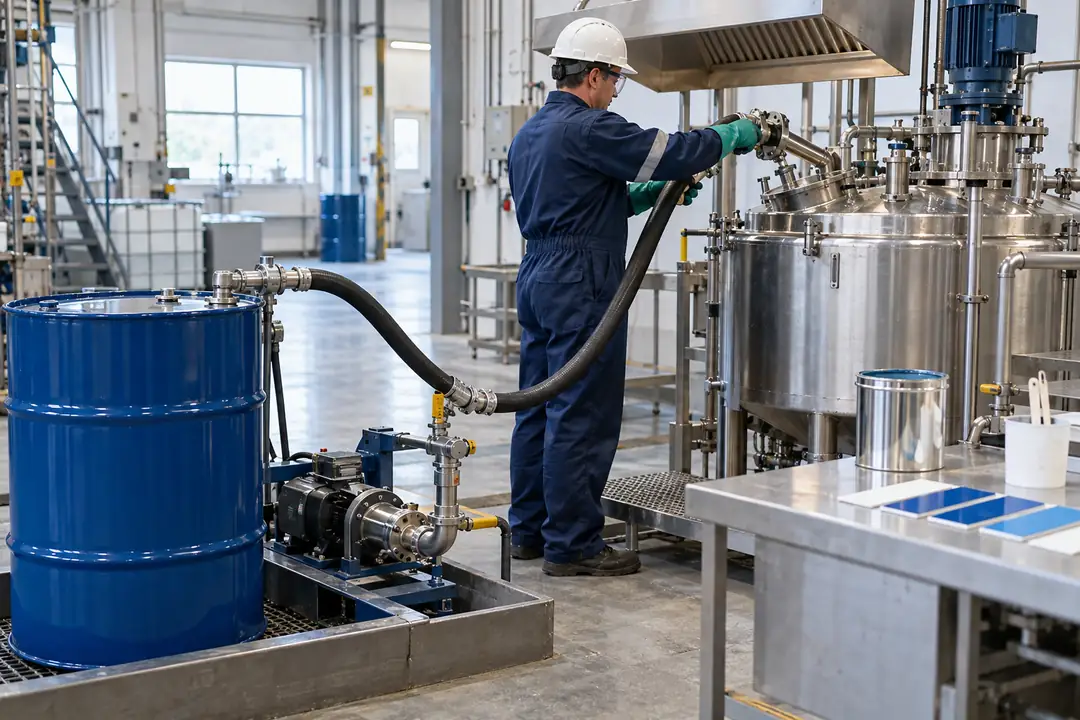
Operator connecting a closed solvent feed from a sealed drum to a paint mixing vessel under local extraction
Paint preparation: closed solvent feed, charging connection and local extraction — illustrative process

Follow solvent-related air changes from paint and ink preparation through application, drying and press cleaning.
Paint & coating batch mixing

VOC air trend during batch charging, mixing and washout
Operator connecting a closed solvent feed from a sealed drum to a paint mixing vessel under local extraction
Product reference: Hitelecom H Series TVOC monitor
TVOC AIR MONITORING

VOC air trend during batch charging, mixing and washout

H Series product reference
Paint preparation: closed solvent feed, charging connection and local extraction — illustrative process

Follow local VOC air trends while solvent-borne paints and coatings are charged, mixed and adjusted. A consistent point near the charging enclosure helps the team compare batches and review changes around lid opening, solvent additions or washout. Connect the history with the actual formulation and extraction status so an unusual rise leads to a focused process check. Select the sensing configuration against the named solvents and expected air concentrations before defining reporting or notification settings.

VOC trend to observe
VOC air trend during batch charging, mixing and washout
Monitoring point
Representative air near the solvent-charge enclosure and mixing-vessel access, outside splash and direct discharge paths.
Placement & installation
Map extraction and makeup-air routes; protect the sensing inlet from pigment dust, liquid splash and vessel heat.
Project details
Solvent names/SDS, recipes, vessel access, extraction schedule, expected range, measurement point, model and history/alert requirements.
Discuss this application

Industrial spray-coating booths

Local solvent-vapor trend around spray and flash-off tasks
Enclosed industrial metal-parts spray coating line with booth ventilation and suspended workpieces
Product reference: Hitelecom H Series TVOC monitor
TVOC AIR MONITORING

Local solvent-vapor trend around spray and flash-off tasks

H Series product reference
Industrial spray-coating booths — illustrative industrial environment

Observe VOC air trends around an enclosed solvent-coating line as spraying, flash-off and booth access change through the shift. Readings from a defined booth-side or adjacent work-area point can support reviews of containment and operating practice alongside ventilation measurements. Use the paint and thinner SDS to identify the organic-vapor mixture and relevant sensor response. Record production and cleaning states separately so the team can distinguish a coating-run pattern from a spray-gun or color-change cleaning event.

VOC trend to observe
Local solvent-vapor trend around spray and flash-off tasks
Monitoring point
Assessed booth-side work-area or enclosure-boundary air point, away from the atomized coating plume.
Placement & installation
Specify inlet protection against overspray and align the point with assessed airflow; apply the actual area-classification requirements.
Project details
Paint/thinner SDS, booth layout, flash-off time, overspray loading, airflow, zone assessment, configuration and remote-review needs.
Discuss this application

Coating drying & oven unloading

VOC air trend at the drying-to-handling interface
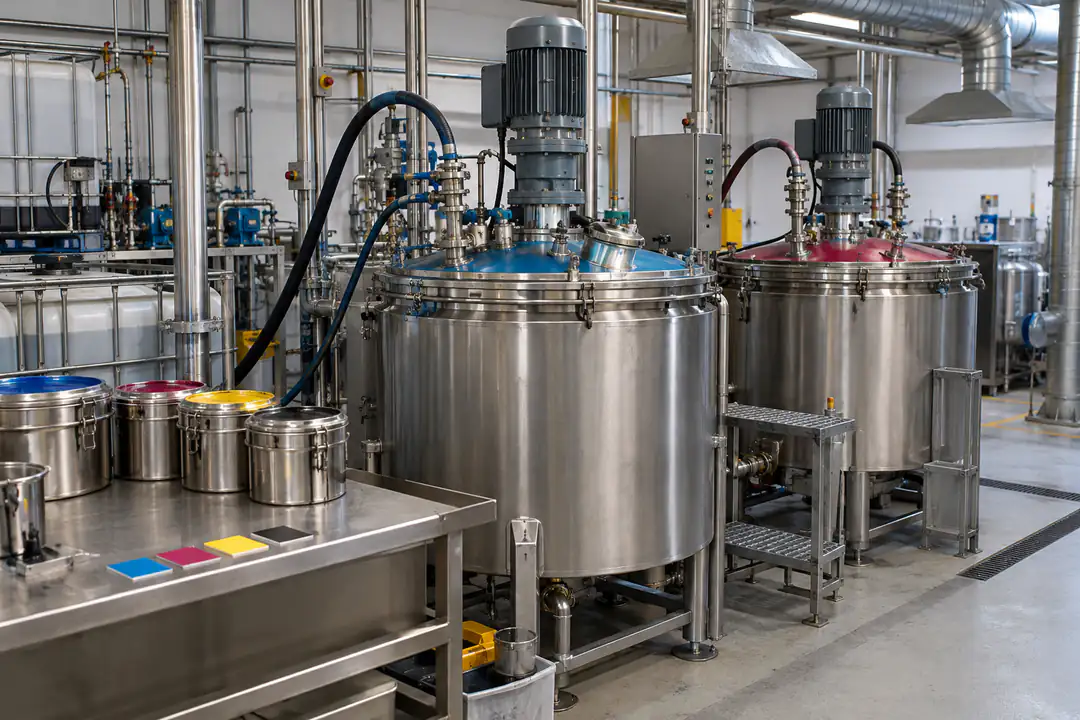
Freshly liquid-coated metal components leaving an extracted drying tunnel beside a visible spray-coating station
Product reference: Hitelecom H Series TVOC monitor
TVOC AIR MONITORING

VOC air trend at the drying-to-handling interface

H Series product reference
Liquid-coating drying exit: coated parts and the external unloading boundary — illustrative process

Track VOC air conditions where solvent-coated parts leave a drying or baking stage and move into the handling area. Compare the trend with product loading, oven-door activity, cooling time and extraction operation to understand recurring local changes. The objective is an ambient-air record at the unloading interface, with a range suited to that point. Define the solvent mix and temperature exposure first, then choose mounting or a qualified sampling arrangement that preserves a useful, repeatable reading.
VOC trend to observe
VOC air trend at the drying-to-handling interface
Monitoring point
Defined air position near the oven exit or cooling conveyor, clear of the hot discharge stream.
Placement & installation
Keep the device within its rated thermal conditions and establish a protected point or engineered remote sampling position.
Project details
Coating formulation, oven cycle, unloading pattern, local air temperature, airflow, sampling distance, expected level and model selection.
Discuss this application

Ink preparation & dilution rooms

VOC air trend during solvent-ink mixing and dilution
Industrial ink preparation room with covered color-coded mixing vessels and a local extraction enclosure
Product reference: Hitelecom H Series TVOC monitor
TVOC AIR MONITORING

VOC air trend during solvent-ink mixing and dilution

H Series product reference
Ink preparation & dilution rooms — illustrative industrial environment

Build an air-trend record around solvent-borne ink preparation, dilution and container changes. A stable point near the mixing enclosure helps operators review the effect of batch size, uncovered time and extraction use without moving the sensing position between recipes. Interpret changes against the actual ink vehicle and dilution solvent rather than treating every formulation as equivalent. The project can configure history and notifications around operating shifts once response, range and the local airflow pattern have been confirmed.
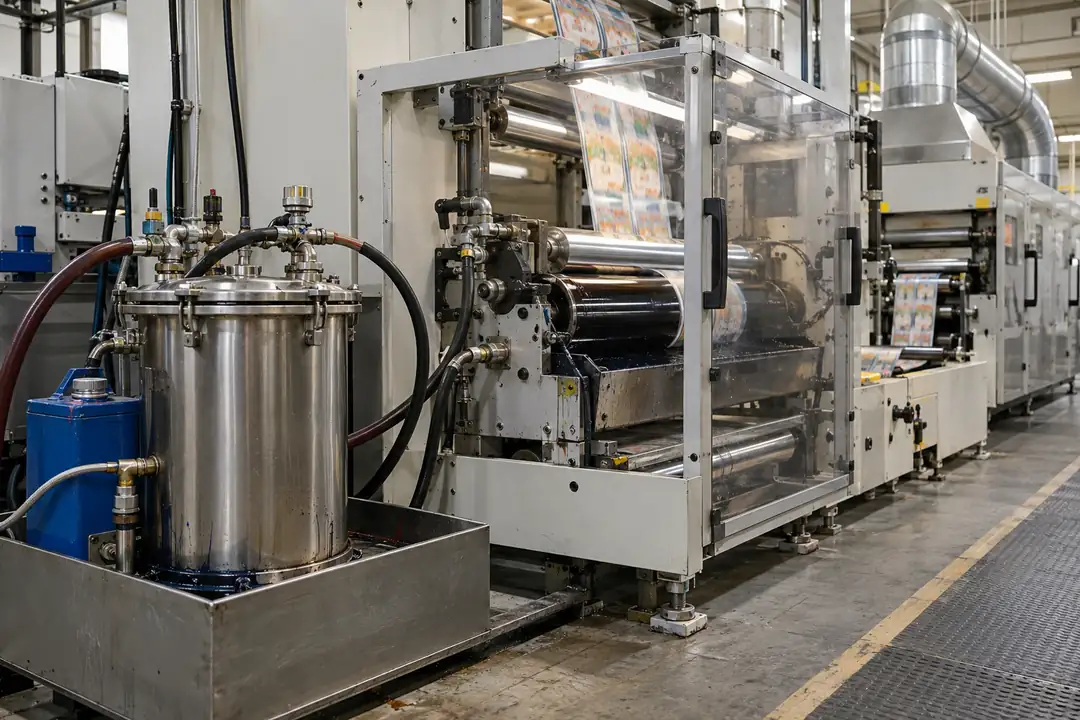
VOC trend to observe
VOC air trend during solvent-ink mixing and dilution
Monitoring point
Representative air outside the mixing enclosure or near the defined ink-transfer task boundary.
Placement & installation
Avoid pigment contamination and solvent splashes; document whether mixing and transfer need separate sensing points.
Project details
Ink/solvent SDS, batch volume, transfer frequency, enclosure geometry, extraction operation, sensor response and reporting interval.
Discuss this application

Gravure & flexographic press halls

VOC air trends around ink stations and dryer interfaces
Guarded web-printing module with a closed ink circulation vessel, feed and return hoses and metered solvent connection
Product reference: Hitelecom H Series TVOC monitor
TVOC AIR MONITORING

VOC air trends around ink stations and dryer interfaces

H Series product reference
Printing ink station: closed circulation and solvent-feed interfaces — illustrative process

Follow local VOC air trends beside solvent-ink stations and the drying sections of a web-printing line. Time-aligned records help the team relate changing readings to press speed, ink replenishment, dryer settings and planned cleaning. Select points around the actual release and airflow pattern rather than assuming a single location represents a long press hall. Confirm response to the named ink solvents, then use configured remote history to compare normal production periods and investigate unusual process-related changes.
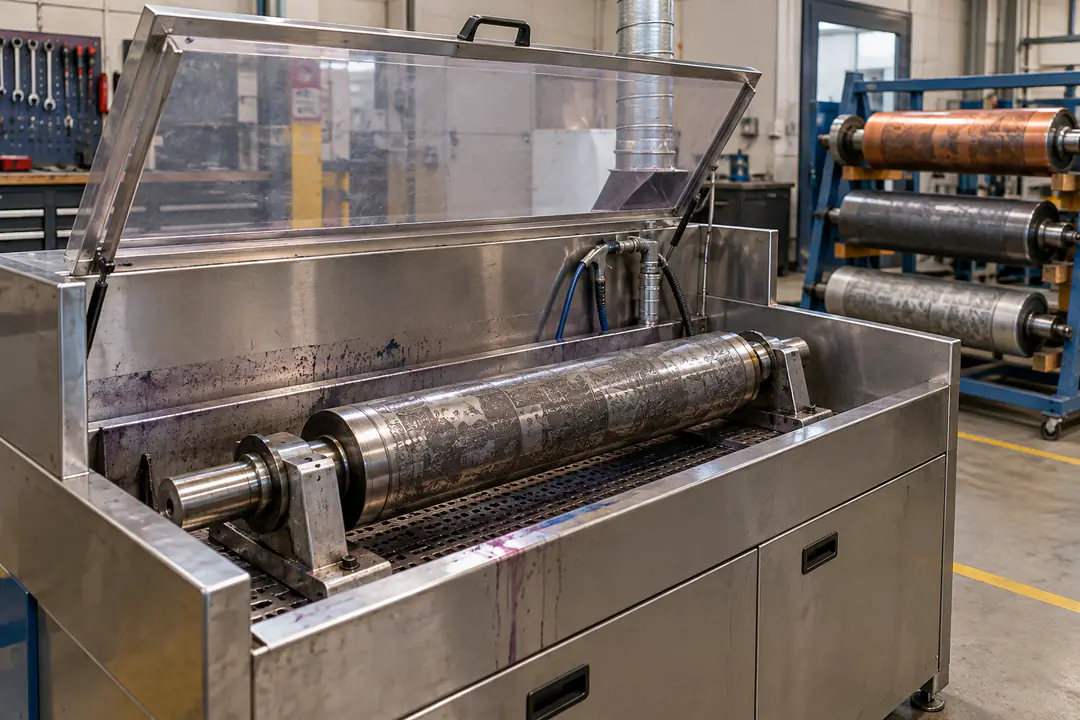
VOC trend to observe
VOC air trends around ink stations and dryer interfaces
Monitoring point
Selected press-side air positions near enclosed ink stations or dryer/chill-roll interfaces, as defined by the survey.
Placement & installation
Separate points by press section when required; keep inlets away from direct dryer jets and solvent aerosols.
Project details
Ink chemistry, press layout/speed, dryer states, capture airflow, section count, expected concentration, connectivity and configured alerts.
Discuss this application

Press roller & tooling cleaning

Task-area VOC air trend during roller and tooling wash cycles
Offline printing press roller wash station with metal rollers inside a ventilated cleaning enclosure
Product reference: Hitelecom H Series TVOC monitor
TVOC AIR MONITORING

Task-area VOC air trend during roller and tooling wash cycles

H Series product reference
Press roller & tooling cleaning — illustrative industrial environment

Record VOC air changes at the offline roller and tooling wash station during solvent application, rinsing and drying. A fixed task-area point allows the printing team to review cleaning patterns separately from press operation and compare covered versus active cleaning periods. Relate the history to cleaning-fluid SDS, wash duration and local extraction status. Establish a configuration that responds usefully to the chosen cleaners, with an inlet protected from splashing and a notification workflow suited to this intermittent task.
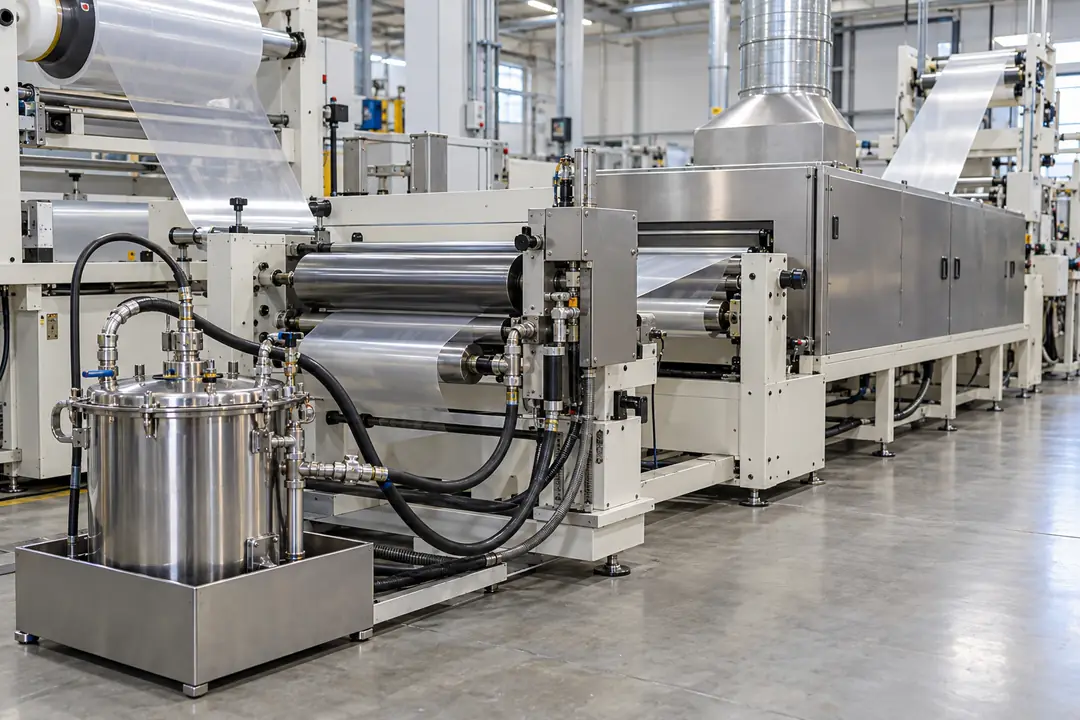
VOC trend to observe
Task-area VOC air trend during roller and tooling wash cycles
Monitoring point
Assessed air point outside the wash enclosure or at the adjacent cleaning-workstation boundary.
Placement & installation
Protect against spray and residue; include the wash enclosure and solvent-waste container in the airflow assessment.
Project details
Cleaner SDS, wash method, task duration, residue type, enclosure opening, extraction, inlet protection and record-review needs.
Discuss this application
02Packaging & adhesive bonding6 monitoring tasks
Film-lamination adhesive coating module with a lidded supply vessel, closed feed hoses and extracted drying enclosure
Dry-bond lamination: adhesive-feed connections and coating enclosure — illustrative process

Review local VOC trends around solvent adhesive preparation, web coating, assembly and laminate holding tasks.

Flexible-packaging lamination

VOC air trend at adhesive-coating and laminator interfaces
Film-lamination adhesive coating module with a lidded supply vessel, closed feed hoses and extracted drying enclosure
Product reference: Hitelecom H Series TVOC monitor
TVOC AIR MONITORING

VOC air trend at adhesive-coating and laminator interfaces

H Series product reference
Dry-bond lamination: adhesive-feed connections and coating enclosure — illustrative process

Observe VOC air trends around a dry-bond laminator that uses solvent-containing adhesive. Compare local readings with adhesive application, web speed, dryer operation and reel changes to review the working-area pattern through each run. Choose the point from the actual enclosure and airflow layout, and characterize the solvents in the adhesive and cleaner. An air-trend history can complement the line team’s process records; separate adhesive-component or residual-product testing remains part of the relevant quality and hygiene plan.
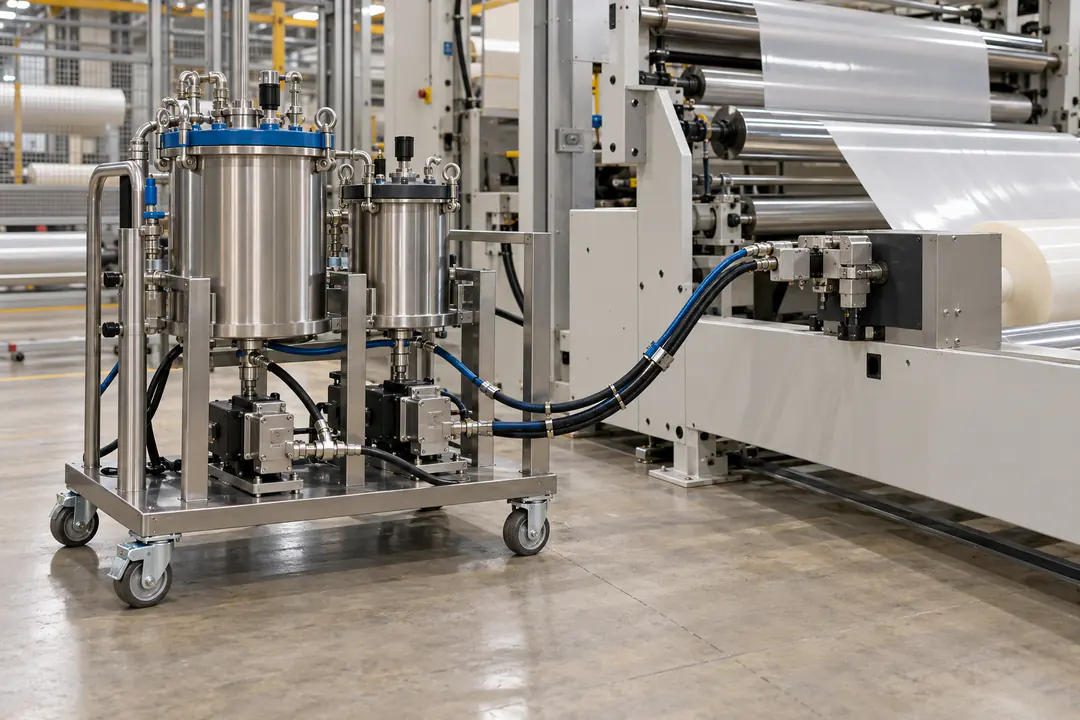
VOC trend to observe
VOC air trend at adhesive-coating and laminator interfaces
Monitoring point
Representative air outside the adhesive-coating enclosure or near the assessed dryer/web exit boundary.
Placement & installation
Use points appropriate to the coating and drying sections; shield the inlet from adhesive aerosol and direct heated exhaust.
Project details
Adhesive/SDS, cleaner, web width/speed, drying arrangement, airflow, point count, range and selected monitoring configuration.
Discuss this application

Solvent adhesive preparation

VOC air trend during adhesive component mixing and transfer
Metered two-component solvent adhesive mixing cart with closed feed containers in an industrial preparation room
Product reference: Hitelecom H Series TVOC monitor
TVOC AIR MONITORING

VOC air trend during adhesive component mixing and transfer

H Series product reference
Solvent adhesive preparation — illustrative industrial environment

Track local VOC air conditions while solvent-containing adhesives are measured, mixed and transferred to production. A defined mixing-cart or enclosure-side point helps the team compare preparation cycles, container opening and hose-change tasks. Use the component and solvent SDS to understand the vapor mixture, and record extraction status alongside the air trend. Select the exact measurement configuration after assessing response and anticipated levels, then configure remote history or task-related notifications around the preparation schedule and the team’s review procedure.

VOC trend to observe
VOC air trend during adhesive component mixing and transfer
Monitoring point
Representative air near the metering/mixing task boundary and container-connection area.
Placement & installation
Provide splash protection and a repeatable mounting position; confirm requirements for the actual classified or unclassified location.
Project details
Component/SDS list, solvent fraction, metering method, connection changes, ventilation, local range, model and event-history needs.
Discuss this application

Tape & label adhesive coating

VOC air trend around solvent adhesive web coating
Covered solvent-adhesive feed pot and extraction hood at a narrow-web tape coating head
Product reference: Hitelecom H Series TVOC monitor
TVOC AIR MONITORING

VOC air trend around solvent adhesive web coating

H Series product reference
Solvent adhesive feed and coating-head interface — illustrative process photo

Follow VOC air trends around a narrow-web tape or label coating line where the selected adhesive formulation contains volatile solvents. Relate changes to coating speed, dryer state, line stops and coating-head access, using the same defined sensing position across comparable production runs. Confirm the material recipe and sensor response before setting the range and reporting interval. The resulting history gives production and maintenance teams a local air record for investigating changes around the coating enclosure and nearby handling tasks.

VOC trend to observe
VOC air trend around solvent adhesive web coating
Monitoring point
Selected air point at the coating-head enclosure boundary or adjacent dryer exit handling area.
Placement & installation
Keep the inlet clear of adhesive mist and moving web; map air paths through the coating and drying modules.
Project details
Adhesive chemistry, web/product type, coat weight, dryer state, enclosure access, airflow, expected level and configuration.
Discuss this application

Footwear solvent-adhesive bonding

VOC air trend during footwear adhesive application and flash-off
Factory footwear upper bonding bench with metered adhesive applicators and a rear extraction slot
Product reference: Hitelecom H Series TVOC monitor
TVOC AIR MONITORING

VOC air trend during footwear adhesive application and flash-off

H Series product reference
Footwear solvent-adhesive bonding — illustrative industrial environment

Build a task-area VOC air record at industrial footwear benches that use solvent-based primer, cement or cleaner. Compare application and flash-off periods with station throughput, container handling and extraction operation. Define a representative point from the bench airflow so routine changes can be interpreted consistently across shifts. The project starts with the exact adhesive and cleaner SDS, expected air level and work pattern, then matches the monitoring configuration and remote-review settings to the solvents used at that station.

VOC trend to observe
VOC air trend during footwear adhesive application and flash-off
Monitoring point
Assessed air position at the extracted bonding-bench boundary, separate from the direct applicator plume.
Placement & installation
Mount clear of workers’ movements and wet adhesive; verify capture airflow and the point’s ability to represent the task.
Project details
Primer/cement/cleaner SDS, station layout, application method, flash-off time, extraction, point height, expected range and reporting.
Discuss this application

Panel & component contact bonding

VOC air trend during contact-adhesive coating and open time
Industrial panel contact-adhesive assembly table with large laminate panels and local extraction hoods
Product reference: Hitelecom H Series TVOC monitor
TVOC AIR MONITORING

VOC air trend during contact-adhesive coating and open time

H Series product reference
Panel & component contact bonding — illustrative industrial environment

Observe local VOC air trends during solvent contact-adhesive application and open-time handling of industrial panels or components. A defined assembly-area point helps the team compare batch size, coated surface area, waiting time and extraction use. Use the material SDS and actual process recipe to establish which organic vapors matter and how the selected configuration responds. Retained history can support a focused review when air conditions change during a new product run, adhesive substitution or workstation-layout adjustment.

VOC trend to observe
VOC air trend during contact-adhesive coating and open time
Monitoring point
Representative air at the ventilated coating-table boundary or selected panel flash-off handling zone.
Placement & installation
Assess the coated surface and makeup-air direction; protect the inlet from spray adhesive and moving assemblies.
Project details
Adhesive/primer SDS, surface area, application method, batch/open time, extraction, production layout, selected point and model.
Discuss this application

Laminated-roll curing rooms

VOC air trend in assessed laminate curing and holding zones
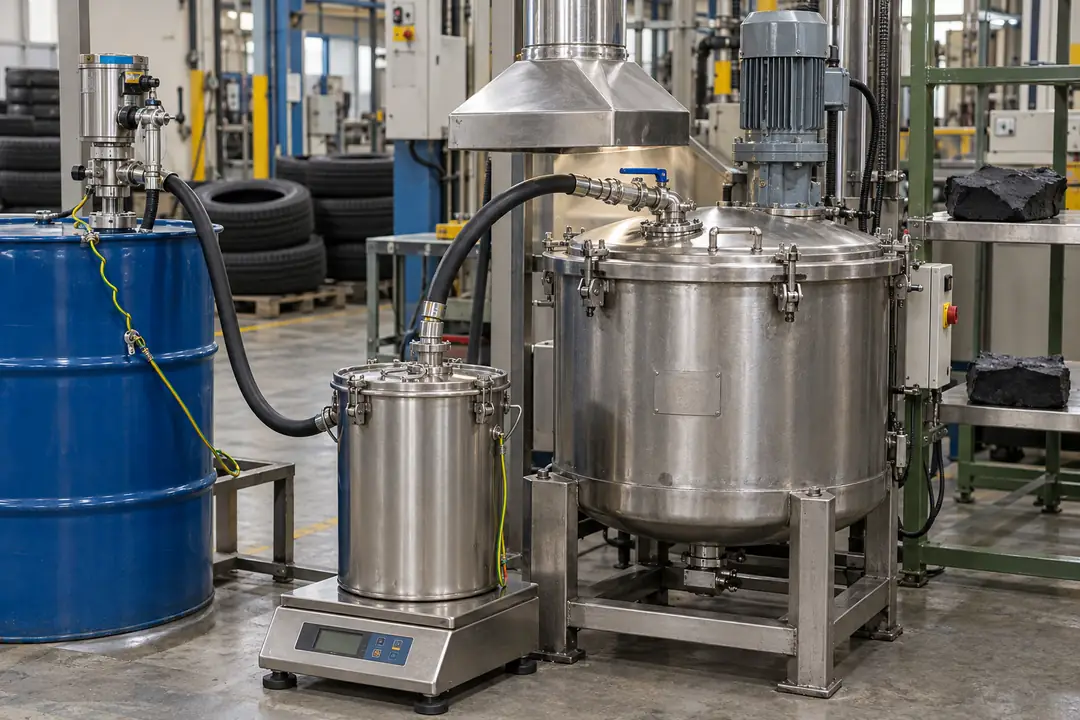
Fresh laminated flexible-packaging rolls arranged on curing-room racks in a ventilated industrial room
Product reference: Hitelecom H Series TVOC monitor
TVOC AIR MONITORING

VOC air trend in assessed laminate curing and holding zones

H Series product reference
Laminated-roll curing rooms — illustrative industrial environment

Follow VOC air conditions in a curing or holding room for freshly laminated packaging rolls when the process assessment identifies solvent release. Compare the local trend with incoming roll count, product age, room temperature and ventilation schedule. Place the sensing point to represent the selected rack zone rather than the entire room by assumption. Match the configuration to the known adhesive solvents, and use configured history to review curing-room loading patterns alongside separate residual-solvent and finished-packaging quality checks.
VOC trend to observe
VOC air trend in assessed laminate curing and holding zones
Monitoring point
Defined air position beside representative roll racks, away from supply-air jets and direct heater discharge.
Placement & installation
Survey rack airflow and room loading; use multiple zones if storage density creates materially different local conditions.
Project details
Adhesive solvents, roll/product type, loading schedule, curing temperature, rack layout, ventilation, point count and trend-review needs.
Discuss this application
03Tire, rubber & composites6 monitoring tasks
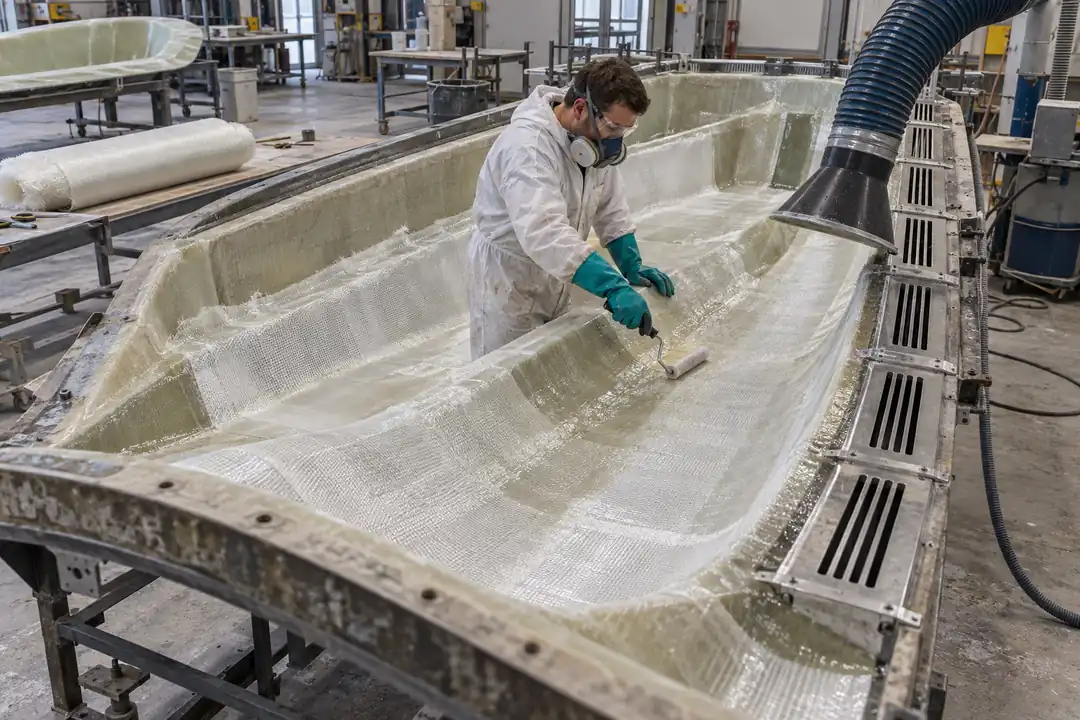
Closed solvent drum transfer and covered rubber cement mixer in a tire preparation workshop
Tire cement solvent charging and transfer interface — illustrative process photo

Define organic-vapor monitoring around tire cement, rubber processing and resin fabrication with the actual recipe and task airflow.

Tire cement preparation

VOC air trend during rubber cement mixing and transfer
Closed solvent drum transfer and covered rubber cement mixer in a tire preparation workshop
Product reference: Hitelecom H Series TVOC monitor
TVOC AIR MONITORING

VOC air trend during rubber cement mixing and transfer

H Series product reference
Tire cement solvent charging and transfer interface — illustrative process photo

Track VOC air trends around rubber-cement preparation and transfer tasks in tire manufacturing. Compare the local record with solvent charging, mixer access, batch completion and delivery-container changes, using the actual cement recipe as context. This is a practical starting point for a customized tire-plant monitoring project because the task and solvents can be defined clearly. Confirm the expected air levels, sensor response and installation conditions, then configure remote history and review notifications around the plant’s preparation and ventilation practices.

VOC trend to observe
VOC air trend during rubber cement mixing and transfer
Monitoring point
Representative air near the enclosed cement mixer charging and transfer interfaces.
Placement & installation
Protect against sticky residue and splash; review the actual solvent-handling area classification and sampling arrangement.
Project details
Cement solvent/SDS, mixer type, charging/transfer schedule, extraction, expected level, point layout and required project customization.
Discuss this application

Tire-building cement application

VOC air trend around cement application on tire-building tasks
Tire-building rotating drum with metered rubber cement applicator and local capture hood in a production hall
Product reference: Hitelecom H Series TVOC monitor
TVOC AIR MONITORING

VOC air trend around cement application on tire-building tasks

H Series product reference
Tire-building cement application — illustrative industrial environment

Observe VOC air trends where a tire-building operation applies solvent-containing cement to components or splice areas. Time-aligned records let the team compare application frequency, tire size, drum activity and extraction status across comparable runs. Select the point around the assessed task airflow, with protection from cement deposits and moving machinery. A project-specific configuration can provide useful local history once the cement solvents and response have been characterized; the readings remain tied to the selected air point and process recipe.

VOC trend to observe
VOC air trend around cement application on tire-building tasks
Monitoring point
Defined air position outside the metered cement applicator and building-drum work envelope.
Placement & installation
Respect machine guarding and operator access; keep the inlet clear of cement spray and account for capture-hood airflow.
Project details
Cement recipe/SDS, tire-building sequence, application rate, guarding, ventilation, inlet location, expected level and project-model match.
Discuss this application

Rubber mills & calendering

Characterized VOC air trend around rubber milling and calendering
Four-roll rubber calender with black rubber sheet and a capture hood in a modern tire manufacturing hall
Product reference: Hitelecom H Series TVOC monitor
TVOC AIR MONITORING

Characterized VOC air trend around rubber milling and calendering

H Series product reference
Rubber mills & calendering — illustrative industrial environment

Build a local VOC air-trend record around rubber mills and calenders when the plant’s assessment identifies relevant volatile organic constituents. Relate the readings to compound recipe, material temperature, feed rate and capture-hood operation to review changing conditions through the production cycle. Characterize the airborne mixture first because rubber-processing emissions can include several substance classes. Choose a configuration suitable for the identified VOC fraction, then retain history alongside process and ventilation observations at the defined monitoring points.

VOC trend to observe
Characterized VOC air trend around rubber milling and calendering
Monitoring point
Selected mill/calender work-area air point near the assessed capture boundary, clear of hot rolls and dust streams.
Placement & installation
Avoid radiant heat, oil contamination and moving rolls; assess local fans and capture hoods before fixing the point.
Project details
Compound/SDS, characterized VOC fraction, rubber temperature, operating cycle, ventilation layout, dust loading, model response and reporting.
Discuss this application

Tire repair & retread preparation

VOC air trend during tire solvent cleaning and repair cementing
Industrial tire retread repair station with a large tire casing, solvent-cleaning tools and bench extraction
Product reference: Hitelecom H Series TVOC monitor
TVOC AIR MONITORING

VOC air trend during tire solvent cleaning and repair cementing

H Series product reference
Tire repair & retread preparation — illustrative industrial environment

Follow VOC air trends during solvent surface cleaning, cementing and repair preparation in a retreading workshop. Separate the solvent task from buffing or other dust-generating steps when reviewing the history, and note tire size, work duration and extraction status. A fixed point beside the assessed repair station helps compare recurring task patterns. Begin with the cleaner and cement SDS, then select inlet protection and a suitable configuration so the team can review the relevant organic-vapor changes over time.
VOC trend to observe
VOC air trend during tire solvent cleaning and repair cementing
Monitoring point
Representative air at the extracted repair/preparation-bench boundary, separate from the buffing-dust collection path.
Placement & installation
Provide protection against rubber dust and cement deposits; establish task-specific airflow and actual location classification.
Project details
Cleaner/cement SDS, repair sequence, dust separation, throughput, extraction, sampling point, expected range and chosen configuration.
Discuss this application

Composite resin layup & gel coating

VOC air trend around assessed open-mould resin and gel-coat tasks
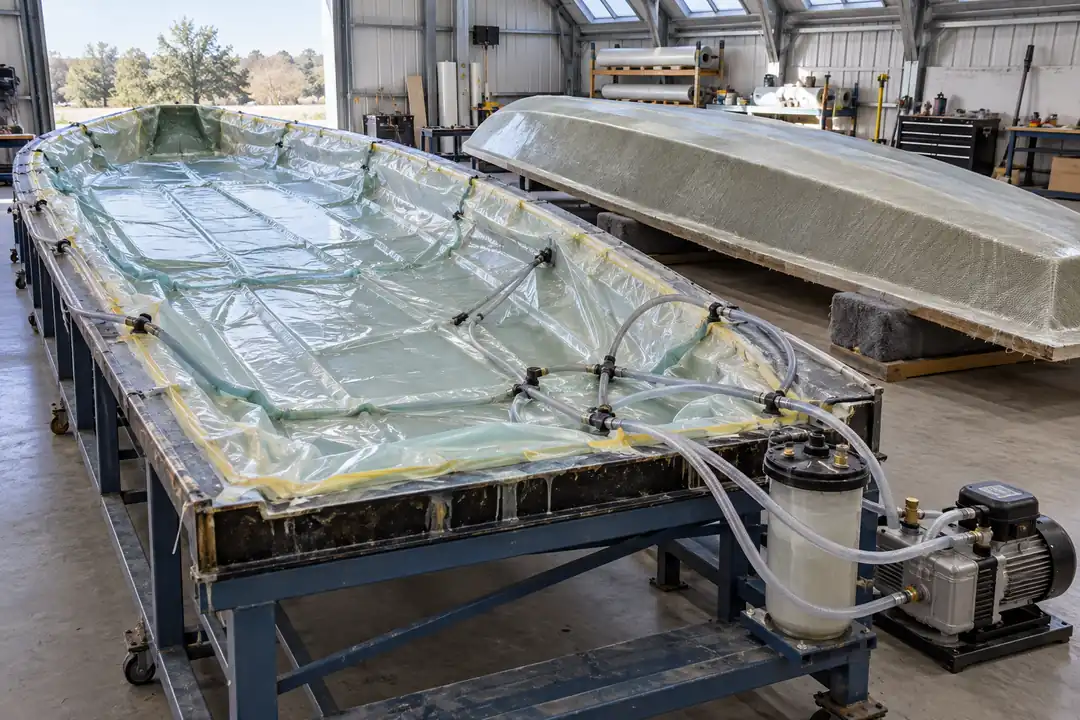
Large fiberglass composite open mould with resin layup materials and local extraction in an industrial fabrication shop
Product reference: Hitelecom H Series TVOC monitor
TVOC AIR MONITORING

VOC air trend around assessed open-mould resin and gel-coat tasks

H Series product reference
Composite resin layup & gel coating — illustrative industrial environment

Observe local VOC air trends during open-mould composite resin application, gel coating and curing. Relate the history to the actual resin monomer content, application method, part size and local extraction instead of assuming all composites behave alike. A repeatable point near the assessed mould work area can reveal process-related changes between comparable layups. Verify response to the named organic constituents and the expected range, then configure history around resin preparation, active application and cure periods for practical production review.
VOC trend to observe
VOC air trend around assessed open-mould resin and gel-coat tasks
Monitoring point
Selected air position at the mould-side capture boundary, away from direct resin spray and sanding dust.
Placement & installation
Map the large mould’s airflow and protect the inlet against resin mist; review heat and access throughout the cure cycle.
Project details
Resin/gel-coat SDS, actual monomer content, application method, mould size, cure state, ventilation, sensor response and required points.
Discuss this application

Resin infusion & demoulding

VOC air trend at resin-infusion connections and demoulding interfaces
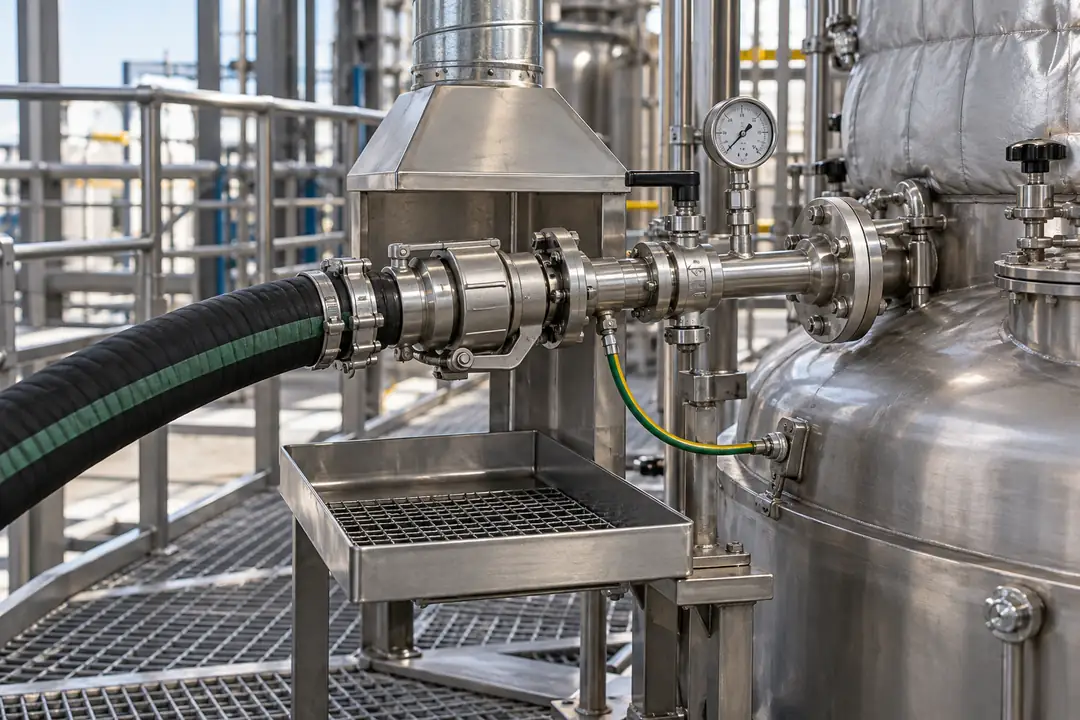
Composite resin infusion mould with vacuum lines and a cured molded part beside the tooling in a fabrication workshop
Product reference: Hitelecom H Series TVOC monitor
TVOC AIR MONITORING

VOC air trend at resin-infusion connections and demoulding interfaces

H Series product reference
Resin infusion & demoulding — illustrative industrial environment

Record VOC air conditions around resin-feed connections, infusion equipment and demoulding of cured composite parts. Compare the trend with resin preparation, vacuum-system state, mould opening and any solvent cleanup to understand the task sequence. Closed processing and open demoulding can create different local conditions, so define the monitoring point for each objective. Select a suitable configuration using the actual resin and cleaner SDS, expected organic-vapor response and air levels, with history linked to the production cycle.
VOC trend to observe
VOC air trend at resin-infusion connections and demoulding interfaces
Monitoring point
Defined air point near the resin-feed/vacuum interface or selected demoulding work-area boundary.
Placement & installation
Assess any vacuum exhaust separately; protect from resin and cleanup splash and avoid hot tooling surfaces.
Project details
Resin/cleaner SDS, infusion setup, vacuum exhaust routing, cure state, demoulding activity, airflow, expected range and model selection.
Discuss this application
04Chemical manufacturing & storage6 monitoring tasks
Closed solvent hose coupling beside a reactor charging port with spill tray and local extraction
Closed reactor solvent charging connection — illustrative process photo

Connect local VOC air history with solvent charging, blending, dispensing and selected bulk or packaged-storage operations.

Solvent reactor charging

VOC air trend around reactor solvent-charge interfaces
Closed solvent hose coupling beside a reactor charging port with spill tray and local extraction
Product reference: Hitelecom H Series TVOC monitor
TVOC AIR MONITORING

VOC air trend around reactor solvent-charge interfaces

H Series product reference
Closed reactor solvent charging connection — illustrative process photo

Follow local VOC air trends at solvent charging connections and reactor access tasks in chemical production. Compare transfer start and stop, hose changes, vessel access and extraction status against a defined operating baseline. The project should identify the named solvents and anticipated air concentrations before choosing the measurement configuration. Position the sensing point around the actual charging enclosure or connection geometry, then use configured history to support investigation of process-related changes and review recurring handling events with the production team.
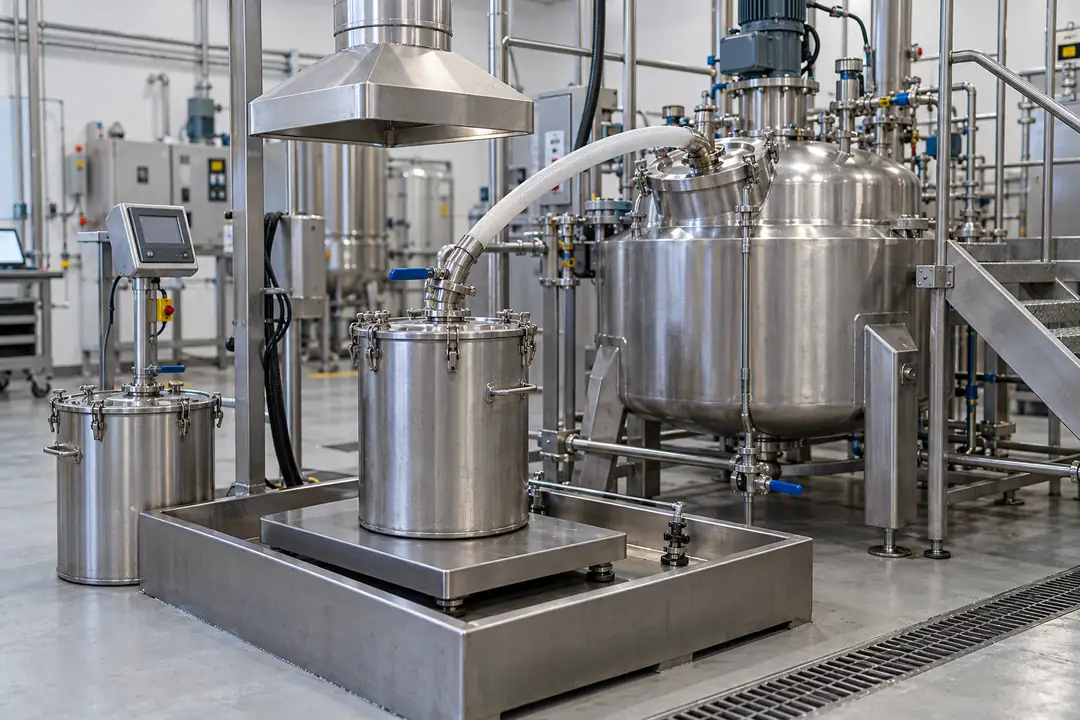
VOC trend to observe
VOC air trend around reactor solvent-charge interfaces
Monitoring point
Representative air near the closed charging connection or assessed reactor-access enclosure boundary.
Placement & installation
Use the site classification and actual Ex requirements when applicable; engineer wetted materials and sample routing for the solvent mix.
Project details
Solvent/SDS, transfer method, reactor conditions, connection events, area zone/group/temperature requirements, sampling layout and exact model.
Discuss this application

Specialty chemical batch blending

VOC air trend during organic-ingredient blending and batch transfer
Covered ingredient vessel on a scale transferring to a specialty chemical batch mixer under local extraction
Product reference: Hitelecom H Series TVOC monitor
TVOC AIR MONITORING

VOC air trend during organic-ingredient blending and batch transfer

H Series product reference
Organic-ingredient weighing and closed batch transfer — illustrative process photo

Observe VOC air trends around blending vessels where a defined specialty-chemical recipe contains volatile organic ingredients. Relate changes to component addition, agitation, temperature and transfer into the next process stage. A consistent vessel-side air point can support comparison of like-for-like batches and highlight changes that deserve a targeted operating check. Use the formulation SDS and expected mixture to select a suitable sensor configuration, and retain the history with batch identifiers and ventilation state for the team’s process review.
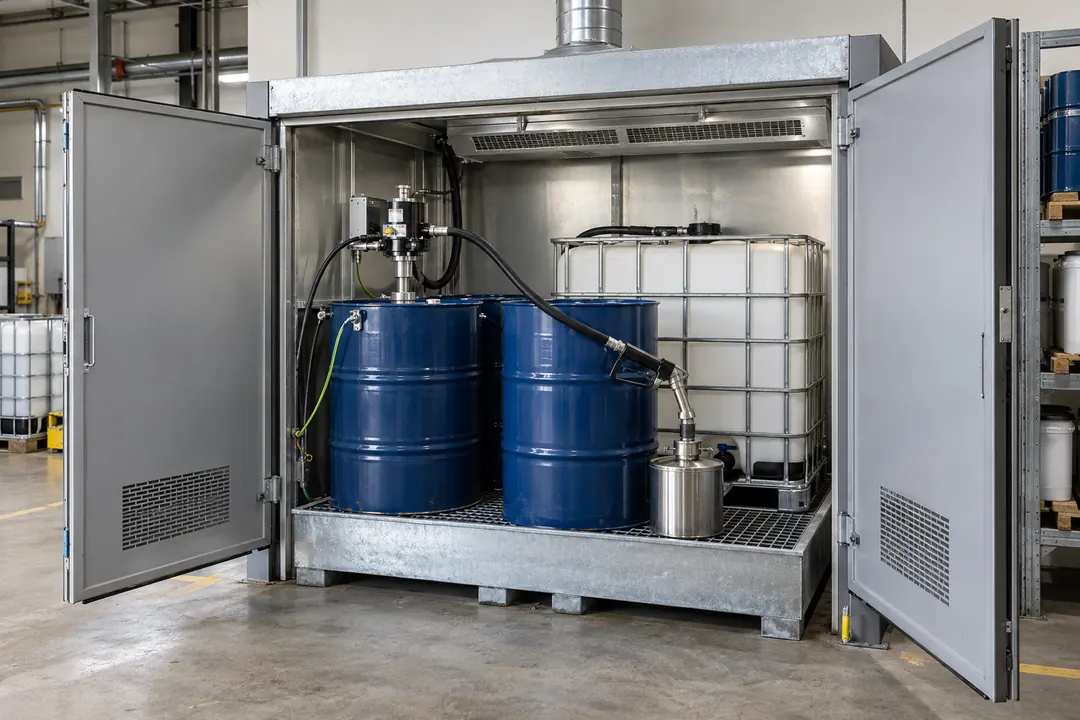
VOC trend to observe
VOC air trend during organic-ingredient blending and batch transfer
Monitoring point
Assessed air point near the blending-vessel charging or transfer interface, outside direct vent discharge.
Placement & installation
Check chemical compatibility, inlet contamination and nearby heating; choose the point using enclosure and local airflow observations.
Project details
Ingredient/SDS list, batch temperature, vessel arrangement, addition sequence, extraction, operating states, expected levels and model response.
Discuss this application

Drum & IBC solvent dispensing

VOC air trend during packaged-solvent dispensing and connection changes
Bunded industrial drum and IBC solvent dispensing cabinet with transfer hoses and closed receiving containers
Product reference: Hitelecom H Series TVOC monitor
TVOC AIR MONITORING

VOC air trend during packaged-solvent dispensing and connection changes

H Series product reference
Drum & IBC solvent dispensing — illustrative industrial environment

Track VOC air changes around solvent dispensing from drums or intermediate bulk containers into process containers. A defined point near the dispensing enclosure helps compare connection changes, filling duration and container closure practice across routine transfers. Interpret the trend with the named solvent, transfer rate and extraction operation, then configure the record for the team’s handling review. Select the inlet arrangement and exact monitoring model after assessing splash, concentration peaks and the classification of the actual dispensing location.
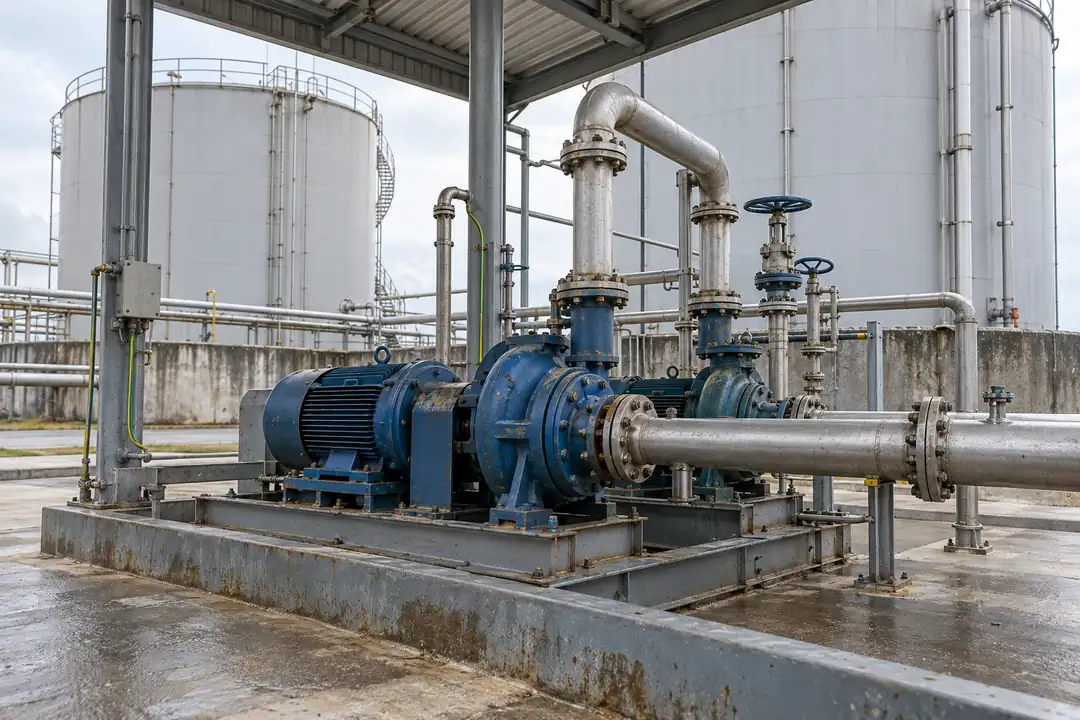
VOC trend to observe
VOC air trend during packaged-solvent dispensing and connection changes
Monitoring point
Representative air at the ventilated dispensing-cabinet boundary and assessed hose/container-connection area.
Placement & installation
Protect from liquid splash and provide service access; review the local zone and equipment requirements rather than the building name.
Project details
Solvent/SDS, container sizes, dispensing rate, hose/coupler design, ventilation, local classification, response/range and reporting needs.
Discuss this application

Bulk solvent tank pump bays

Ambient VOC trend at selected solvent transfer pump interfaces
Outdoor bulk solvent storage pump skid with pipework, bund and large storage tanks in the background
Product reference: Hitelecom H Series TVOC monitor
TVOC AIR MONITORING

Ambient VOC trend at selected solvent transfer pump interfaces

H Series product reference
Bulk solvent tank pump bays — illustrative industrial environment

Build a VOC air-trend record at selected bulk-solvent transfer pumps and adjacent handling positions. Compare readings with pump operation, product transfers into and out of the tanks and maintenance activity, using wind and local airflow as interpretation context. Define the organic liquid and the point’s likely concentration range before choosing a configuration. For an assessed classified location, verify the required certificate and Ex marking against the zone, gas group, temperature class and installation; a remotely located device still requires engineering of any sample route.
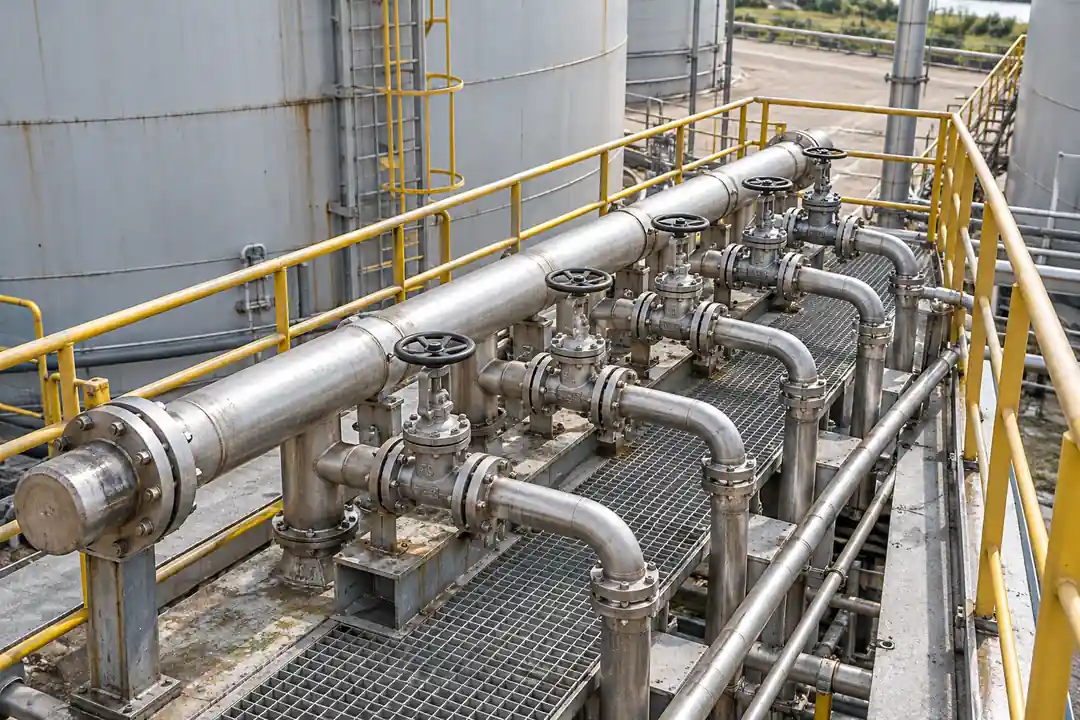
VOC trend to observe
Ambient VOC trend at selected solvent transfer pump interfaces
Monitoring point
Assessed ambient-air point near the selected pump/seal or transfer-connection boundary, away from tank vent outlets.
Placement & installation
Match actual certification/Ex marking and installation to any classified area, or engineer an assessed remote-sampling arrangement.
Project details
Liquid/SDS, pump/seal layout, transfer schedule, wind exposure, area drawing, zone/group/temperature class, sample design and exact model.
Discuss this application

Tank valve & manifold areas

Local VOC air trend around tank manifold and valve operations
Bulk solvent tank valve manifold and maintenance access platform with organized valves and transfer pipework
Product reference: Hitelecom H Series TVOC monitor
TVOC AIR MONITORING

Local VOC air trend around tank manifold and valve operations

H Series product reference
Tank valve & manifold areas — illustrative industrial environment

Observe ambient VOC trends around a selected organic-liquid tank manifold and its recurring valve or connection tasks. Compare the history with product transfers, valve configuration changes and planned service to identify local patterns for review. The sensing position should be selected from the actual manifold geometry and airflow survey, with the solvent mix and expected levels used to qualify the configuration. Include the site’s hazardous-area drawing and installation requirements in the project brief wherever the selected location is classified.

VOC trend to observe
Local VOC air trend around tank manifold and valve operations
Monitoring point
Defined ambient-air point at the selected manifold operating boundary, separate from direct vents or drain discharge.
Placement & installation
Allow safe maintenance access and weather protection; qualify the complete equipment/sampling installation against the actual area requirements.
Project details
Stored-liquid/SDS, valve duties, transfer states, wind/local airflow, vent/drain routing, classified-area requirements and monitoring-point plan.
Discuss this application

Packaged-solvent storage rooms

VOC air trend in selected packaged-solvent storage zones
Segregated packaged-solvent warehouse with closed drums on industrial racks and a clear inspection aisle
Product reference: Hitelecom H Series TVOC monitor
TVOC AIR MONITORING

VOC air trend in selected packaged-solvent storage zones

H Series product reference
Packaged-solvent storage rooms — illustrative industrial environment

Follow VOC air conditions in selected warehouse zones that hold packaged organic solvents. Compare stable storage periods with receiving, picking, inspection and damaged-container handling to give the team a local trend record around those activities. Use the stored-material list and room ventilation layout to choose representative points; one location may not describe a large or subdivided warehouse. Match the sensor configuration to the actual solvent mixture and expected air level, with reporting and notifications linked to the site’s inspection procedure.

VOC trend to observe
VOC air trend in selected packaged-solvent storage zones
Monitoring point
Representative air near assessed container-handling/storage zones, away from supply-air jets and unobstructed for inspection.
Placement & installation
Review storage quantities, ventilation and any local classification; protect the device from vehicle impact and segregated-material contamination.
Project details
Stored solvents/SDS, package sizes, room/rack layout, ventilation, handling schedule, point count, area assessment and configured record/alerts.
Discuss this application
05Petrochemical transfer & maintenance6 monitoring tasks
Petroleum road tanker connected to an industrial loading arm at an organized bulk terminal transfer bay
Road-tanker product transfer — illustrative industrial environment

Review ambient VOC trends around characterized liquid-product transfer, sample handling and solvent-based maintenance tasks.

Road-tanker product transfer

Ambient VOC trend during petroleum-liquid tanker transfer tasks
Petroleum road tanker connected to an industrial loading arm at an organized bulk terminal transfer bay
Product reference: Hitelecom H Series TVOC monitor
TVOC AIR MONITORING

Ambient VOC trend during petroleum-liquid tanker transfer tasks

H Series product reference
Road-tanker product transfer — illustrative industrial environment

Track ambient VOC trends at an assessed petroleum-liquid loading or unloading connection area. Compare transfer stages, vapor-return operation and hose disconnection with wind conditions and the selected air-point history. Define the relevant organic-vapor mixture and response before selecting a configuration because petroleum products can contain different constituents. The project must match the actual classified-area requirements and sample installation where applicable, then configure the remote record around the terminal’s operating and maintenance review of recurring connection tasks.

VOC trend to observe
Ambient VOC trend during petroleum-liquid tanker transfer tasks
Monitoring point
Selected ambient-air point at the loading-arm or hose-connection boundary, away from direct vapor-return discharge.
Placement & installation
Use the area drawing to qualify the equipment/certificate and complete sampling arrangement; consider wind and vehicle impact.
Project details
Product/SDS, loading method, vapor recovery, coupler events, wind, zone/group/temperature class, sampling materials, exact model and history.
Discuss this application

Rail tankcar loading gantries

VOC air trend at assessed rail loading connection and operator positions
Rail tankcar beneath a petroleum loading gantry with loading arms, vapor collection and operator access platform
Product reference: Hitelecom H Series TVOC monitor
TVOC AIR MONITORING

VOC air trend at assessed rail loading connection and operator positions

H Series product reference
Rail tankcar loading gantries — illustrative industrial environment

Observe local VOC air trends around selected rail tankcar loading connections and gantry operating positions. Relate the history to product type, filling sequence, vapor collection and connection changes rather than assuming an entire terminal shares one air condition. The sensor and sample-point design should be qualified for the named organic vapors and likely local concentrations. Include the actual gantry area classification, equipment marking and installation details in the project, then use time-aligned records for focused transfer-operation review.

VOC trend to observe
VOC air trend at assessed rail loading connection and operator positions
Monitoring point
Defined ambient-air point at the selected loading connection or gantry task boundary.
Placement & installation
Qualify mounting or sampling against the actual zone/group/temperature requirements; account for wind, rail access and service movements.
Project details
Cargo/SDS, filling sequence, loading arm, vapor collection, gantry layout, wind, actual area drawing, sampling position and model response.
Discuss this application

Petroleum product sample stations

Ambient VOC trend during product sample collection and handling
Closed petroleum product sample cabinet installed beside a process pipe rack with organized sample connections
Product reference: Hitelecom H Series TVOC monitor
TVOC AIR MONITORING

Ambient VOC trend during product sample collection and handling

H Series product reference
Petroleum product sample stations — illustrative industrial environment

Build a VOC air-trend record around closed product sampling and sample-container handling at a petrochemical site. Compare sampling start, bottle changes, enclosure opening and cleanup with the local extraction or outdoor air pattern. Start with the named product constituents and sampling procedure to define the organic-vapor response and expected range. A fixed air point can help the team review recurring task changes, while the exact device and complete sample installation must satisfy the requirements of the assessed sampling location.

VOC trend to observe
Ambient VOC trend during product sample collection and handling
Monitoring point
Representative air outside the closed sample-cabinet interface or assessed bottle-handling boundary.
Placement & installation
Avoid direct liquid discharge; qualify chemical compatibility and the actual classified-area equipment and sampling requirements.
Project details
Product/SDS, sampling method, bottle changes, enclosure/extraction, expected organic-vapor levels, area requirements, inlet protection and configuration.
Discuss this application

Pump-seal operating & service areas

Local VOC air trend around characterized organic-liquid pump interfaces
Maintenance technician inspecting the seal area of a refinery process pump skid beside organized pipework
Product reference: Hitelecom H Series TVOC monitor
TVOC AIR MONITORING

Local VOC air trend around characterized organic-liquid pump interfaces

H Series product reference
Pump-seal operating & service areas — illustrative industrial environment

Follow ambient VOC trends at a selected pump that handles characterized petroleum or organic process liquids. Relate changes to running state, seal-system condition and planned service activity to support a focused maintenance review of that point. Determine the relevant organic-vapor mixture and sensor response before comparing trends across different products. Specify mounting and any sampling route around the actual pump layout and area classification, with configured history giving the team context for investigation and subsequent checks after maintenance.
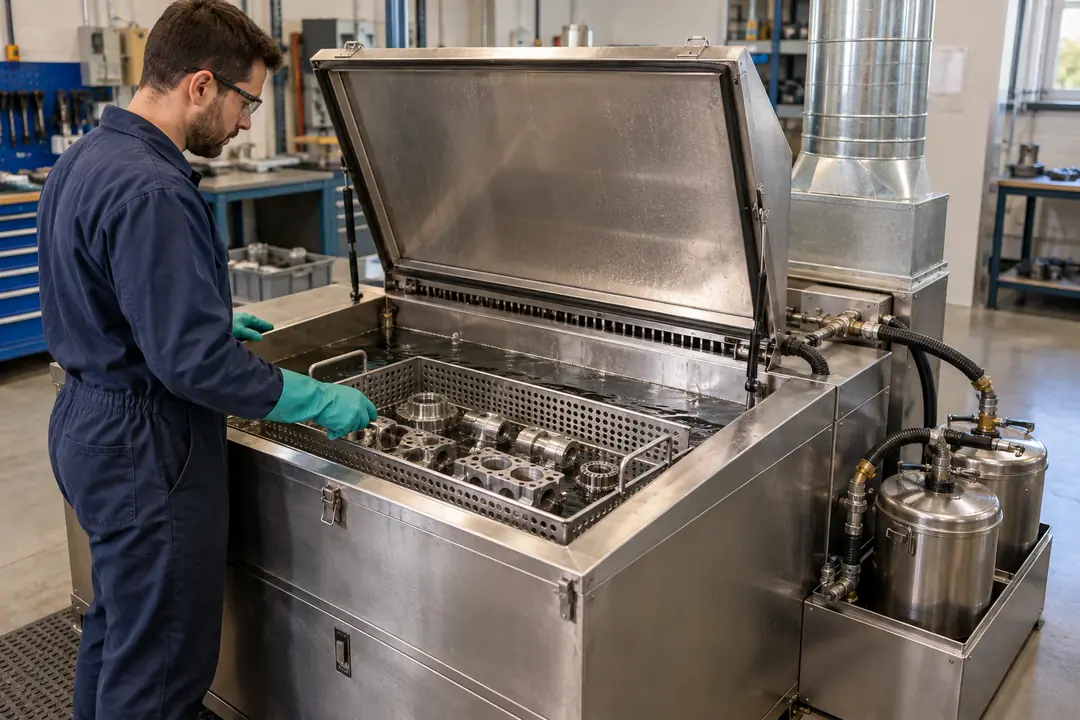
VOC trend to observe
Local VOC air trend around characterized organic-liquid pump interfaces
Monitoring point
Assessed ambient-air position near the selected seal/connection boundary, clear of hot surfaces and direct drains.
Placement & installation
Include the complete mounting/sampling arrangement in the classified-area review when applicable; protect from vibration, oil and splash.
Project details
Handled-liquid/SDS, pump/seal type, operating state, maintenance events, heat, local airflow, area requirements, expected level and exact configuration.
Discuss this application

Industrial parts degreasing

VOC air trend during solvent parts-cleaning and drying tasks
Covered solvent parts washer with a removable metal-parts basket and local extraction
Product reference: Hitelecom H Series TVOC monitor
TVOC AIR MONITORING

VOC air trend during solvent parts-cleaning and drying tasks

H Series product reference
Illustrative organic-solvent parts-cleaning task; ambient VOC monitoring concerns air around the assessed handling boundary.

Record VOC air changes at a parts-cleaning station that uses a known organic solvent. Compare loading, lid opening, wash cycles and cleaned-part drying with extraction status and cleaning-fluid condition. A repeatable point outside the machine enclosure gives the maintenance team a local air history across comparable tasks. Assess the actual solvent and anticipated concentration before selecting the monitoring configuration, and provide inlet protection from spray or condensate so the record remains useful during routine workstation operation.
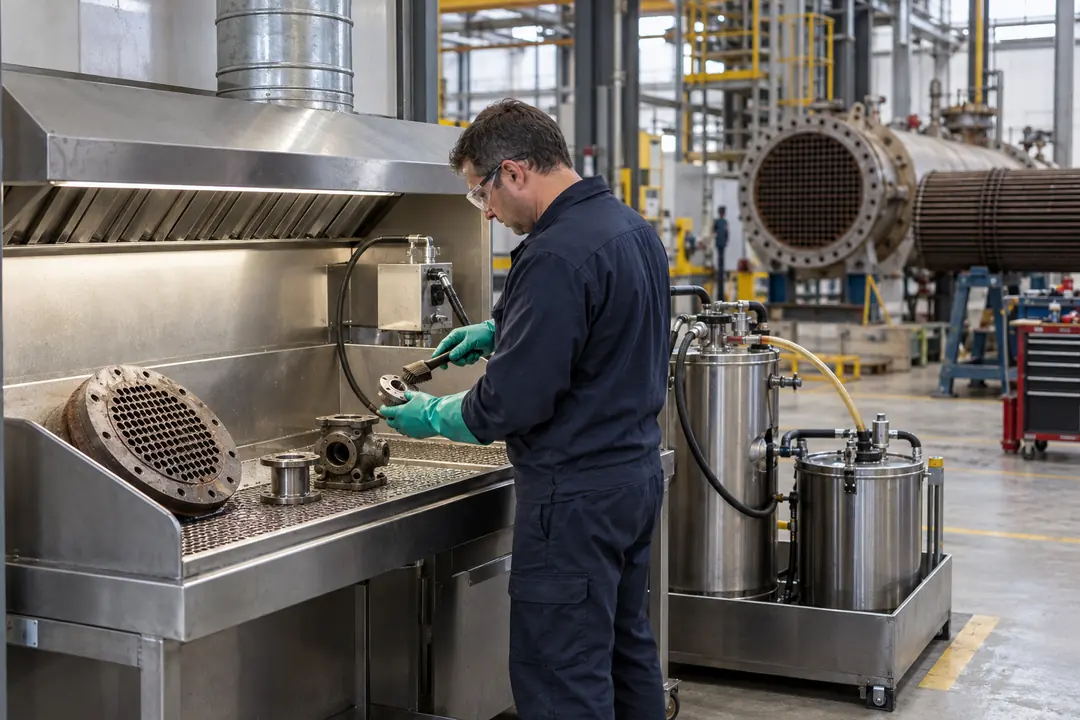
VOC trend to observe
VOC air trend during solvent parts-cleaning and drying tasks
Monitoring point
Selected air point outside the closed-lid parts washer or assessed parts-drying area boundary.
Placement & installation
Protect from solvent spray and condensation; define the point using the washer’s containment and capture-air layout.
Project details
Cleaner/SDS, cold/vapor cleaning method, lid cycle, part loading, drying period, extraction, condensation risk, expected range and model.
Discuss this application

Shutdown equipment solvent cleaning

Task-area VOC air trend during isolated equipment solvent cleaning
Solvent-cleaning bench for isolated maintenance parts with a capture hood and closed fluid containers
Product reference: Hitelecom H Series TVOC monitor
TVOC AIR MONITORING

Task-area VOC air trend during isolated equipment solvent cleaning

H Series product reference
Illustrative planned solvent-cleaning task with source capture; the monitored air point is outside liquid, splash and direct exhaust paths.

Observe local VOC air trends during a planned equipment-cleaning task in a designated shutdown service bay. Relate the record to the cleaner used, application method, work duration and temporary extraction rather than applying normal production assumptions. A defined work-area point can support the team’s review of solvent-related air changes as the task progresses. Match the monitoring configuration to the actual chemical mixture and concentration range, with mounting or sampling designed for the assessed bay and its changing equipment layout.

VOC trend to observe
Task-area VOC air trend during isolated equipment solvent cleaning
Monitoring point
Representative air at the assessed cleaning-bay boundary beside the isolated equipment and extraction zone.
Placement & installation
Review temporary ventilation, inlet splash protection and any classification specific to the cleaning operation before installation.
Project details
Cleaner/SDS, isolated equipment, cleaning sequence, temporary extraction, bay layout, local classification, expected range and event-history needs.
Discuss this application
06Pharma, specialty production & labs6 monitoring tasks
Pharmaceutical solvent metering trolley and closed charging coupling beside a production vessel
Illustrative closed pharmaceutical solvent-charging connection; response and installation are selected for the actual process solvents.

Build local solvent-air records at defined production, separation, analytical and waste-handling interfaces.

Pharmaceutical solvent charging

VOC air trend around pharmaceutical process-solvent charge interfaces
Pharmaceutical solvent metering trolley and closed charging coupling beside a production vessel
Product reference: Hitelecom H Series TVOC monitor
TVOC AIR MONITORING

VOC air trend around pharmaceutical process-solvent charge interfaces

H Series product reference
Illustrative closed pharmaceutical solvent-charging connection; response and installation are selected for the actual process solvents.

Follow VOC air trends at solvent metering, charging connections and vessel access points in pharmaceutical production. Compare changes with the batch recipe, transfer sequence and room or enclosure airflow to create a useful local operating record. Define the process solvents and expected air levels before selecting the configuration, including any requirements for cleanability and installation materials. Connect retained history with batch and ventilation states so production and engineering teams can review recurring solvent-handling events at the specified point.
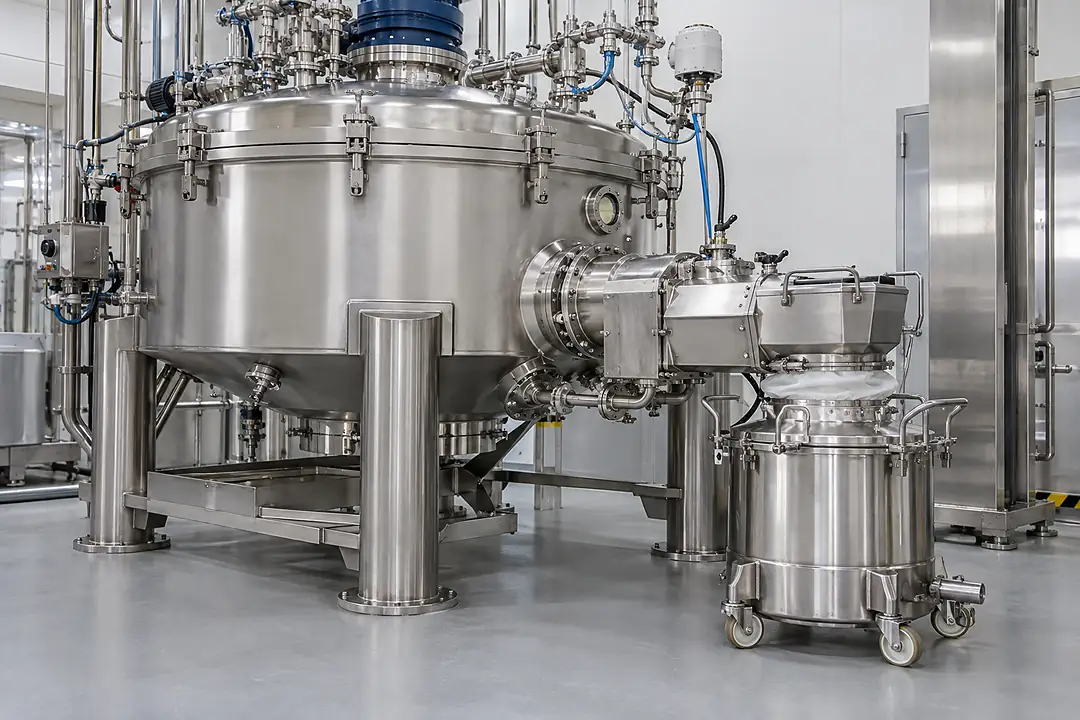
VOC trend to observe
VOC air trend around pharmaceutical process-solvent charge interfaces
Monitoring point
Selected air point near the metering/charging interface or assessed vessel-access enclosure boundary.
Placement & installation
Specify cleanable mounting, inlet protection and sampling materials; assess the actual process area and avoid obstructing containment systems.
Project details
Solvent/SDS, batch recipe, charge method, containment, room airflow, cleaning requirements, area classification, expected level and model selection.
Discuss this application

Solvent separation & filter dryers

VOC air trend at solvent separation and filter-dryer task interfaces
Closed pharmaceutical filter dryer with enclosed discharge interface and stainless service connections in a production room
Product reference: Hitelecom H Series TVOC monitor
TVOC AIR MONITORING

VOC air trend at solvent separation and filter-dryer task interfaces

H Series product reference
Solvent separation & filter dryers — illustrative industrial environment

Observe local VOC air conditions around a closed filter-dryer or separation unit during connection changes, discharge and cleaning tasks. Relate the trend to the named process solvents, cycle stage and enclosure extraction while keeping the point consistent between comparable batches. Qualify the sensing configuration against the organic-vapor mixture and likely air level before defining reporting settings. The history supports review of solvent-related air changes at the equipment interface alongside the facility’s separate powder-containment, process and product-quality controls.

VOC trend to observe
VOC air trend at solvent separation and filter-dryer task interfaces
Monitoring point
Representative air outside the assessed connection/discharge enclosure, clear of powder and direct process vents.
Placement & installation
Protect from dust, condensate and washdown; preserve equipment containment and assess the location’s complete installation requirements.
Project details
Process-solvent/SDS, unit cycle, discharge method, powder containment, ventilation, condensate/washdown, expected VOC level and selected configuration.
Discuss this application

Specialty formulation production

VOC air trend during specialty formulation, filling and cleanup
Specialty formulation solvent dosing into a covered weighed vessel under local extraction
Product reference: Hitelecom H Series TVOC monitor
TVOC AIR MONITORING

VOC air trend during specialty formulation, filling and cleanup

H Series product reference
Illustrative solvent dosing and formulation task; local VOC monitoring relates the air trend to dispensing and extraction conditions.

Build a VOC air-trend record around a small specialty-production line using solvent-containing formulations. Compare ingredient additions, vessel opening, filling and line cleanup with the product recipe and extraction schedule. A defined local point helps the team review repeatable task patterns when batch size or formulation changes. Establish the named solvents and expected concentrations first, then select a configuration and mounting arrangement suited to the production room, with remote history and configured notifications aligned to the operator’s review workflow.
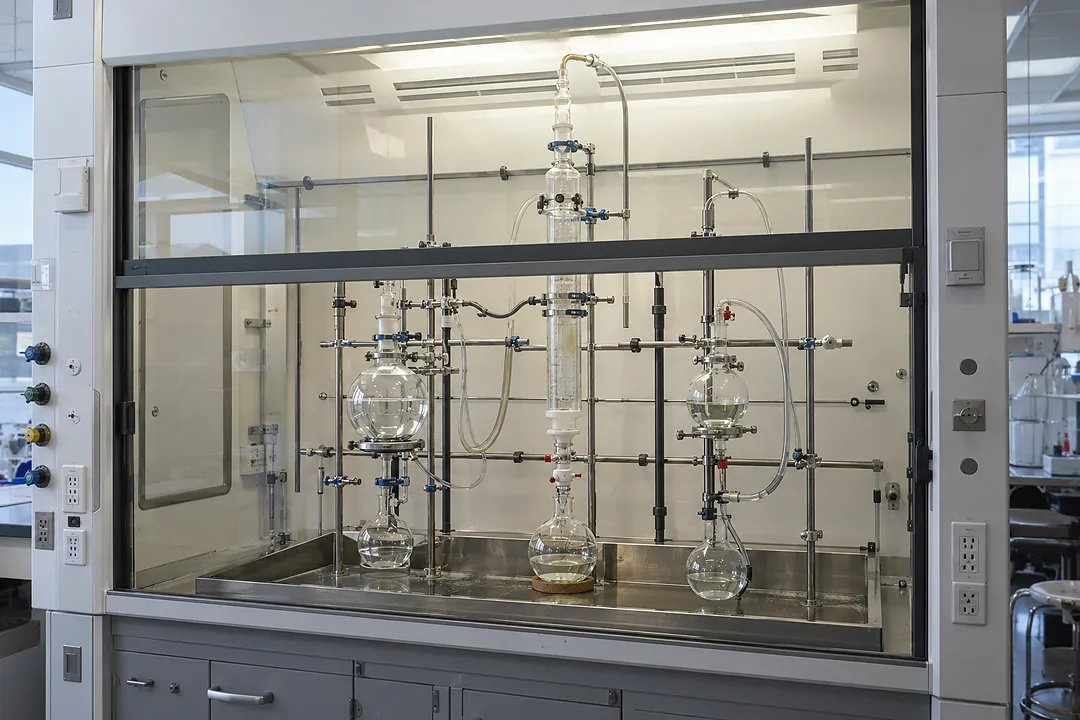
VOC trend to observe
VOC air trend during specialty formulation, filling and cleanup
Monitoring point
Selected air point near the formulation vessel or assessed filling-task enclosure boundary.
Placement & installation
Choose separate points when blending and filling have different airflow; provide protection from product mist and cleaning splash.
Project details
Formula/SDS, batch/filling sequence, solvent changes, enclosures, airflow, point count, expected level, cleaning and remote-history requirements.
Discuss this application

Pilot solvent-extraction laboratories

VOC air trend at assessed pilot solvent-extraction task boundaries
Pilot-scale solvent extraction apparatus inside a large industrial laboratory fume hood with organized glass and stainless vessels
Product reference: Hitelecom H Series TVOC monitor
TVOC AIR MONITORING

VOC air trend at assessed pilot solvent-extraction task boundaries

H Series product reference
Pilot solvent-extraction laboratories — illustrative industrial environment

Track local VOC air conditions around pilot solvent extraction, transfer and sample preparation inside an assessed laboratory enclosure. Compare process stages, solvent changes and sash or enclosure position with the air-trend record and separate ventilation checks. Identify the solvents and scale of the operation before choosing the monitoring configuration. A defined point at the task boundary can support review of organic-vapor changes, with any larger pilot apparatus, temporary hoses and classified-area requirements included explicitly in the installation design.

VOC trend to observe
VOC air trend at assessed pilot solvent-extraction task boundaries
Monitoring point
Selected air point near the extraction enclosure boundary, clear of liquid connections and direct hood exhaust.
Placement & installation
Assess pilot scale and ignition-risk zoning separately; confirm sampling materials, hose routing and the effect of hood airflow.
Project details
Solvent/SDS, extraction scale, apparatus/hoses, enclosure/sash states, ventilation, local classification, expected level, sampling route and model.
Discuss this application

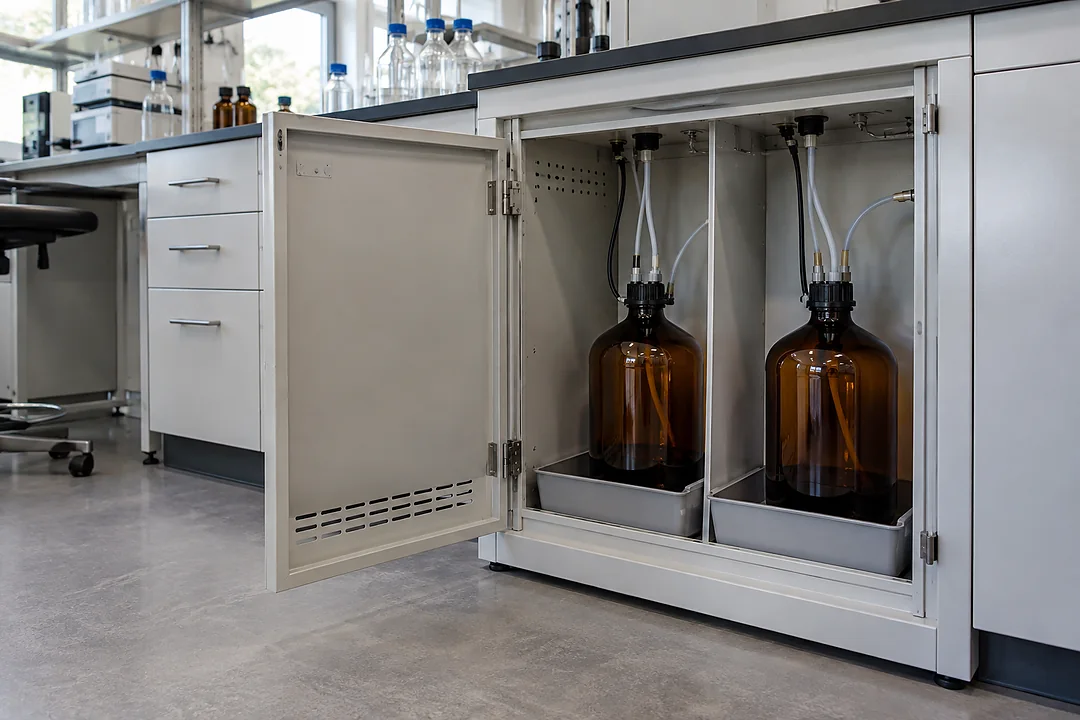
Analytical solvent handling

VOC air trend around analytical solvent preparation and bottle changes
Analytical laboratory chromatography solvent bottle and mobile-phase preparation station with closed bottles and local extraction
Product reference: Hitelecom H Series TVOC monitor
TVOC AIR MONITORING

VOC air trend around analytical solvent preparation and bottle changes

H Series product reference
Analytical solvent handling — illustrative industrial environment

Observe VOC air trends at an analytical laboratory’s defined solvent-bottle and mobile-phase preparation station. Compare refilling, bottle changes, instrument operation and small-volume preparation with room and local extraction conditions. The project should characterize the actual solvents and expected low-level response rather than infer compound identity from an aggregate reading. Select a representative air point and compatible configuration, then retain history to help the laboratory team review recurring handling patterns and changes in the station’s ventilation or operating practice.
VOC trend to observe
VOC air trend around analytical solvent preparation and bottle changes
Monitoring point
Defined air point near the assessed solvent preparation/bottle station, separate from instrument exhaust or direct spills.
Placement & installation
Use the laboratory’s task and ignition-risk assessment; keep mounting clear of sash movement, clean work surfaces and bottle access.
Project details
Mobile-phase/cleaner SDS, bottle volumes, preparation/refill schedule, local airflow, expected low-level range, response and history-review interval.
Discuss this application

Laboratory solvent-waste collection

VOC air trend around solvent-waste additions and container changes
Segregated industrial laboratory solvent-waste collection cabinet with closed compatible waste containers and clear access
Product reference: Hitelecom H Series TVOC monitor
TVOC AIR MONITORING

VOC air trend around solvent-waste additions and container changes

H Series product reference
Laboratory solvent-waste collection — illustrative industrial environment

Follow local VOC air conditions around a segregated laboratory solvent-waste collection station. Compare container changes, waste additions and inspection periods with the contents list and local ventilation to review the station’s organic-vapor pattern. A stable point near the assessed cabinet or collection boundary gives the team a consistent record across these intermittent tasks. Confirm the likely solvent mixture, container compatibility and sensing response before choosing the configuration and setting history or notifications for the laboratory’s waste-handling review.
VOC trend to observe
VOC air trend around solvent-waste additions and container changes
Monitoring point
Representative air near the assessed solvent-waste cabinet or collection-station boundary.
Placement & installation
Keep incompatible wastes segregated; protect the inlet from splash and qualify the actual cabinet/location installation requirements.
Project details
Waste solvents/SDS, segregation, container closures, change frequency, cabinet ventilation, classification, inlet protection, expected range and model response.
Discuss this application
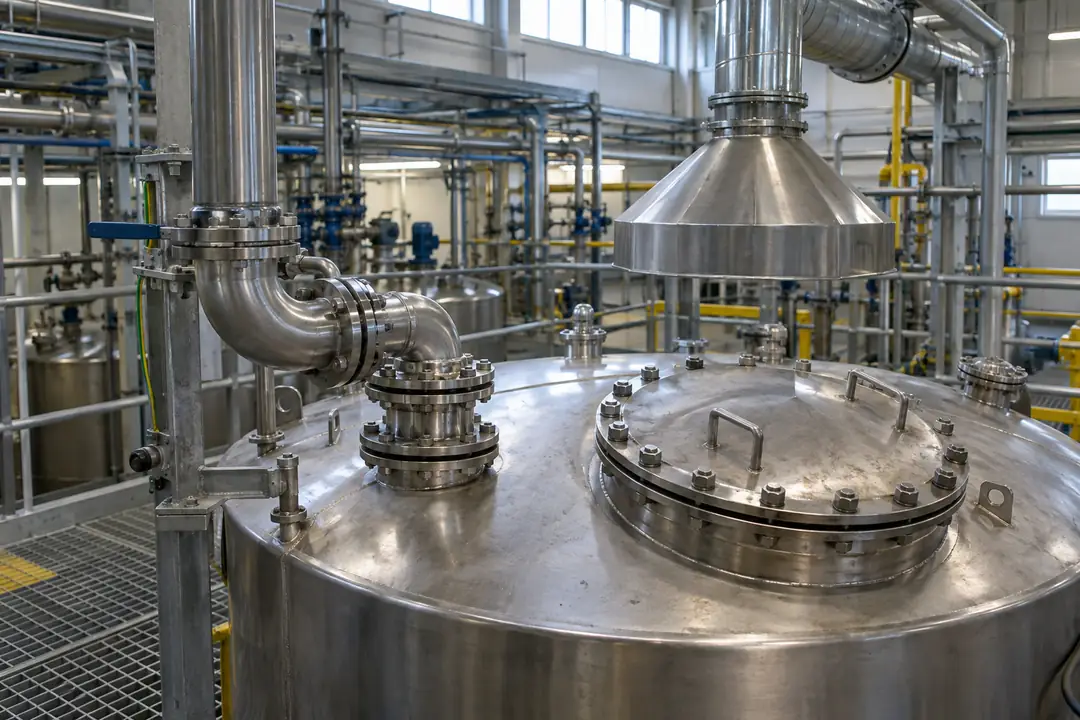
07VOC-bearing effluent & vapor treatment6 monitoring tasks
Closed industrial solvent-bearing effluent vessel with inspection hatch, inflow connection and local air extraction.
Solvent-bearing industrial effluent — closed inlet and tank-access work area, illustrated.

Define ambient VOC monitoring around confirmed solvent-bearing industrial waste streams and organic-vapor treatment interfaces.

Solvent-bearing effluent equalization

VOC air trend around characterized solvent-bearing effluent equalization
Closed industrial solvent-bearing effluent vessel with inspection hatch, inflow connection and local air extraction.
Product reference: Hitelecom H Series TVOC monitor
TVOC AIR MONITORING

VOC air trend around characterized solvent-bearing effluent equalization

H Series product reference
Solvent-bearing industrial effluent — closed inlet and tank-access work area, illustrated.

Track VOC air trends beside an industrial equalization tank when incoming wastewater is known to contain volatile organic compounds. Relate the local record to production discharges, tank agitation, cover openings and extraction operation to understand changing transfer conditions. Define the relevant VOC fraction and expected air level before selecting the sensing configuration. Choose points from the actual tank and walkway airflow, with protection from moisture, so history can support review of solvent-bearing effluent batches and recurring access tasks.
VOC trend to observe
VOC air trend around characterized solvent-bearing effluent equalization
Monitoring point
Selected ambient-air point near the covered tank access or assessed walkway boundary, clear of direct vent discharge.
Placement & installation
Protect from condensation, spray and corrosion; assess the organic-vapor mixture, local airflow and any actual classified-area requirements.
Project details
Effluent VOC composition, batch sources, tank agitation, cover/extraction states, humidity, sampling materials, expected range and point layout.
Discuss this application

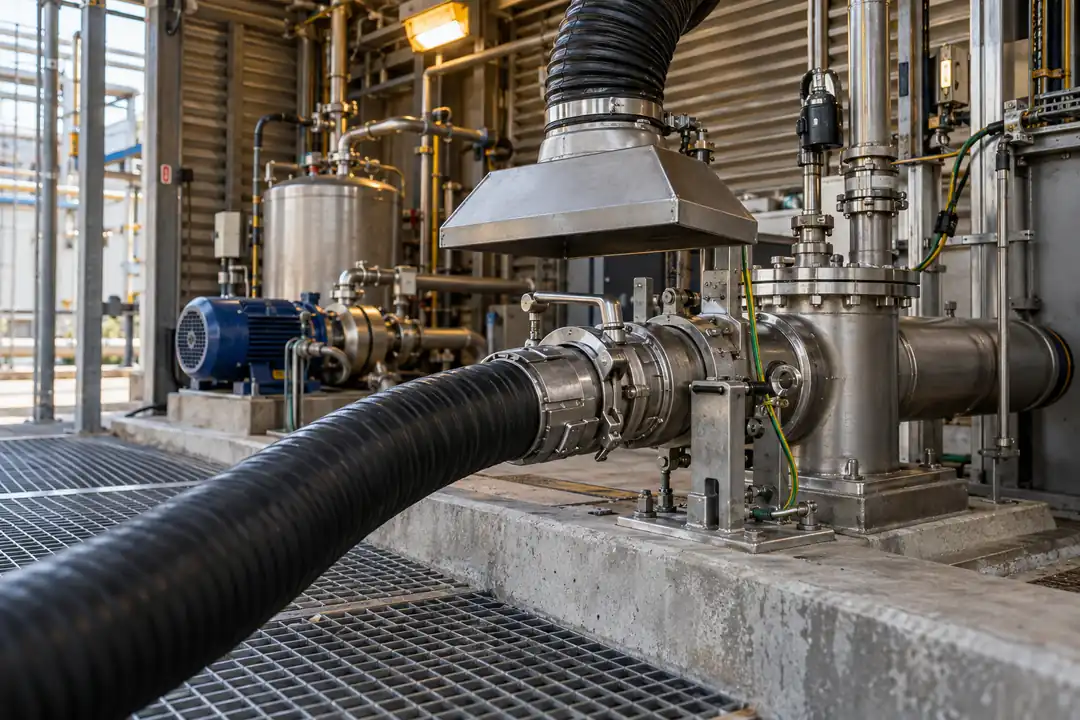
Solvent-bearing effluent transfer

VOC air trend around solvent-bearing effluent collection and pumping
Closed transfer hose coupling and receiver manifold under local extraction in an industrial effluent station.
Product reference: Hitelecom H Series TVOC monitor
TVOC AIR MONITORING

VOC air trend around solvent-bearing effluent collection and pumping

H Series product reference
Solvent-bearing industrial effluent transfer — enclosed service coupling, illustrated.

Observe local VOC air conditions around covered collection and transfer equipment handling characterized solvent-bearing industrial effluent. Compare pumping cycles, incoming batch changes and enclosure access with the trend at a defined station boundary. Use the wastewater’s actual organic constituents and air conditions to qualify sensor response, range and inlet protection. A time-aligned record can help the treatment team investigate changes around recurring transfer tasks, with moisture, sample transport and the station’s extraction arrangement included in the project design.
VOC trend to observe
VOC air trend around solvent-bearing effluent collection and pumping
Monitoring point
Representative air near the enclosed transfer-station access or pump-service boundary, outside wet-spray and direct vent paths.
Placement & installation
Specify condensation management and compatible sampling materials; determine the actual area classification and service-access constraints.
Project details
Effluent VOC fraction, transfer duty, enclosure/extraction, humidity, corrosion, expected levels, local classification and exact monitoring configuration.
Discuss this application

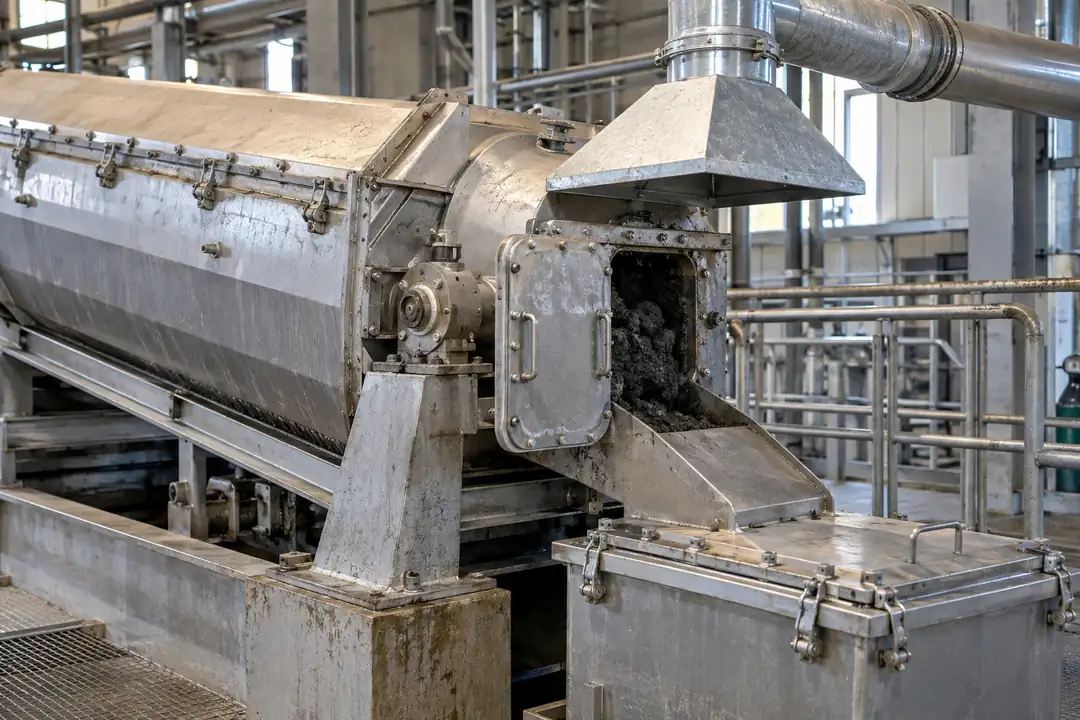
Solvent-bearing sludge dewatering

Characterized VOC air trend around industrial sludge press and discharge tasks
Covered industrial sludge press discharge with service opening and local vapor extraction hood.
Product reference: Hitelecom H Series TVOC monitor
TVOC AIR MONITORING

Characterized VOC air trend around industrial sludge press and discharge tasks

H Series product reference
Solvent-bearing industrial sludge — cake-discharge service interface, illustrated.

Build a local VOC air-trend record around sludge dewatering where the assessed industrial waste stream contains relevant residual organic solvents. Compare feed batches, press operation, cake discharge and wash cycles with building extraction to review task-related changes. Establish the actual VOC fraction first because waste-treatment air can contain many other substances. Select a configuration suitable for that fraction and protect the inlet from wet aerosol and contamination, then retain history with the dewatering operating state and waste-batch identity.
VOC trend to observe
Characterized VOC air trend around industrial sludge press and discharge tasks
Monitoring point
Defined air point at the assessed dewatering enclosure or cake-discharge work-area boundary.
Placement & installation
Keep inlets away from wet cake, sprays and dust; assess sampling conditioning, humidity and actual location classification.
Project details
Sludge VOC composition, feed source, dewatering cycle, washdown, aerosol/dust, extraction, expected VOC level, inlet conditioning and model response.
Discuss this application

VOC carbon-adsorber service areas

Ambient VOC trend around carbon-adsorber equipment and service interfaces
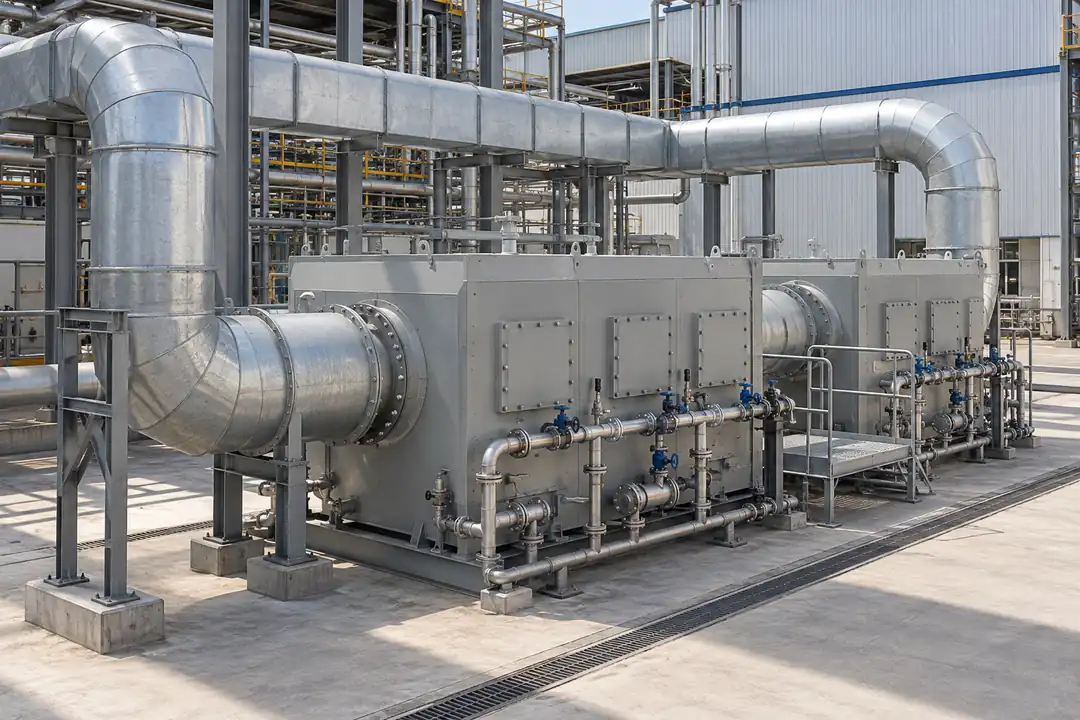
Organic-vapor carbon adsorber bank with connected air ducts, removable bed-access panels and external service valves.
Product reference: Hitelecom H Series TVOC monitor
TVOC AIR MONITORING

Ambient VOC trend around carbon-adsorber equipment and service interfaces

H Series product reference
Organic-vapor activated-carbon adsorption — external duct and service connections, illustrated.

Follow ambient VOC trends around the accessible joints, valves and service interfaces of a solvent-vapor carbon-adsorption system. Compare adsorption, regeneration and maintenance states with the selected point’s history to review local organic-vapor changes near the equipment. Identify the actual captured solvents and expected ambient range when qualifying the configuration and sample arrangement. This task focuses on the service-area air record; evaluating bed breakthrough or treatment performance requires the separately specified outlet and process instrumentation appropriate to that control system.
VOC trend to observe
Ambient VOC trend around carbon-adsorber equipment and service interfaces
Monitoring point
Assessed air point near accessible external connections and service boundaries, separate from regeneration discharge.
Placement & installation
Protect from steam, heat and carbon dust; include regeneration states and the actual equipment-area classification in sampling design.
Project details
Captured solvents/SDS, bed cycles, service joints, regeneration heat/moisture, airflow, expected ambient level, area requirements and model response.
Discuss this application

VOC abatement duct & flange areas

Ambient VOC trend around selected upstream abatement duct joints
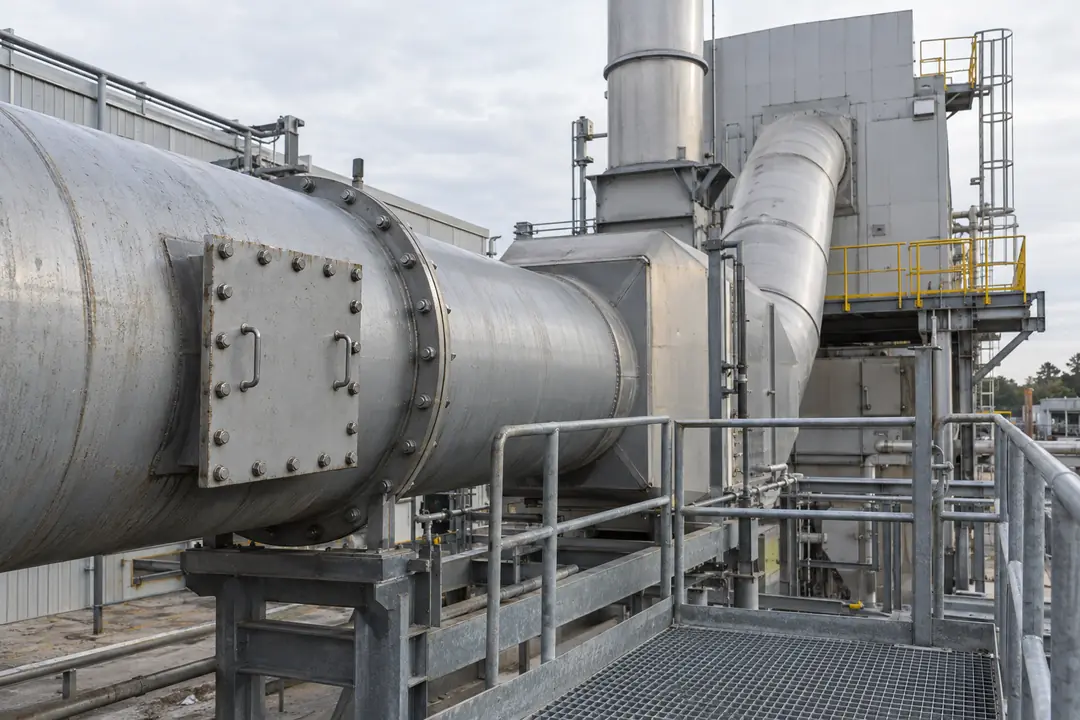
Accessible external inlet-duct flange and grated inspection area upstream of an industrial organic-vapor thermal oxidizer
Product reference: Hitelecom H Series TVOC monitor
TVOC AIR MONITORING

Ambient VOC trend around selected upstream abatement duct joints

H Series product reference
VOC abatement duct & flange areas — illustrative upstream air-duct service position

Observe ambient VOC air trends around selected external duct joints and service positions upstream of a thermal oxidizer. Compare the record with production loading, extraction-fan state and planned flange or duct maintenance to support focused inspection of the selected area. Confirm the organic-vapor mixture and anticipated ambient concentrations before specifying the configuration. Place the point outside hot exhaust and direct process streams, with a qualified installation that gives the maintenance team usable local history alongside the oxidizer’s dedicated operating instrumentation.

VOC trend to observe
Ambient VOC trend around selected upstream abatement duct joints
Monitoring point
Defined air point near an assessed external inlet-duct flange/service boundary, outside hot exhaust or process gas flow.
Placement & installation
Respect hot surfaces and service access; qualify any remote sample route for temperature, solvent compatibility and actual area requirements.
Project details
Process solvents, duct pressure/temperature, flange location, fan/production states, local airflow, expected ambient level, sampling route and model.
Discuss this application

Organic-vapor absorber service areas

Ambient VOC trend around organic-vapor scrubber service interfaces
Closed organic-vapor exhaust duct entering a wet absorption tower beside its accessible external service platform
Product reference: Hitelecom H Series TVOC monitor
TVOC AIR MONITORING

Ambient VOC trend around organic-vapor scrubber service interfaces

H Series product reference
VOC absorber & scrubber service — illustrative external organic-vapor inlet interface

Record local VOC air conditions around an absorber or wet scrubber that treats a specifically identified organic-vapor stream. Compare pump operation, liquor changes, connection maintenance and enclosure access with the service-area trend. Start with the process VOCs and absorbent chemistry to assess sensor response, moisture effects and material compatibility. A defined ambient point can help the team review local changes near service interfaces, while scrubber effectiveness is assessed through the control system’s separately specified liquid, gas and outlet measurements.
VOC trend to observe
Ambient VOC trend around organic-vapor scrubber service interfaces
Monitoring point
Representative air near external pump, flange or service-deck task boundaries, away from mist outlets and direct blowdown.
Placement & installation
Protect from corrosive mist, splash and condensation; specify suitable sampling materials and review actual installation-area requirements.
Project details
Identified process VOCs, absorbent/SDS, pump/liquor states, mist/humidity, airflow, expected ambient level, materials and exact configuration.
Discuss this application
08Solvent recovery & reuse6 monitoring tasks
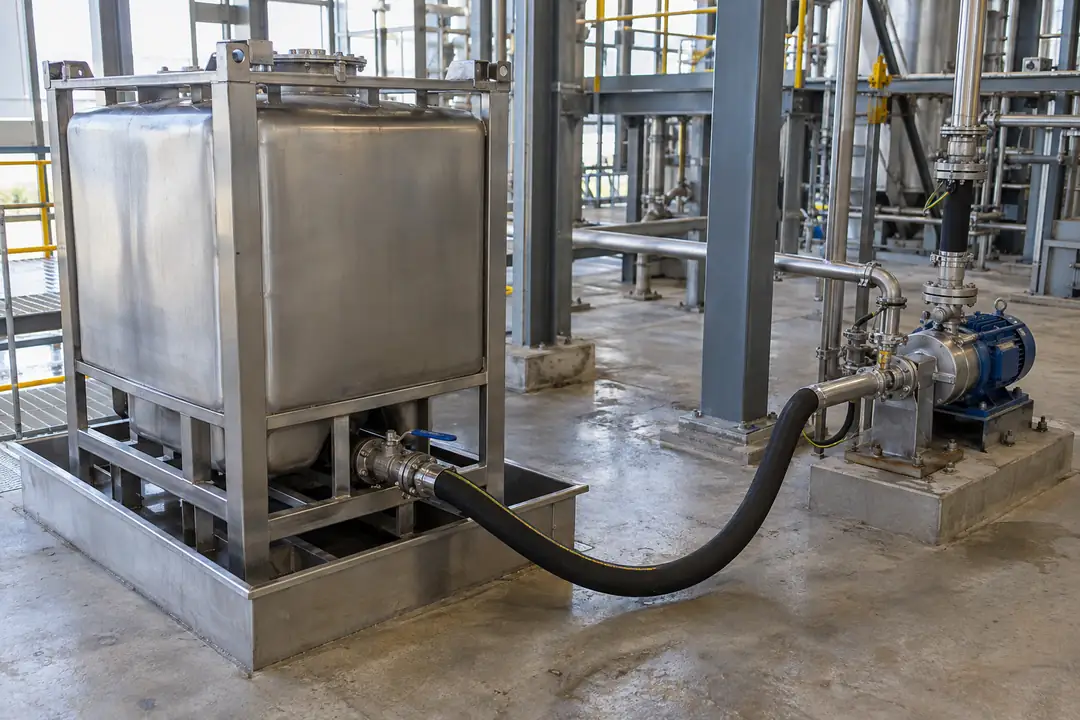
Spent-solvent tote connected to an enclosed industrial recovery feed system with filter and transfer pipework
Spent-solvent feed preparation — illustrative industrial environment

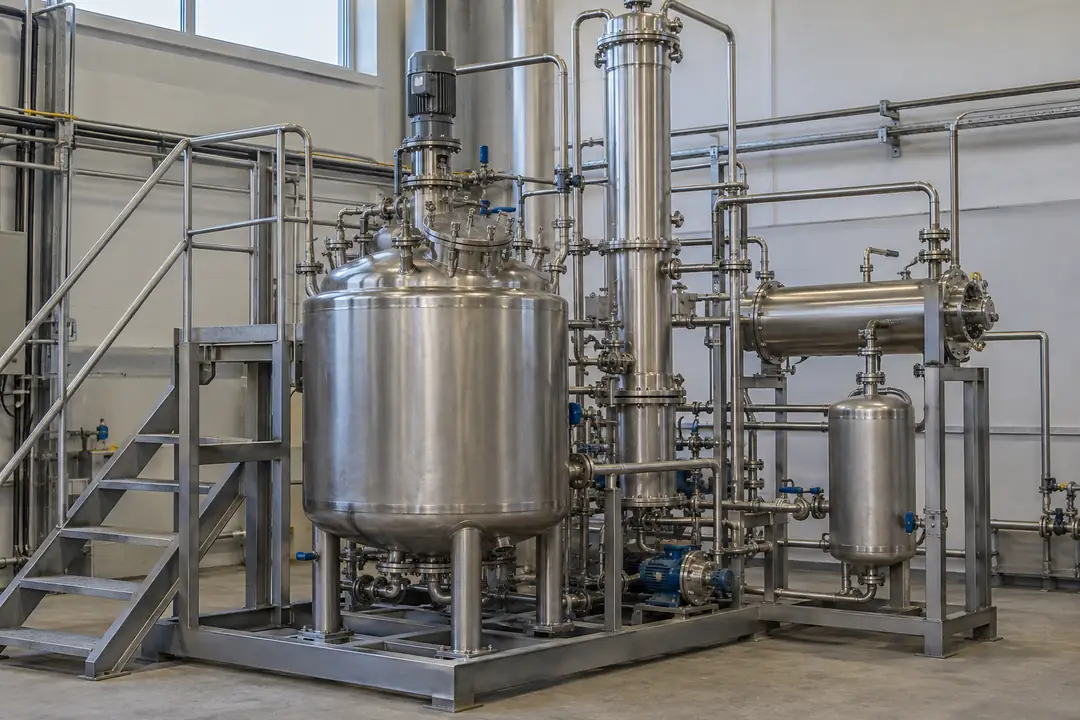
Follow local solvent-air trends through recovery feed handling, distillation interfaces, recovered-liquid packaging and return to production.

Spent-solvent feed preparation

VOC air trend during spent-solvent feed connection and charging
Spent-solvent tote connected to an enclosed industrial recovery feed system with filter and transfer pipework
Product reference: Hitelecom H Series TVOC monitor
TVOC AIR MONITORING

VOC air trend during spent-solvent feed connection and charging

H Series product reference
Spent-solvent feed preparation — illustrative industrial environment

Track VOC air trends where spent solvent is connected, filtered and charged into a recovery feed system. Compare the local record with incoming waste composition, tote changes, feed-pump operation and enclosure access. Identify the solvents and expected concentration at the air point before selecting the configuration, since recovery feed may vary between production campaigns. Use a protected, repeatable point around the actual connection task, then configure history to help the team review feed-handling changes and investigate unusual batch-related trends.
VOC trend to observe
VOC air trend during spent-solvent feed connection and charging
Monitoring point
Selected air point near the assessed tote/feed connection or feed-preparation enclosure boundary.
Placement & installation
Protect from dirty-solvent splash and residue; qualify the connection-area classification, sampling materials and peak concentration range.
Project details
Spent-solvent composition/SDS, feed filtering, tote changes, transfer rate, enclosure airflow, local classification, expected peaks and configuration.
Discuss this application

Solvent recovery distillation

Ambient VOC trend around closed solvent-distillation equipment interfaces
Compact industrial solvent recovery distillation still with closed vessels and organized heating and transfer connections
Product reference: Hitelecom H Series TVOC monitor
TVOC AIR MONITORING

Ambient VOC trend around closed solvent-distillation equipment interfaces

H Series product reference
Solvent recovery distillation — illustrative industrial environment

Observe ambient VOC air trends around a closed solvent-recovery still and its routine charge or service interfaces. Relate changes to heat-up, steady recovery, cooling and vessel-access stages so the history has clear operating context. Use the actual solvent composition, operating temperatures and local airflow to qualify the monitoring point and configuration. Keep the sensing arrangement within its rated conditions, with engineered sampling where needed, and retain a local record that supports review of recurring recovery-operation and maintenance tasks.
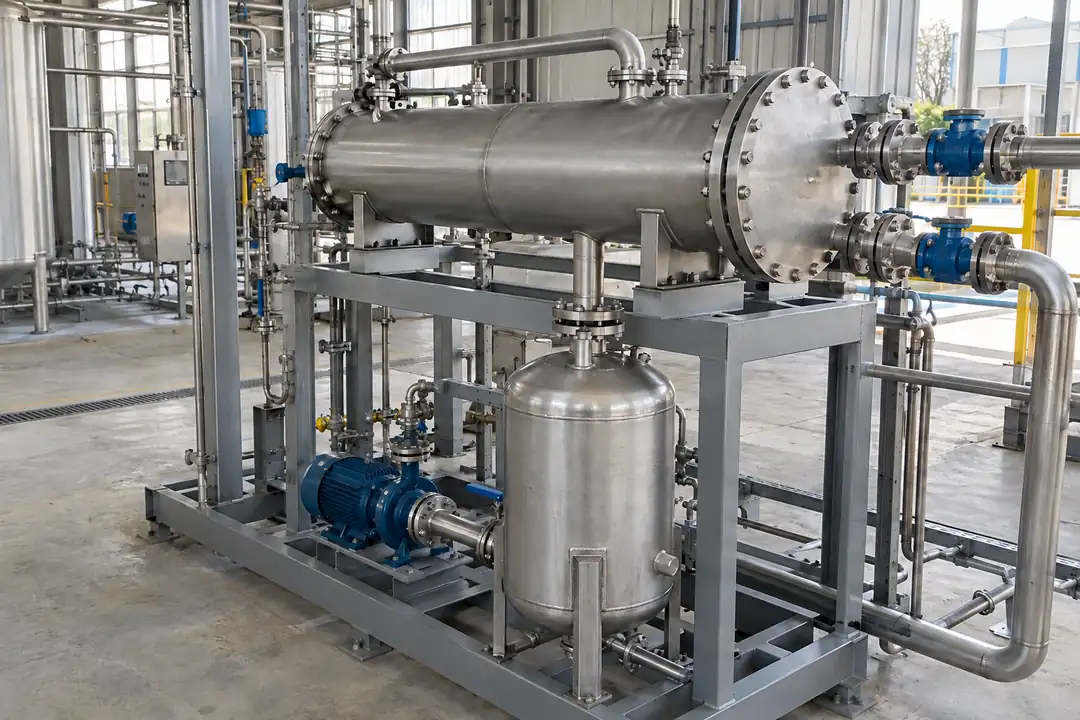
VOC trend to observe
Ambient VOC trend around closed solvent-distillation equipment interfaces
Monitoring point
Assessed external air point near charge/service connections, separate from the process vapor and hot vent streams.
Placement & installation
Account for heat, condensate and actual classified-area requirements; qualify any remote sample line and response delay.
Project details
Solvent mix/SDS, batch/continuous cycle, temperature/vacuum states, connection tasks, airflow, local range, sampling route and exact model.
Discuss this application

Recovery condensers & receivers

Ambient VOC trend around recovery condenser and liquid-receiver interfaces
Industrial solvent recovery condenser and liquid receiver skid with cooling-water and recovered-liquid connections
Product reference: Hitelecom H Series TVOC monitor
TVOC AIR MONITORING

Ambient VOC trend around recovery condenser and liquid-receiver interfaces

H Series product reference
Recovery condensers & receivers — illustrative industrial environment

Build an ambient VOC trend record around the condenser, liquid receiver and accessible connections of a solvent-recovery unit. Compare the history with recovery rate, receiver filling, cooling state and scheduled service to review local organic-vapor changes. Define the actual solvent mixture and likely air concentrations before selecting a suitable configuration. A protected point outside direct process discharge can provide consistent local history, with sample materials and moisture management chosen for the receiver area and its operating conditions.
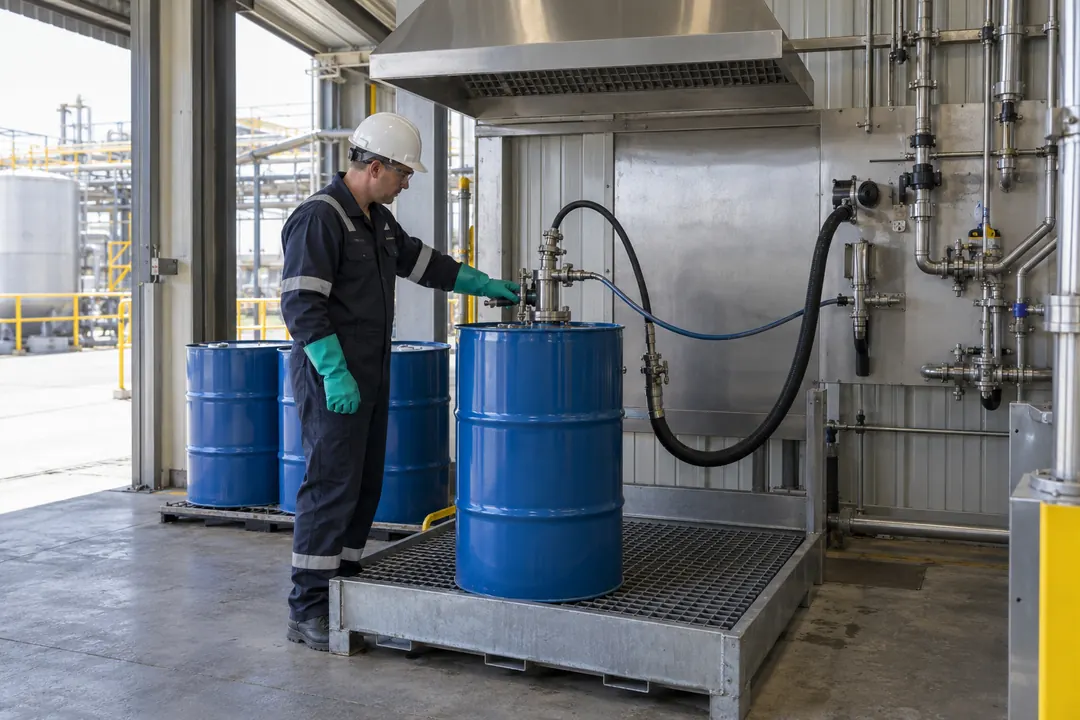
VOC trend to observe
Ambient VOC trend around recovery condenser and liquid-receiver interfaces
Monitoring point
Selected external air position near receiver connections or assessed condenser-service boundary, away from noncondensable vents.
Placement & installation
Manage condensation and temperature exposure; qualify the inlet or remote-sampling route for the solvents and actual area classification.
Project details
Recovered solvents/SDS, cooling/receiver cycle, vent routing, external connection geometry, humidity, expected ambient range and selected model.
Discuss this application

Recovered-solvent drum filling

VOC air trend during recovered-solvent packaging and changeover
Covered recovered-solvent drum filling station with closed filling head and clean industrial steel drums
Product reference: Hitelecom H Series TVOC monitor
TVOC AIR MONITORING

VOC air trend during recovered-solvent packaging and changeover

H Series product reference
Recovered-solvent drum filling — illustrative industrial environment

Follow VOC air trends during recovered-solvent drum filling, closure and container changeover. Compare each filling sequence with solvent identity, fill rate and extraction status to give the team a consistent record of the handling task. The sensing point should represent the assessed filling boundary, with inlet protection suited to splashing and concentration changes. Qualify response to the recovered mixture before configuring history and notifications, especially when recovery campaigns change the composition of the liquid being packaged for reuse.
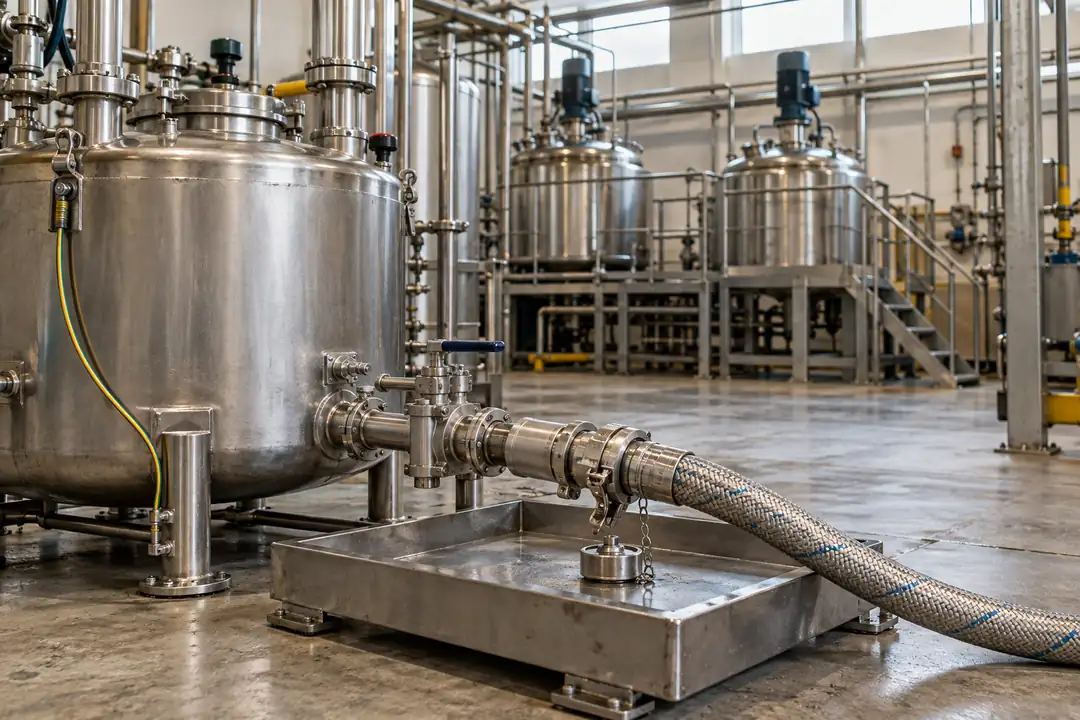
VOC trend to observe
VOC air trend during recovered-solvent packaging and changeover
Monitoring point
Representative air outside the covered filling enclosure and assessed drum-connection task boundary.
Placement & installation
Protect from liquid splash and container impact; assess filling peaks, capture airflow and the actual location’s equipment requirements.
Project details
Recovered-mixture/SDS, filling rate, drum size, closure/change sequence, extraction, peak level, local classification and configuration response.
Discuss this application

Reclaimed-solvent transfer connections

VOC air trend around reclaimed-solvent storage and production-return interfaces
Closed reclaimed-solvent day-tank transfer coupling and return hose beside formulation production vessels
Product reference: Hitelecom H Series TVOC monitor
TVOC AIR MONITORING

VOC air trend around reclaimed-solvent storage and production-return interfaces

H Series product reference
Reclaimed-solvent return loops — illustrative closed solvent-transfer connection

Observe local VOC air conditions around a reclaimed-solvent day tank and its return connection to production. Relate the trend to tank replenishment, recirculation, process demand and planned connection work so normal operating patterns can be compared over time. Identify the reused mixture and expected air level before choosing the configuration and point. Retained history can support the team’s review of local solvent-handling changes as recovery campaigns or production recipes vary, with installation designed around the actual tank and transfer layout.

VOC trend to observe
VOC air trend around reclaimed-solvent storage and production-return interfaces
Monitoring point
Defined ambient-air point near selected day-tank/return-line connections, separate from direct tank vents.
Placement & installation
Assess local airflow, weather exposure and any classified location; use compatible sampling materials and accessible protected mounting.
Project details
Reclaimed-solvent mixture/SDS, day-tank duty, replenishment/return states, vent routing, airflow, expected level, area requirements and exact model.
Discuss this application

Reclaimed-solvent QC sample handling

VOC air trend around reclaimed-solvent QC sampling and preparation
Reclaimed-solvent quality-control sampling enclosure with closed sample bottles and organized industrial laboratory tools
Product reference: Hitelecom H Series TVOC monitor
TVOC AIR MONITORING

VOC air trend around reclaimed-solvent QC sampling and preparation

H Series product reference
Reclaimed-solvent QC sample handling — illustrative industrial environment

Record VOC air changes during reclaimed-solvent sample collection and preparation for quality testing. Compare bottle filling, transfer, enclosure access and cleanup with the sampled solvent identity and local extraction. A defined air point provides a repeatable task-area record as recovery campaigns change, after response and expected range are assessed. The project measures the organic-vapor trend around sample handling; the recovered liquid’s purity and suitability for reuse are established through the laboratory’s separate analytical tests and approved quality procedures.

VOC trend to observe
VOC air trend around reclaimed-solvent QC sampling and preparation
Monitoring point
Selected air position outside the assessed sample enclosure or solvent-preparation task boundary.
Placement & installation
Keep the inlet clear of spills and analytical exhaust; qualify cleanable mounting, sampling materials and the actual station requirements.
Project details
Sampled solvents/SDS, bottle volume, collection/preparation tasks, enclosure airflow, expected range, cleaning, classification and history-review needs.
Discuss this application

SERIES & CONFIGURATIONS

One project brief.
The appropriate configuration.

H200, H300 and H500 are the published TVOC model family. Select the sensing response, product form, mounting, power and connectivity together using your monitoring objective and installation requirements.

H Series industrial TVOC sensors — published family reference
Published modelsH200 / H300 / H500
Measuring range0–100,000 ppb (0–100 ppm)
Resolution1 ppb; separate from accuracy and detection limit
Sensing principleElectrochemical or PID, by selected configuration
Wireless variants4G LTE / NB-IoT / LoRa, by selected configuration
Cellular data protocolMQTT; confirm the receiving platform and integration requirements
EnclosureIP68 customization listed; confirm the supplied enclosure
Local configurationNFC activation and local setup
Power supplyExternal 9–24 V; match the power wiring to the ordered installation requirements
Mounting optionsEar mount / duct mount
Published LTE bandsLTE-TDD B34/B38/B39/B40/B41; LTE-FDD B1/B3/B5/B8. Confirm regional network and modem support.

Bring the specification back to your project.

01

Define the compounds

Chemical names and CAS numbers · Expected mixture and range · Calibration basis · Required performance

02

Define the installation

Point locations · Enclosure and mounting · Environment · Power arrangement · Required area approval where applicable

03

Define the data path

4G LTE, NB-IoT or LoRa variant · Sensing and reporting · Receiving platform · Alert workflow

CONNECTIVITY & INTEGRATION

Your site.
Your data destination.

The published cellular configuration lists MQTT delivery to Hitelecom Cloud or private platforms. Confirm message format, authentication and endpoint requirements with the order. For LoRa, agree the radio protocol, gateway and server path for the supplied variant.

4G / NB-IoT

For distributed locations

TVOC pointMobile networkYour platform

Select the modem and regional bands around operator availability and coverage at the transmitter position. Agree the reporting profile, power arrangement and notification workflow.

  • Installation country and operator
  • Signal at the actual mounting position
  • Sampling, reporting and required alert response
LoRa

For points across one site

TVOC pointsReceiver / gatewayYour platform

Match the supplied radio protocol, regional settings and receiver or gateway. Specify any LoRaWAN requirement with the model and complete onward connection.

  • Device protocol and gateway compatibility
  • Site layout and radio coverage
  • Gateway power and onward data connection

Make the first reading useful.

Agree device identity, monitoring-point reference, concentration units, calibration basis and timestamps in a sample message. Check the endpoint and supported authentication, then test the complete path to the intended platform and recipients.

Discuss platform integration ↗

ANSWERS FOR YOUR PROJECT

Frequently
asked questions.

Practical answers for choosing industrial TVOC sensing, planning the monitoring points and connecting the data.

Ask about your project ↗
Which VOCs can this TVOC sensor measure?

Start with the chemical names, CAS numbers and expected mixture. The sensing configuration must be checked against those compounds. For PID configurations, response depends on lamp energy and chemical response factors; a PID does not identify each component of an unknown mixture. Ask for the selected sensor's compatibility and calibration information.

How is TVOC different from a gas-specific reading or %LEL?

TVOC provides an overall response to detectable compounds, while a gas-specific measurement targets an identified substance. %LEL describes flammable-gas concentration relative to its lower explosive limit. These measurements support different decisions. Compound-specific exposure assessment also uses defined averaging periods, so a mixed TVOC value alone cannot establish occupational exposure compliance.

Does 1 ppb resolution mean 1 ppb accuracy?

Resolution describes the smallest reported increment. Accuracy describes how closely the result agrees with the reference concentration; detection limit and response time are additional specifications. Ask for those values for the selected configuration, target gas and operating conditions when evaluating your application.

How do I specify an explosion-proof TVOC sensor for my site?

Share the site's area classification, required approval and installation conditions. Review the ordered equipment's Ex marking, certificate scope, ambient limits and any special conditions against those requirements. Include the gas or dust group, temperature class and the complete power, enclosure and accessory configuration. Have the site's responsible engineer confirm suitability before installation.

Where should a fixed TVOC sensor be installed, and how many do I need?

Place monitoring points using an assessment of release sources, vapor dispersion, airflow, obstructions and the purpose of the measurement. A point sensor reports the air at its location, so there is no universal coverage radius or mounting height. Have a qualified site engineer set the layout, and allow access for inspection and calibration.

How should calibration and maintenance be planned?

Use the instructions for the ordered sensing element. Agree the calibration gas, reference basis, function checks and service intervals before commissioning. Dust, contamination and operating conditions can change performance. For PID configurations, lamp condition and the applied response factor also matter. Keep calibration and inspection records for each monitoring point.

How do I choose TVOC thresholds and use remote alerts?

Base thresholds on the process, target compounds, calibration basis and monitoring objective. Establish normal operating readings and define who investigates an alert and what action they take. Test the complete notification path during commissioning. Reassess the settings when solvents, ventilation or the process change.

How do reporting intervals affect power demand and alert timing?

Sensing, reporting and notification timing are separate requirements to confirm. Faster sampling or transmission increases power demand; weak coverage and retries also extend update timing. Confirm the selected sensing configuration's supply requirements, including PID operation where specified. Verify end-to-end update and alert timing during commissioning.

How do I choose LoRa, 4G LTE or NB-IoT for an industrial site?

Check coverage at the mounting point and agree the destination platform, required update interval and integration responsibilities. Cellular configurations list MQTT support. For LoRa projects, confirm the gateway, network and payload requirements with the quotation. Record these details in the deployment plan so commissioning can verify data delivery.

What information should I send for a TVOC monitoring quotation?

Send the chemical list or SDS, expected concentrations, monitoring objective, number and locations of points, temperature and humidity, mounting and enclosure needs, wireless coverage and required update timing. For a classified location, add the area classification and required approval. Include the receiving platform and any project documentation requirements.

LET'S TALK ABOUT YOUR PROJECT

Specify the compounds.
Build the monitoring plan.

Tell us what your process handles, where you need readings and how your team will use the data. Hitelecom can review the appropriate sensing configuration, installation requirements and quotation.

sales@hitelecom.cn ↗

Your chemicals. Your site requirements.

An SDS, chemical list or site drawing helps define the monitoring points. Include explosion-proof project requirements and the area classification where applicable.

PROJECT ENQUIRY

Let’s define your TVOC configuration.

Start with your application. Add the details you already know.

Installation, approval & data requirements

Review your brief, then send it with your email app.

You can also email your project details directly.