

Temperature, humidity
and light sensor.
Indoor conditions.
Connected to your team.

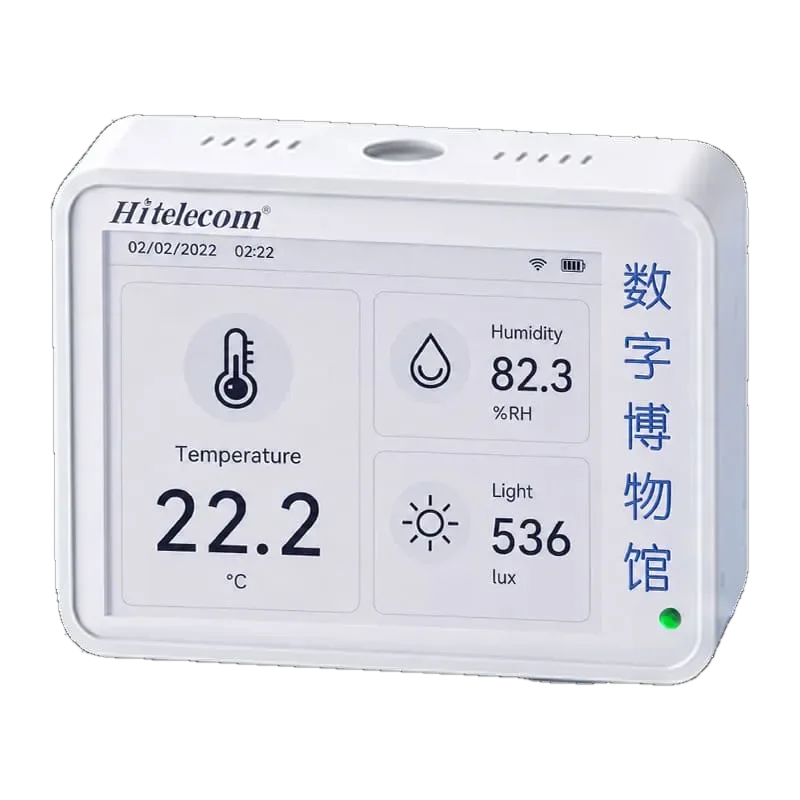
Hitelecom indoor temperature, relative humidity and light sensor with integrated LCD display, official product image
Integrated indoor sensor · Display configuration

The Hitelecom H Series temperature, humidity and light sensor measures local air temperature, relative humidity and illuminance for indoor monitoring. Designed for museums, galleries, archives and other managed spaces, it connects conditions at selected points with remote review and configured alerts. Custom sensor configurations can be discussed for additional sensing and installation requirements. Choose H200 LoRa, H300 4G or H500 NB-IoT, then match the sensing layout, light measurement and reporting profile to your project.

°CTemperatureLocal indoor conditions
%RHRelative humidityMoisture in the surrounding air
luxIlluminanceLight at the sensing position

KEY FEATURES

Three measurements.
One clear view of the space.

Connect room conditions, collection environments and light exposure with the people responsible for them.

Temperature. Humidity. Light.

Three complementary measurements help teams understand the conditions around collections, stored materials and occupied rooms.

Measure where it matters

Plan positions around display areas, cases, shelving and room zones. Select the sensing arrangement for the conditions you want to observe.

Your monitoring targets

Agree temperature and humidity limits with the people responsible for the space or collection, then configure the alert workflow.

Three wireless choices

H200 LoRa, H300 4G and H500 NB-IoT support different site networks and deployment plans.

Custom sensors for your project

Match the sensing channels, product form and mounting arrangement to your space. Share your requirements for a project-specific configuration.

Remote project visibility

Connect to Hitelecom Platform or an agreed customer platform for measurement review and configured temperature and humidity alerts.

TEMPERATURE · HUMIDITY · LIGHT · CUSTOM SENSING

See the conditions.
Understand the context.

Room averages tell part of the story. Conditions beside an exhibit, within a display case or near stored materials can differ. A useful monitoring plan identifies both the place being measured and the decision each reading will support.

01

Air temperature

Observe local air conditions through occupied hours, overnight operation and seasonal changes. Use comparable positions when reviewing different room zones.

Define your measurement
Specify the expected environment, required accuracy and sensing arrangement.
Discuss this measurement ↗
02

Relative humidity

Follow moisture conditions around the collection or stored material. Review the level and its changes together with temperature and the site's environmental targets.

Define your measurement
Identify the room, case or storage zone and the materials it contains.
Discuss this measurement ↗
03

Illuminance · lux

Measure the visible light falling on the selected sensing plane. For exhibits, agree a position and orientation that represent the illuminated object or display area.

Define your measurement
Specify the expected light levels, required range and accuracy, and sensing orientation.
Discuss this measurement ↗
04

Custom sensors

Configure sensing channels, product form and installation for your project. Share the measurements you need so we can define a suitable sensor design and confirm its specification.

Define your measurement
List the measurements, expected conditions, required performance, mounting constraints and platform interface.
Discuss this measurement ↗
SENSING & INSTALLATION

Choose a representative position.
Keep the light path clear.

Mark each monitoring point on a room or case plan. For air measurements, choose exposure that represents the monitored zone and account for nearby vents, doors and heat sources. For illuminance, keep the sensing face unobstructed and record its orientation. Agree reversible mounting for heritage interiors and collection spaces.

FROM READING TO RESPONSE

From room conditions.
To a considered response.

Build the monitoring profile around the change you want to see. The measurement interval defines when readings are taken; the reporting interval defines when data reaches the platform. Specify both alongside your alert and battery requirements.

01

Define the points

Identify rooms, cases and material zones. Record the purpose and location of each sensing point.

02

Set the profile

Agree measurement and reporting intervals, channel specifications and temperature and humidity alert targets.

03

Review the conditions

Use readings alongside the lighting schedule, room operation and collection-care plan to decide what to investigate or adjust.

CONFIGURATION & OPERATING PROFILEMatched to your site. Agreed for your project.

The published reference configuration is designed for more than 10 years with 10-minute sampling and reporting every four hours. Sampling and reporting intervals can be agreed for the project, and actual service life depends on the battery pack, selected sensor channels, operating temperature and radio conditions. For a temperature, humidity and light installation, confirm the battery plan against the final channel list, reporting profile, operating temperature and network conditions.

APPLICATIONS

Indoor spaces. Different priorities.
The right conditions, at the right point.

Explore 48 monitoring tasks across eight indoor environments, from museum cases and archives to laboratories, sensitive storage and working rooms. Each task identifies what to observe, where to position the sensing point and how the readings support your team.

8 industry categories 48 monitoring tasks

Scenes illustrate installation environments. Measurement channels and positions are selected for each project.
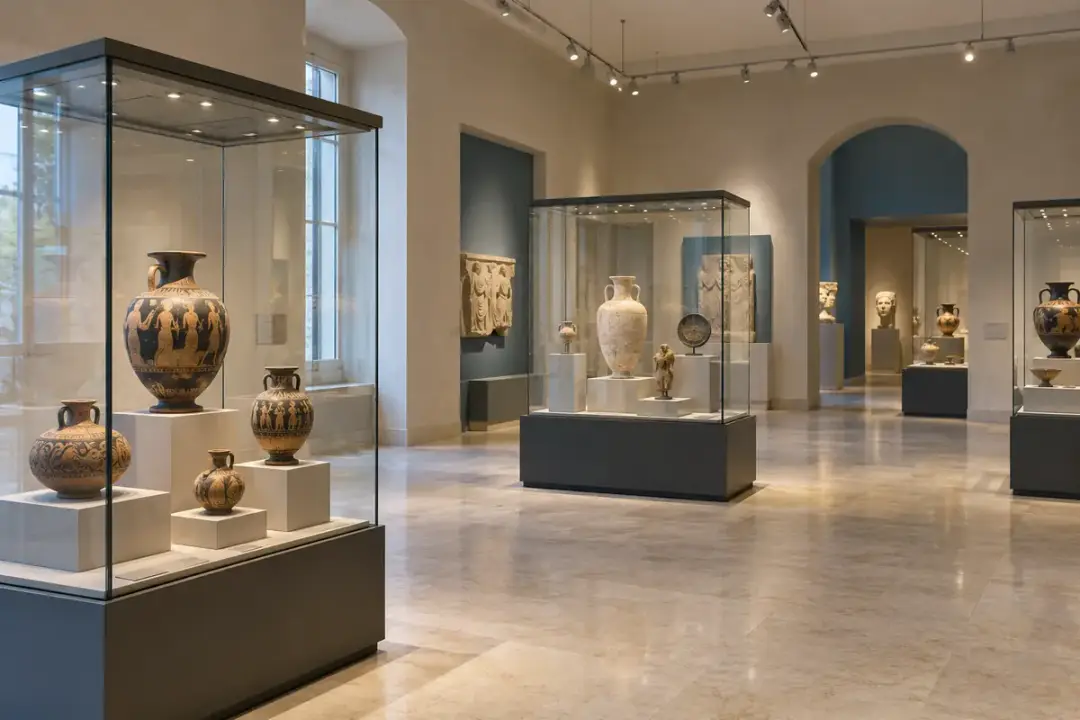
01Museums & display cases6 monitoring tasks
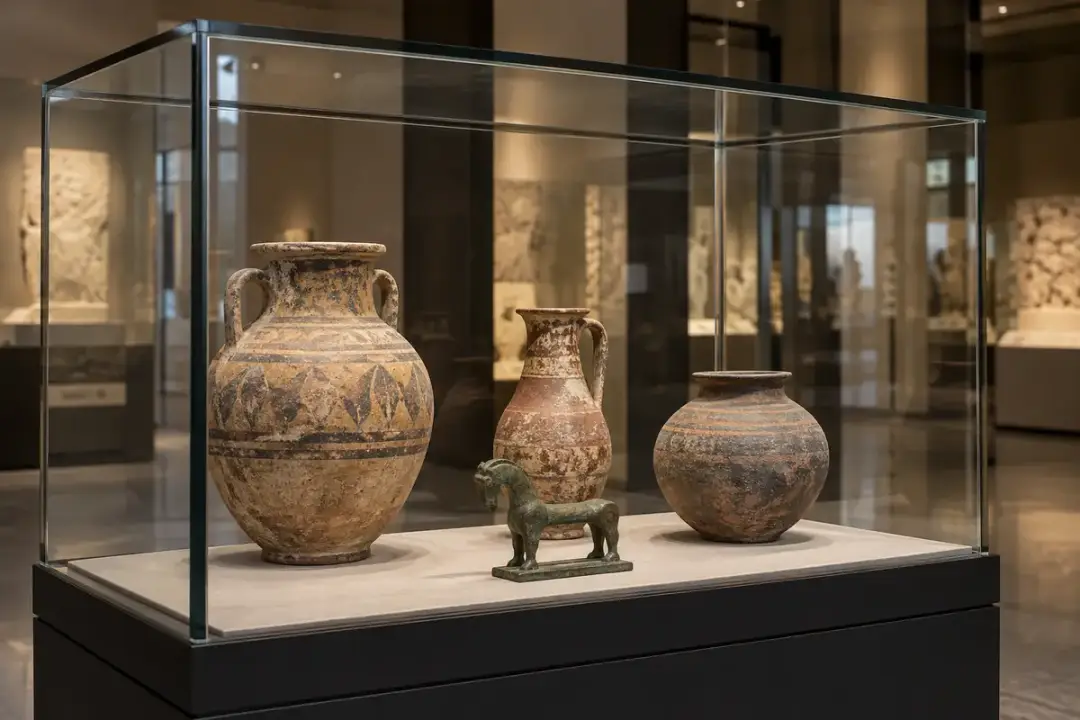
Glass display cases and archaeological objects in a museum gallery.
Museum gallery display environments

See the conditions around the collection, from gallery air to individual cases. Temperature and relative humidity establish the local climate; optional illuminance readings support the exhibition lighting plan.

Enclosed artifact showcases

Temperature and relative humidity inside the case; optional illuminance where the object is viewed.
Ceramic vessels and a bronze object inside an enclosed glass museum display case.
Conditions inside individual display cases

Measure the air inside the case as well as the surrounding room when a collection uses a local microclimate. The two records help staff understand how the enclosure responds to room changes and routine opening. Select a discreet sensing position that works with the case design and object layout.
Measurements to monitor
Temperature and relative humidity inside the case; optional illuminance where the object is viewed.
Measurement point
An approved internal position representing the object compartment, with a separate room reference if required.
Placement & installation
Agree the arrangement with the case maker or conservator; maintain seals and keep the device clear of the collection.
Project details to specify
Provide case dimensions, compartment layout, buffering or control arrangements and access restrictions.
Discuss this application

Textile and costume displays

Temperature and relative humidity; optional illuminance for the textile display.
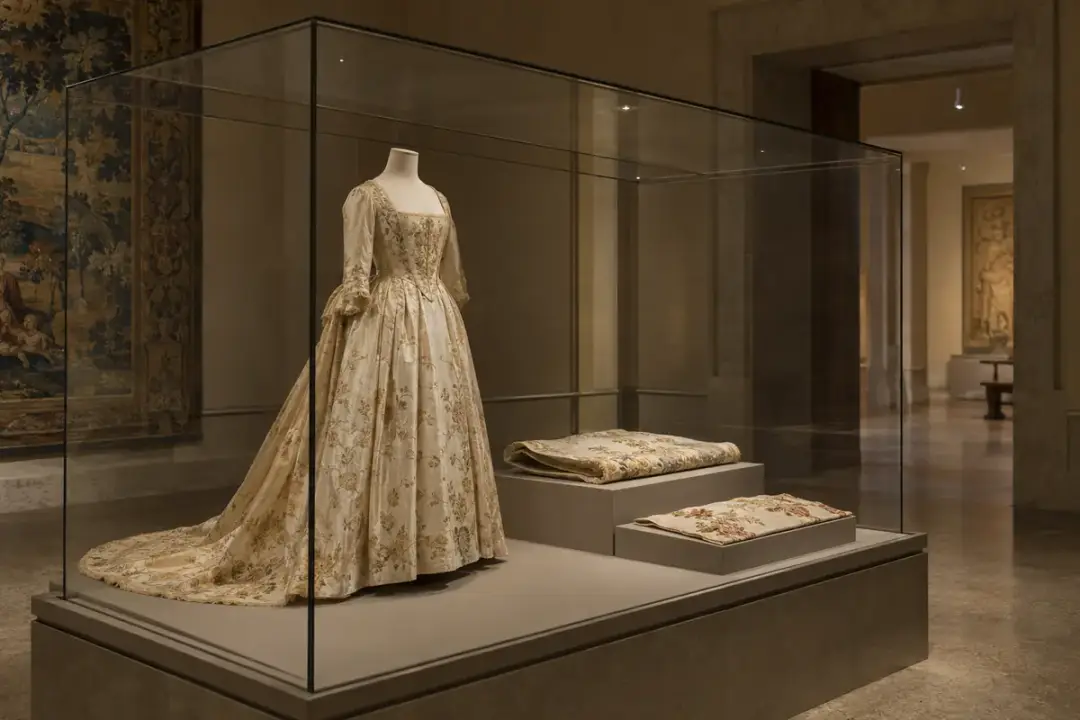
Historic dress and embroidered textiles displayed in a softly lit glass cabinet.
Light-sensitive textile collections

Give curators a local record for costumes, tapestries and decorated fabrics during an exhibition. Temperature and relative humidity describe the display climate; an illuminance configuration can help staff check the lighting selected for that textile. Review the readings alongside the display schedule and the conservator's material-specific plan.
Measurements to monitor
Temperature and relative humidity; optional illuminance for the textile display.
Measurement point
Near the displayed material, at a documented light orientation when illuminance is part of the project.
Placement & installation
Mount on approved casework or a separate support; preserve viewing space and avoid contact with the textile.
Project details to specify
Share textile types, dyes or finishes of concern, display duration, case details and agreed environmental limits.
Discuss this application

Manuscript and paper display cases

Temperature and relative humidity; optional illuminance at the displayed paper plane.
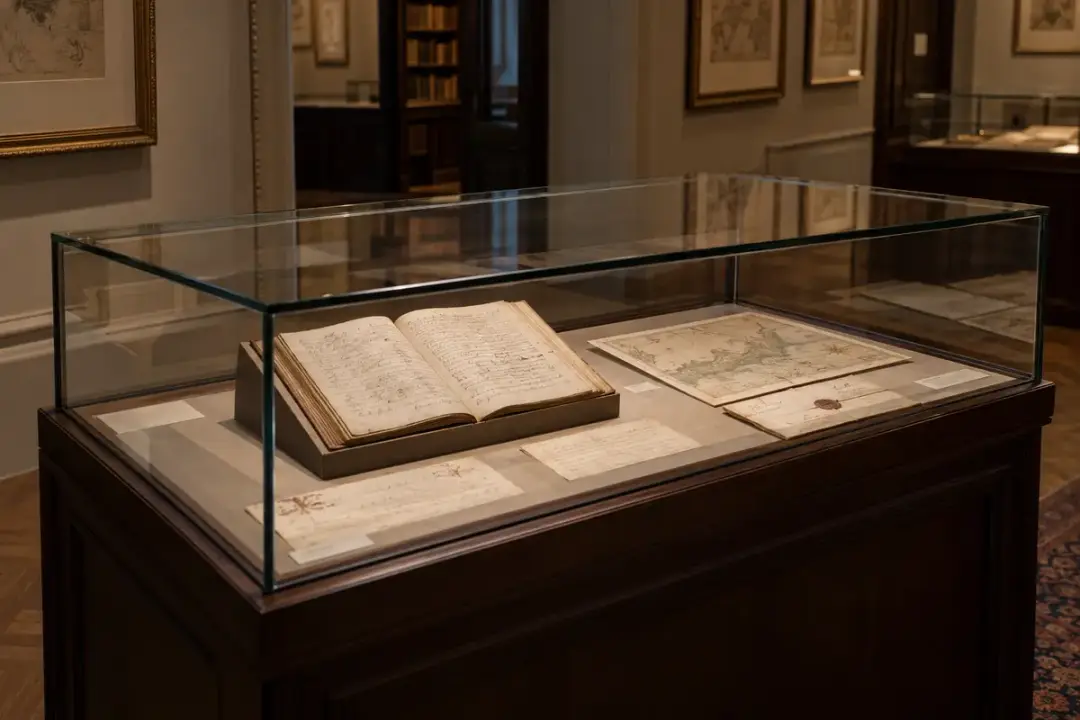
An open manuscript and historical paper documents in a glass-topped display case.
Paper and manuscript display environments

Track the display environment for manuscripts, maps and illustrated documents while they are on view. Place the sensing point to represent the page or sheet being exhibited. An optional illuminance record helps staff review lighting changes with the exhibition timetable, while temperature and humidity support the local conservation record.
Measurements to monitor
Temperature and relative humidity; optional illuminance at the displayed paper plane.
Measurement point
A case position near the displayed sheet, with the light sensor aligned to the chosen measurement plane.
Placement & installation
Use an independent support agreed with the conservator; keep sensing openings clear and allow safe case access.
Project details to specify
Provide paper and media types, object plane, lighting layout, exhibit dates and conservation requirements.
Discuss this application

Natural history specimen displays

Temperature and relative humidity; optional illuminance for selected light-sensitive specimens.
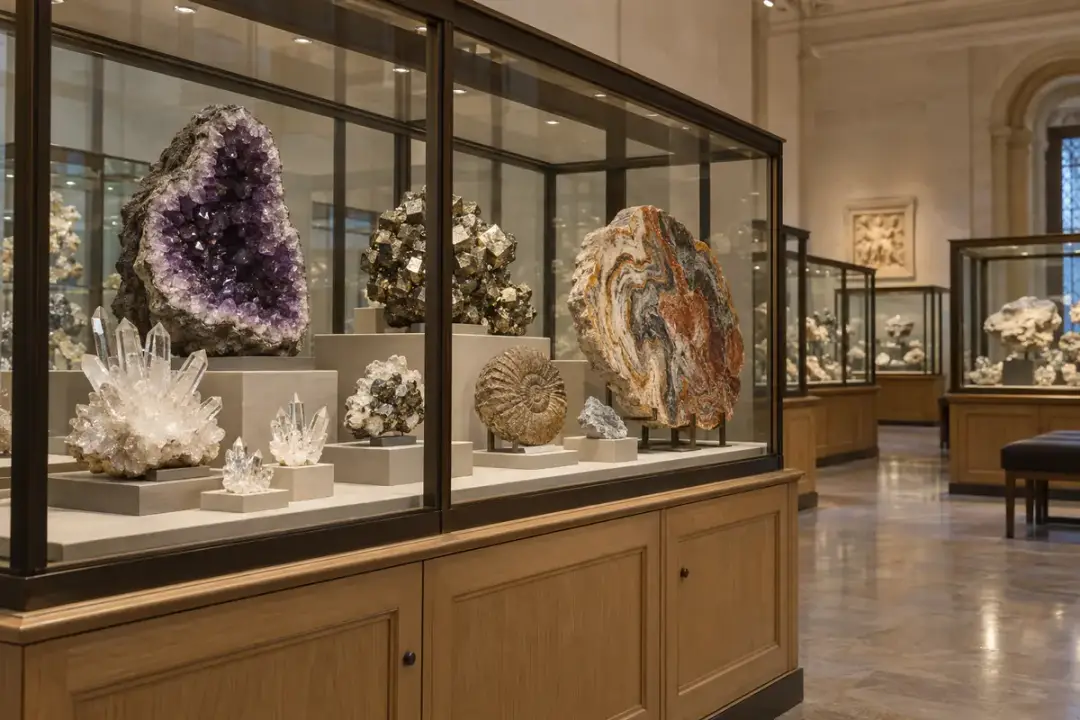
Minerals and fossil specimens in glass museum cabinets.
Natural history collection display environments

Choose monitoring around the actual specimens in a natural history display. Mounted animals, dried plants and minerals can have different environmental priorities, even within one gallery. Local readings give collection staff a basis for reviewing the display arrangement; optional illuminance is useful where the selected specimens are light sensitive.
Measurements to monitor
Temperature and relative humidity; optional illuminance for selected light-sensitive specimens.
Measurement point
The specimen compartment or nearby display air, selected by the collection-care team.
Placement & installation
Install on approved exhibition furniture without attaching to specimens or interfering with access and inspection.
Project details to specify
Identify specimen materials, enclosure design, preservation methods and which displays require light monitoring.
Discuss this application

Historic room and furniture displays

Temperature and relative humidity; optional illuminance at selected window-facing objects.
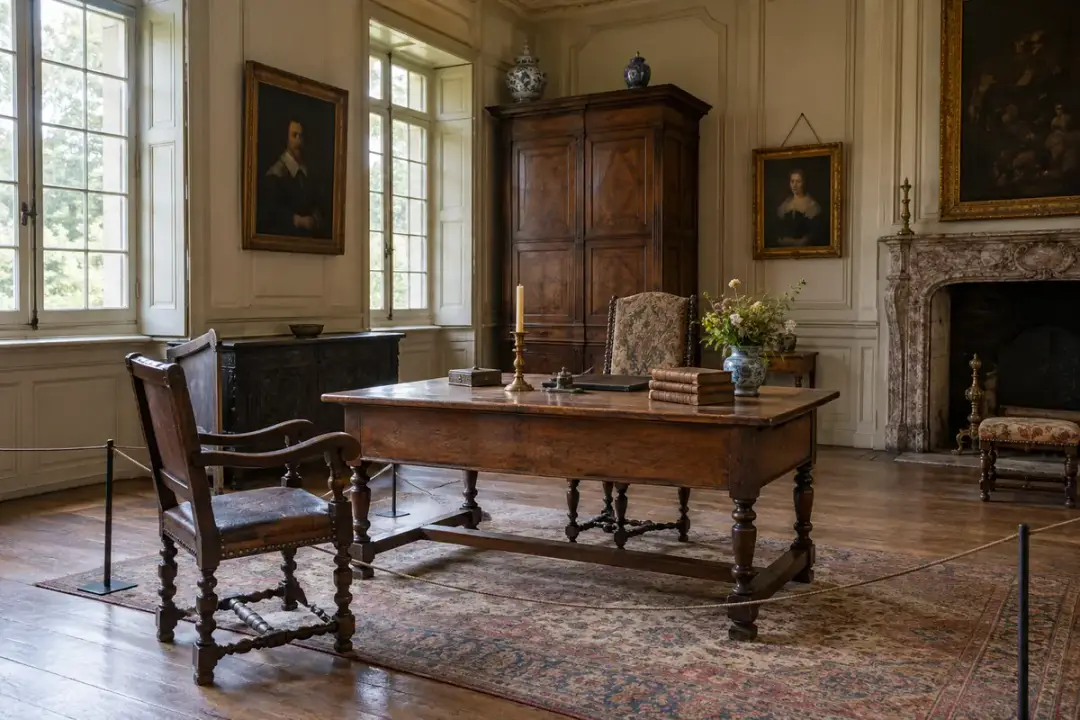
Historic wood furniture and portraits in a preserved museum room.
Historic interiors and furnished heritage rooms

Monitor the conditions around furniture, wall coverings and decorative objects in an interpreted historic room. Compare local readings with room use and the seasonal heating schedule. Optional illuminance near window-facing displays helps staff review the effect of daylight and their existing curtain or shutter routine.
Measurements to monitor
Temperature and relative humidity; optional illuminance at selected window-facing objects.
Measurement point
Representative collection positions, including a separate perimeter point where the preservation plan calls for it.
Placement & installation
Use a reversible, approved support on modern fittings; keep historic surfaces and furnishings untouched.
Project details to specify
Share the room plan, object materials, daylight paths, heating schedule and permitted mounting locations.
Discuss this application
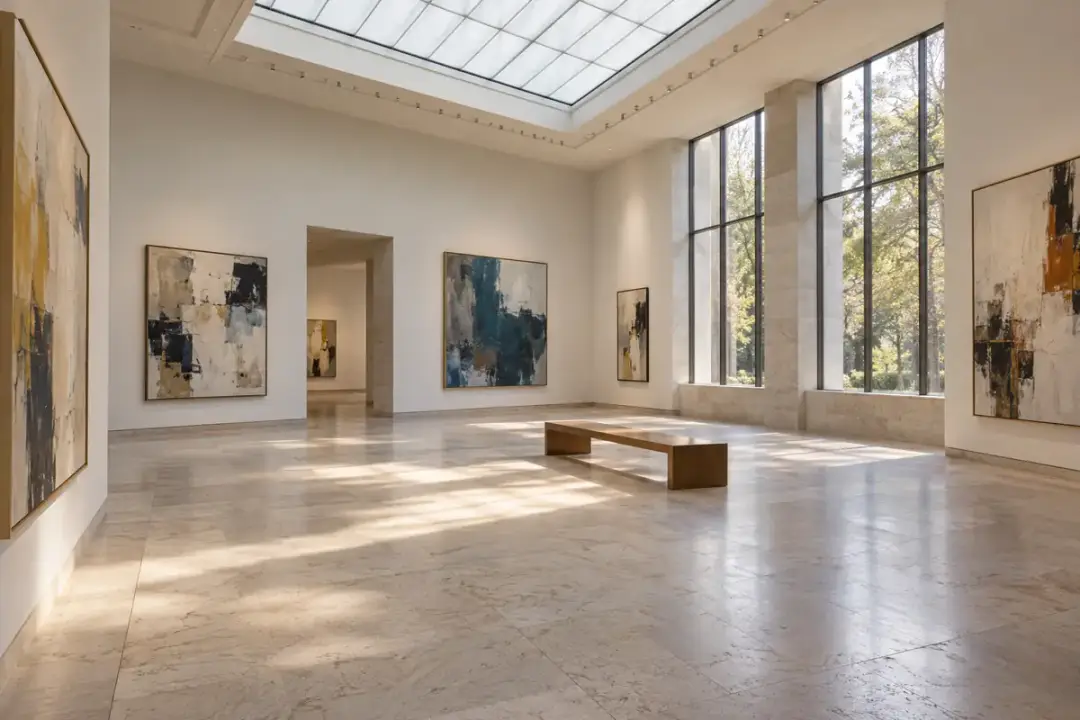
02Art galleries & exhibitions6 monitoring tasks
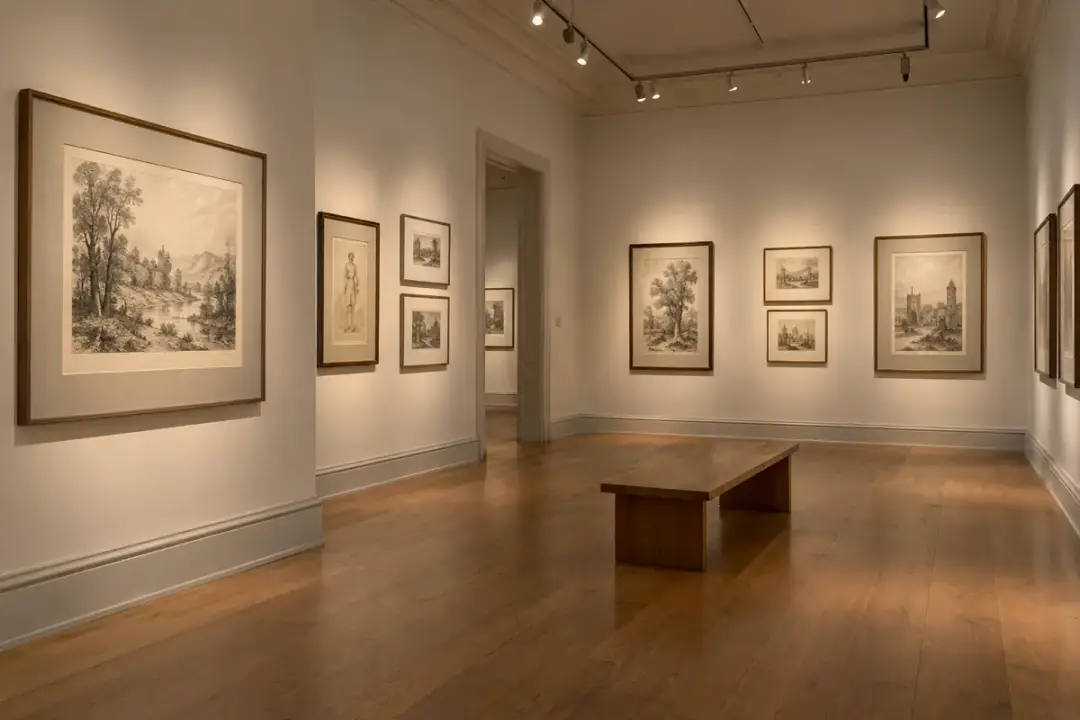
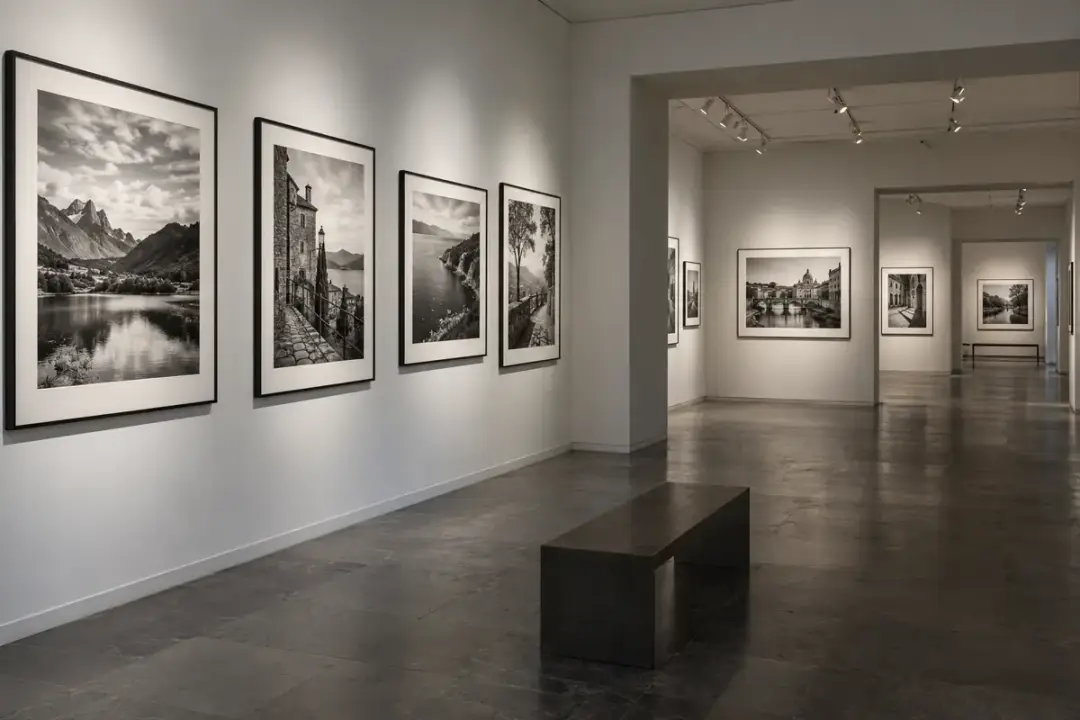
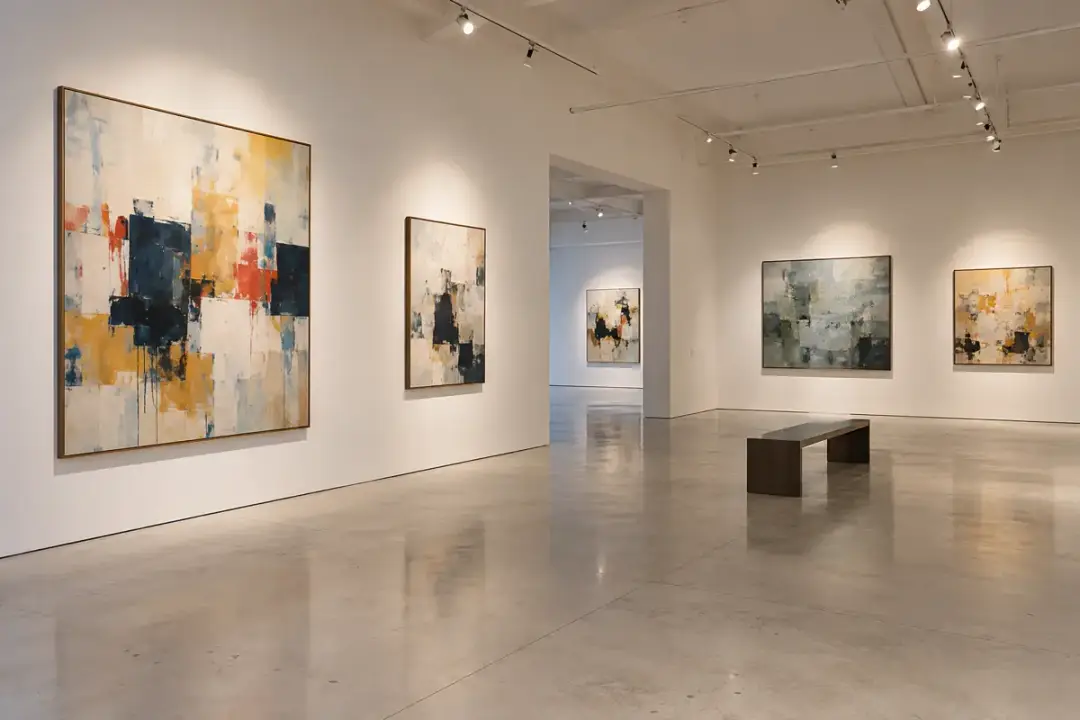
Contemporary art gallery with framed paintings and ceiling track lighting
Illustrative contemporary gallery environment for temperature, humidity and illuminance monitoring.

Record conditions where work is presented. Pair local climate readings with selected illuminance measurements so staff can review lighting, exhibition changes and loan requirements using documented sensing positions.

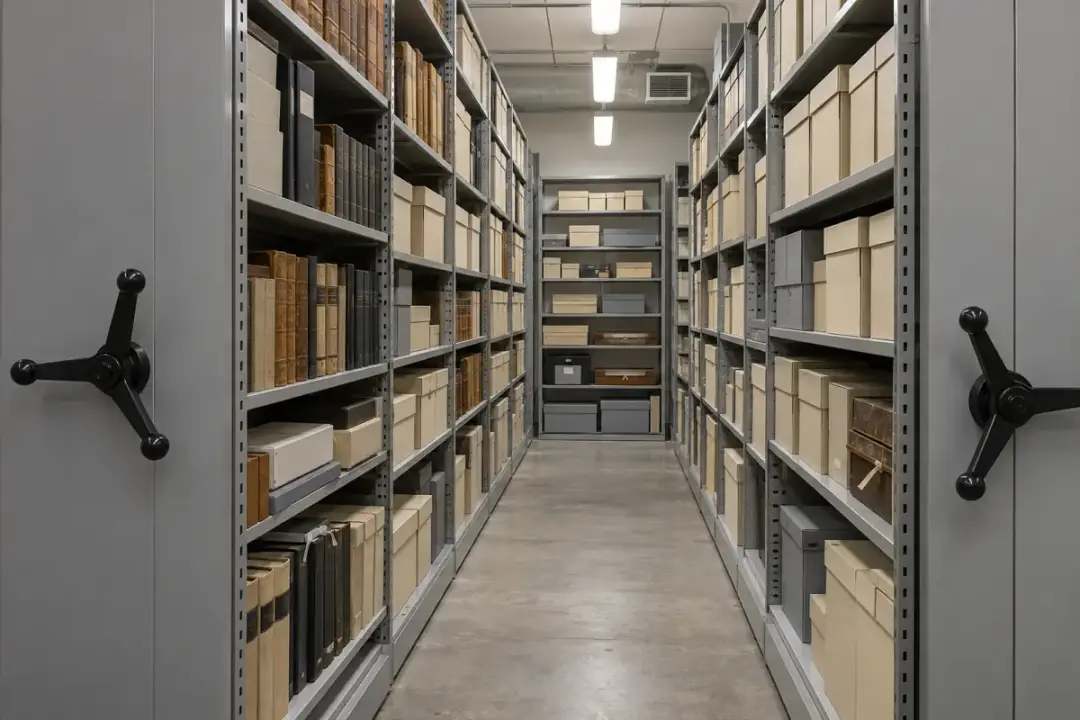
03Archives, libraries & special collections6 monitoring tasks
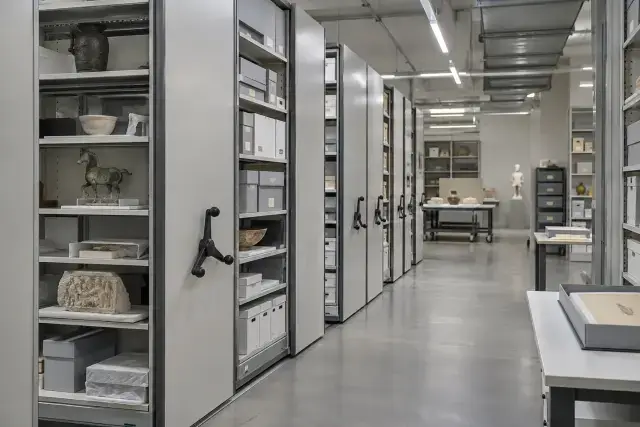
Mobile archive shelving with document boxes and bound records
Illustrative archive storage with access aisles for observing local preservation conditions.

Understand the conditions around records and rare materials, from closed stacks to supervised use. Prioritise temperature and humidity in storage, adding illuminance where materials are displayed or routinely exposed to light.

Archive repositories and mobile stacks

Temperature and relative humidity; optional illuminance where a storage exposure question has been identified.
Mobile archive shelving with document boxes and bound records
Illustrative archive storage with access aisles for observing local preservation conditions.

Build a local climate record for archive aisles and shelving zones. Compare selected positions when reviewing seasonal patterns or changes to the storage layout. Temperature and humidity are the main priorities in closed repositories; add a light channel only where there is a defined exposure question.
Measurements to monitor
Temperature and relative humidity; optional illuminance where a storage exposure question has been identified.
Measurement point
Representative shelving heights and aisle zones selected through the repository monitoring plan.
Placement & installation
Mount clear of moving shelving and boxes; retain air exposure and safe access for repository staff.
Project details to specify
Share repository dimensions, shelving arrangement, material types, current targets and the proposed monitoring period.
Discuss this application

Rare-book and special-collection stores

Temperature and relative humidity; optional illuminance for selected exposed collection positions.
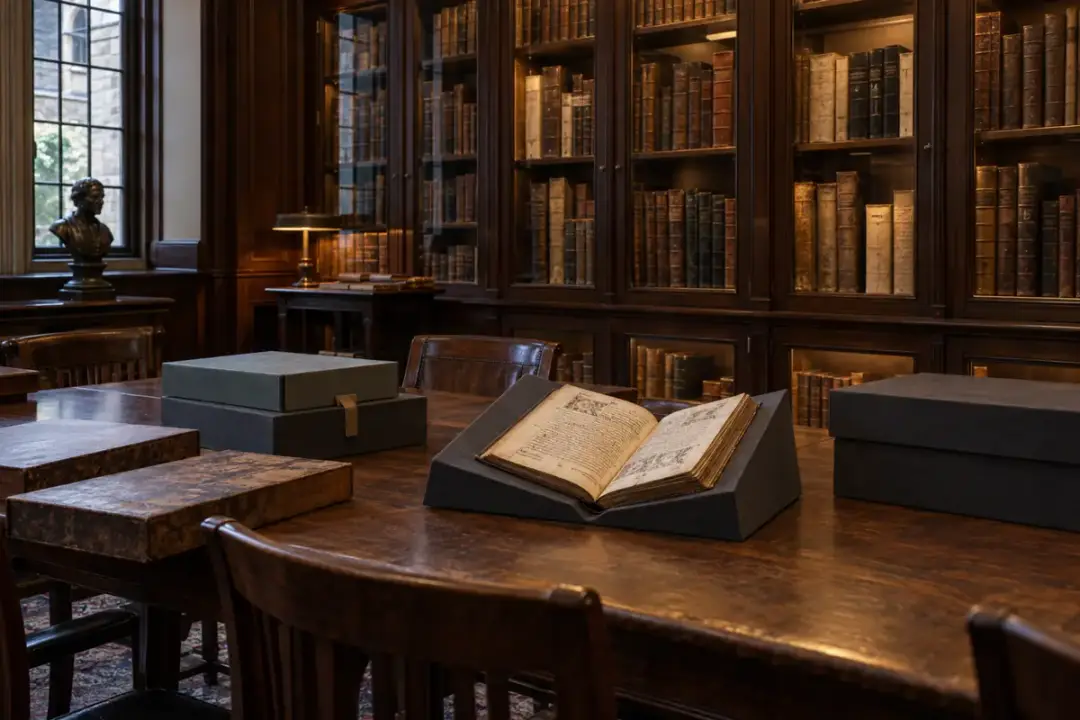
Rare-book consultation room with protected shelving and a supported manuscript
Illustrative special-collections room for observing local temperature, humidity and reading-area light.

Follow the climate near rare books and bound special collections through the year. Local records help librarians compare storage zones and review the effect of changes to heating or room use. Keep the focus on temperature and humidity in enclosed storage, with selected light monitoring where exposure matters.

Measurements to monitor
Temperature and relative humidity; optional illuminance for selected exposed collection positions.
Measurement point
Representative shelves or cabinet air, separated from heaters, vents and direct window influence unless those are being studied.
Placement & installation
Use approved shelf or wall supports and leave circulation and collection retrieval routes clear.
Project details to specify
Provide book and binding types, store layout, heating arrangements and special conservation requirements.
Discuss this application

Special-collection reading rooms

Temperature and relative humidity; optional illuminance at a selected reading surface.
Rare-book consultation room with protected shelving and a supported manuscript
Illustrative special-collections room for observing local temperature, humidity and reading-area light.

Record the local climate where readers consult rare materials, and select illuminance monitoring at the reading surface when exposure is part of the care plan. Staff can review readings against opening hours, daylight and handling sessions, supporting a practical discussion of room settings and collection-use arrangements.
Measurements to monitor
Temperature and relative humidity; optional illuminance at a selected reading surface.
Measurement point
Representative reading positions, with a light-sensing plane aligned to the surface used for materials.
Placement & installation
Use an approved unobtrusive fitting clear of readers, book supports and handling equipment.
Project details to specify
Share room opening hours, daylight conditions, material-use policies, table layout and monitoring priorities.
Discuss this application

Map, plan and oversized-paper cabinets

Temperature and relative humidity in selected cabinet or nearby room positions.
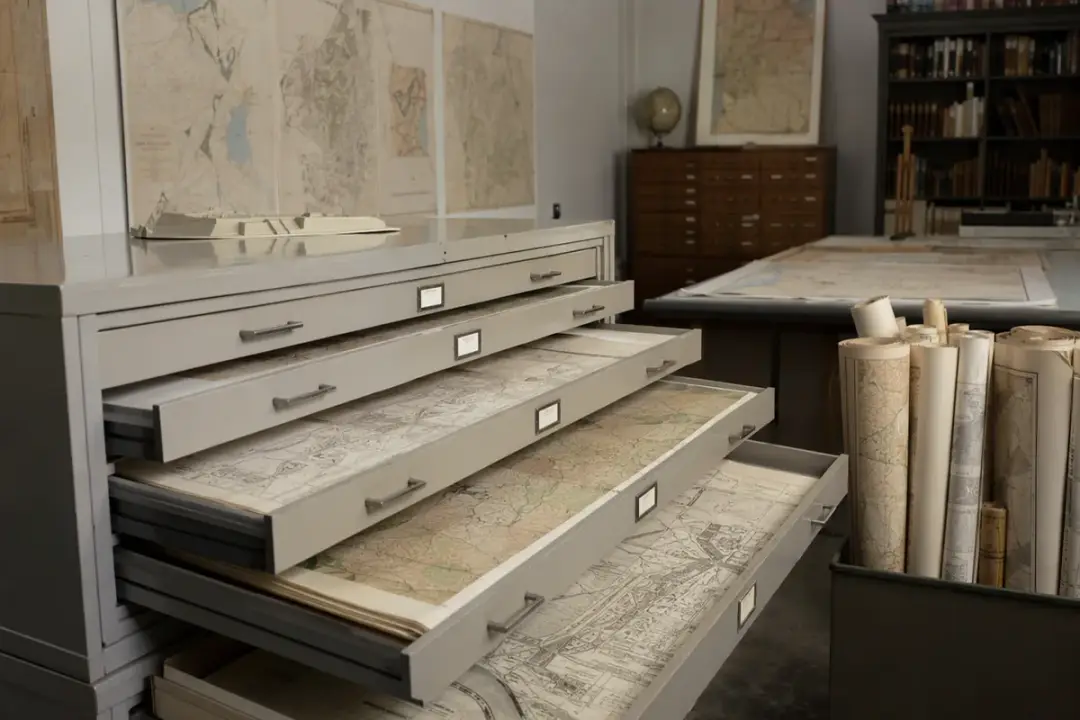
Large maps and drawings stored flat in wide plan drawers.
Flat plan-cabinet storage for maps and drawings

Measure the local climate around large-format paper held in flat cabinets. Compare cabinet and room positions where the storage plan needs that distinction, particularly after rearrangement or changes in room operation. Temperature and humidity are the primary channels; routine dark storage does not require light monitoring by default.

Measurements to monitor
Temperature and relative humidity in selected cabinet or nearby room positions.
Measurement point
Approved cabinet air spaces or a nearby representative point selected without disturbing the stored sheets.
Placement & installation
Keep the device clear of drawers and paper; confirm sufficient clearance and air access before selecting an internal arrangement.
Project details to specify
Provide cabinet dimensions, paper media, drawer access, surrounding room layout and target conditions.
Discuss this application

Photographic print stores

Temperature and relative humidity; optional illuminance for a defined handling or exposure study.
Mobile archive shelving with document boxes and bound records
Illustrative archive storage with access aisles for observing local preservation conditions.

Document the room environment for photographic print collections stored in protective boxes and cabinets. Collection staff can compare selected locations and seasonal trends against requirements for the photographic processes in their care. Specify temperature and humidity first; use a light channel only for an identified handling or exposure study.
Measurements to monitor
Temperature and relative humidity; optional illuminance for a defined handling or exposure study.
Measurement point
Room or cabinet positions representing the selected photographic print collection.
Placement & installation
Use approved supports clear of boxes and airflow obstructions, with easy access for routine checks.
Project details to specify
Identify photographic processes, storage temperatures, enclosure arrangements and the intended review period.
Discuss this application

Digitisation and scanning workrooms

Temperature and relative humidity; optional ambient illuminance at selected handling positions.
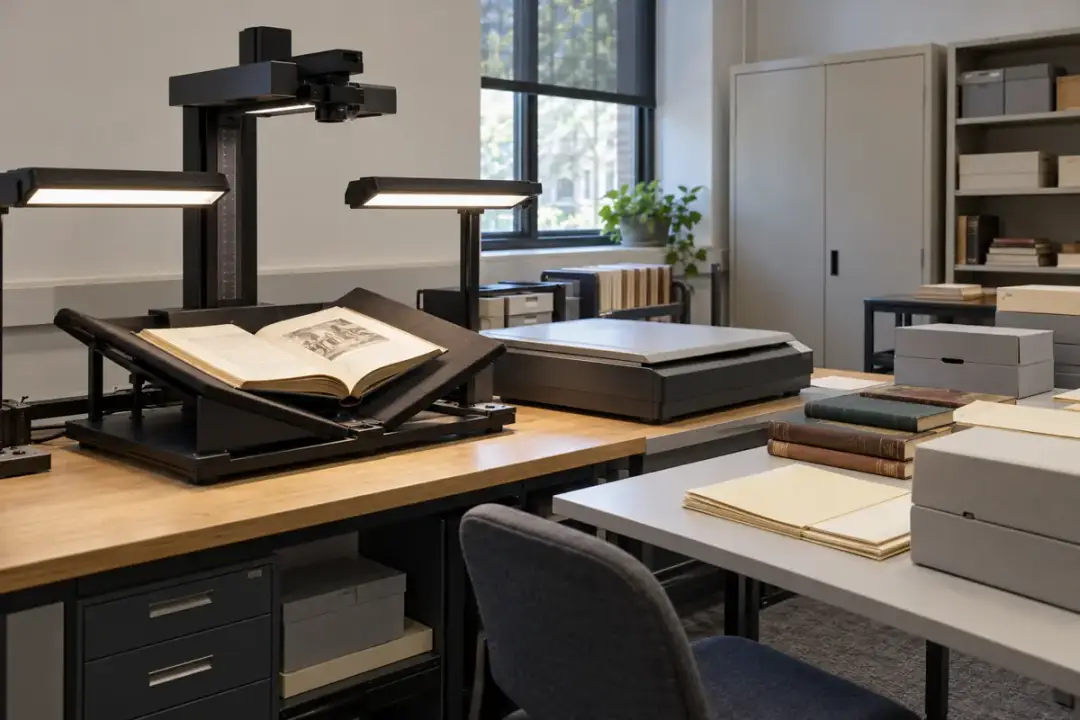
Library digitisation workroom with an overhead book scanner, book cradle and document sorting tables
Illustrative document-digitisation workroom with overhead scanning and paper handling stations.

Review the local environment while documents and books move through a digitisation workroom. Temperature and humidity provide context for handling sessions and room changes. Optional illuminance readings can describe ambient light at selected work positions when useful; photographic exposure and reproduction-light testing remain part of the imaging workflow.

Measurements to monitor
Temperature and relative humidity; optional ambient illuminance at selected handling positions.
Measurement point
Material staging and handling zones chosen alongside the scanning equipment layout.
Placement & installation
Mount clear of moving camera equipment and direct equipment heat, using positions agreed by the imaging and conservation teams.
Project details to specify
Share material types, handling times, equipment heat sources, room layout and the environmental question to be answered.
Discuss this application
04Collection stores & conservation6 monitoring tasks
Museum collections store with cabinets and carefully arranged stored objects
Collection storage environment · Illustrative scene

Keep collection care connected to the conditions in storage and work areas. Select local climate points by material and room use; include illuminance only where display, handling or a conservation question makes it useful.

Mixed-object collection stores

Temperature and relative humidity; optional illuminance for identified exposed objects or handling zones.
Museum collections store with cabinets and carefully arranged stored objects
Collection storage environment · Illustrative scene

Give collection managers a climate record for the different storage zones in a mixed-object store. The same room may contain objects with different requirements, so sensing positions and review criteria follow the collection plan. Compare local readings during routine inspections, seasonal reviews and changes to the shelving layout.
Measurements to monitor
Temperature and relative humidity; optional illuminance for identified exposed objects or handling zones.
Measurement point
Representative shelves and storage zones, with additional positions for distinct enclosure or room conditions.
Placement & installation
Use approved racking or wall supports with clear air exposure, safe retrieval routes and accessible device identification.
Project details to specify
List collection materials, enclosure types, room plan, existing environmental objectives and inspection routines.
Discuss this application

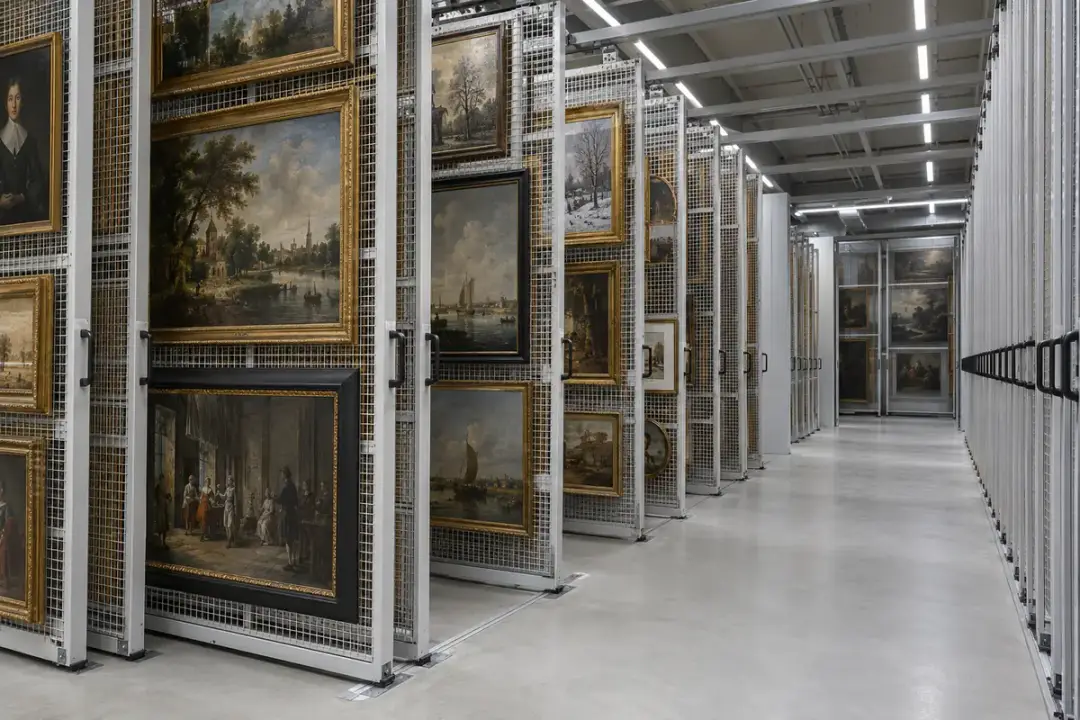
Painting racks and picture stores

Temperature and relative humidity; optional illuminance for a defined storage exposure question.
Paintings on sliding mesh racks in a climate-controlled museum collection store
Illustrative museum painting store with sliding collection racks.

Monitor the local climate around stored paintings and compare selected rack positions with the room reference. Staff can use the record during storage reviews and changes to rack occupancy. Temperature and humidity are the core measurements; light monitoring is selected only if an exposure or handling routine is being assessed.
Measurements to monitor
Temperature and relative humidity; optional illuminance for a defined storage exposure question.
Measurement point
Approved positions beside picture racks, with selected room perimeter points where the collection plan requires comparison.
Placement & installation
Keep sensors clear of sliding racks, picture frames and handling routes; preserve repeatable positions.
Project details to specify
Provide painting materials, rack layout, room climate objectives, access schedule and any perimeter concerns.
Discuss this application

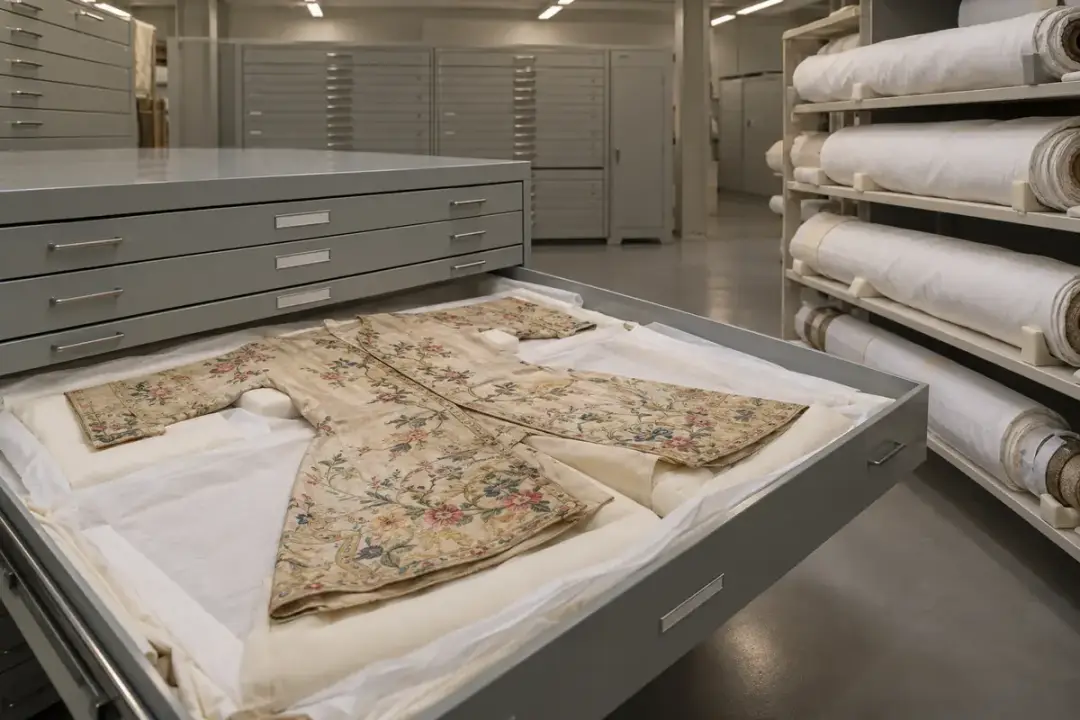
Textile drawers and costume stores

Temperature and relative humidity in selected textile storage positions.
Historic embroidered textile laid flat in a museum storage drawer beside padded textile rolls
Illustrative textile repository with flat and rolled conservation storage.

Track the climate around stored costumes and flat textiles, choosing cabinet or room positions according to the collection arrangement. Local readings help staff review the conditions after access, seasonal changes or storage reorganisation. Temperature and humidity take priority; protected dark storage calls for light measurement only when there is a specific need.

Measurements to monitor
Temperature and relative humidity in selected textile storage positions.
Measurement point
A representative costume-store location or an approved cabinet space that does not contact the material.
Placement & installation
Maintain drawer clearance and safe garment access; agree discreet supports with the collection-care team.
Project details to specify
Share textile materials, storage format, cabinet dimensions, room targets and planned access frequency.
Discuss this application

Collection receiving and assessment rooms

Temperature and relative humidity; optional illuminance at agreed assessment positions.
Museum collections store with cabinets and carefully arranged stored objects
Collection storage environment · Illustrative scene

Record the room climate while incoming objects are assessed and prepared for their next storage or exhibition position. Staff can compare the receiving room with destination areas and retain context for the handling timeline. The registrar or conservator defines the observations needed for each material and arrival process.
Measurements to monitor
Temperature and relative humidity; optional illuminance at agreed assessment positions.
Measurement point
Receiving and staging locations selected to represent the object environment during the agreed observation period.
Placement & installation
Use separate approved supports clear of crates and handling traffic; document locations and room-operation changes.
Project details to specify
Provide arrival and unpacking procedures, collection materials, staging duration and destination climate requirements.
Discuss this application

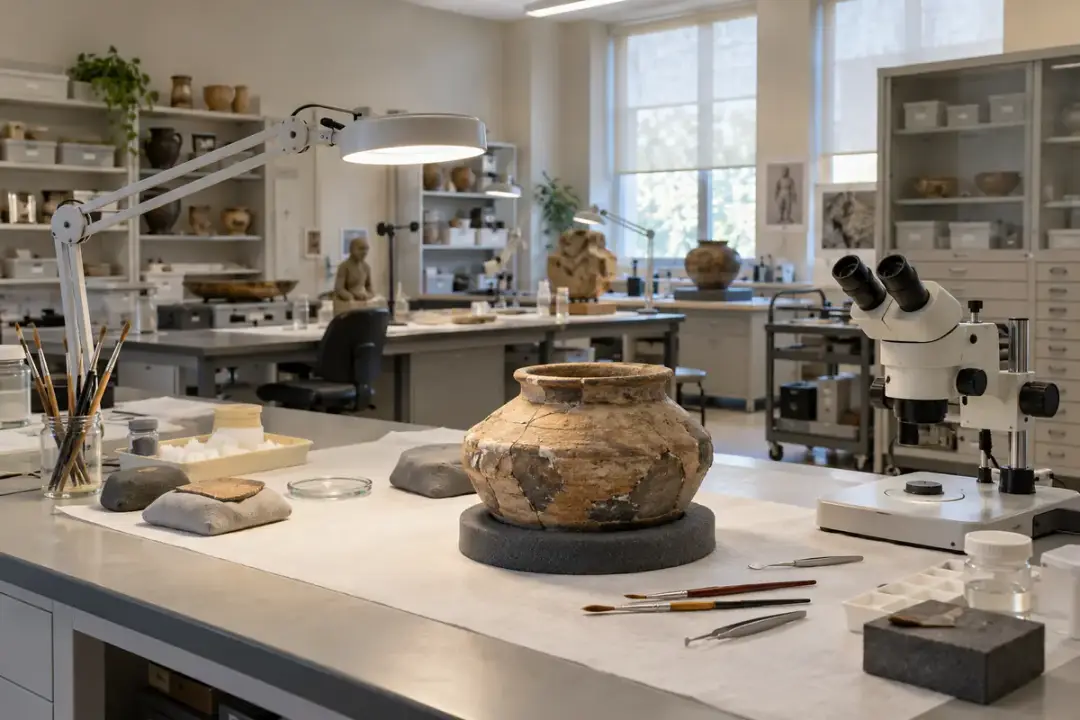
Conservation workrooms

Temperature and relative humidity; optional ambient illuminance for selected work positions.
Museum conservation workbench with supported ceramic vessel and stereo microscope
Illustrative museum objects conservation studio.

Make the workroom environment visible during examination, documentation and bench work. Temperature and humidity readings provide context for the workspace and its daily operation. Optional illuminance monitoring can support a defined ambient-light review, with the conservator selecting positions and interpreting readings alongside the treatment and examination requirements.

Measurements to monitor
Temperature and relative humidity; optional ambient illuminance for selected work positions.
Measurement point
Representative bench and object-staging air, clear of concentrated process heat and local equipment exhaust.
Placement & installation
Use approved independent supports and a layout that preserves safe working space, cleaning access and material handling.
Project details to specify
Share room use, work schedules, treatment-related environmental requirements and the positions that need comparison.
Discuss this application

Framing and exhibit-preparation rooms

Temperature and relative humidity; optional illuminance for an exhibition-lighting mock-up.
Museum conservation workbench with supported ceramic vessel and stereo microscope
Illustrative museum objects conservation studio.

Follow the local climate where frames, mounts and collection materials are assembled for display. Staff can compare preparation-room conditions with the destination gallery before installation. Optional illuminance readings are useful when checking a mock-up display; select that measurement around the intended exhibition plane rather than general workshop brightness.
Measurements to monitor
Temperature and relative humidity; optional illuminance for an exhibition-lighting mock-up.
Measurement point
Material-staging and assembly zones, plus the selected display plane for any lighting mock-up.
Placement & installation
Mount on approved workroom fittings clear of benches, cutting equipment and collection handling paths.
Project details to specify
Provide the material and mounting plan, destination gallery requirements, preparation schedule and any lighting mock-up details.
Discuss this application
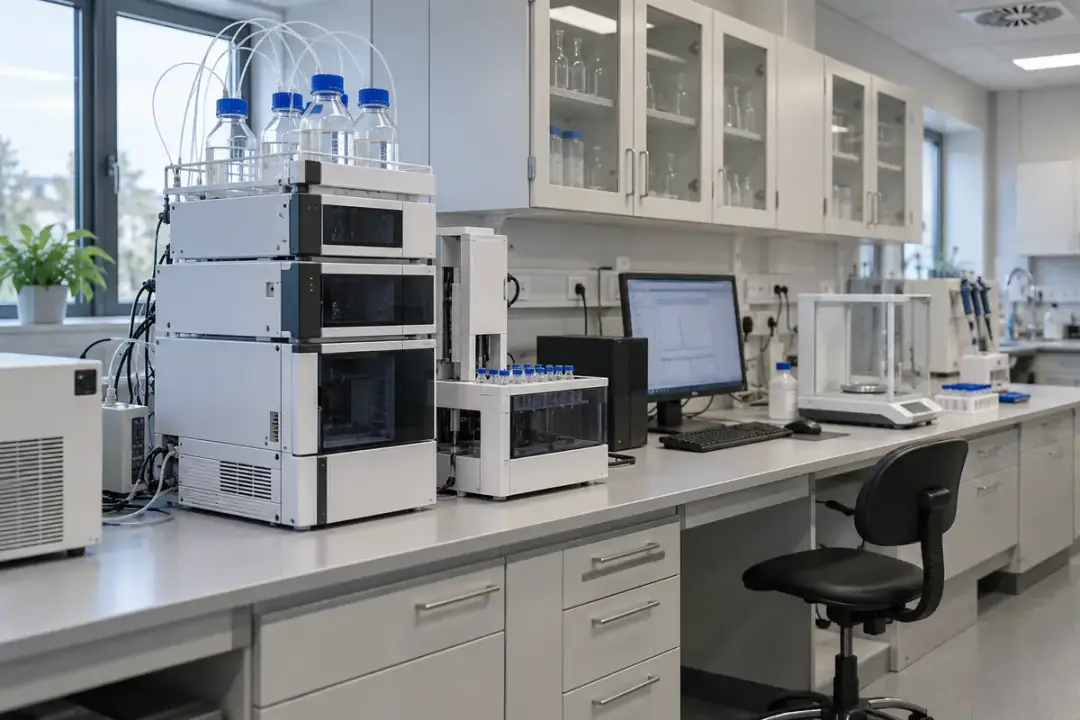
05Laboratories & pharmaceutical spaces6 monitoring tasks
Analytical laboratory with chromatography instruments and enclosed balance on a bench
Illustrative laboratory workspace with analytical instruments.

Record room conditions where the method, material or storage instructions require them. Select temperature, humidity and optional illuminance around the actual procedure, and agree calibration and record requirements with the project team.

Analytical laboratory rooms

Temperature and relative humidity; optional illuminance when the method specifies a light condition.
Analytical laboratory with chromatography instruments and enclosed balance on a bench
Illustrative laboratory workspace with analytical instruments.

Add a local environmental record to laboratory routines when room temperature or humidity is relevant to the method. Staff can review readings with equipment use and test schedules, then investigate changes against the laboratory's own acceptance criteria. Select positions that represent the work area and agree the required verification arrangements.

Measurements to monitor
Temperature and relative humidity; optional illuminance when the method specifies a light condition.
Measurement point
Representative analytical work areas identified in the laboratory environmental-monitoring plan.
Placement & installation
Use approved positions clear of instrument heat, hood exhaust and cleaning routes; confirm materials and calibration needs.
Project details to specify
Share method requirements, room layout, acceptance criteria, record needs and the laboratory's verification procedure.
Discuss this application

Precision weighing rooms

Temperature and relative humidity around the selected weighing area.
Analytical laboratory with chromatography instruments and enclosed balance on a bench
Illustrative laboratory workspace with analytical instruments.

Give weighing staff a local temperature and humidity record for reviewing the conditions around precision balances. The data can be considered alongside weighing sessions and the laboratory's measurement procedure. Choose a room point that represents the balance area without affecting access, instrument operation or the draught-control arrangement.
Measurements to monitor
Temperature and relative humidity around the selected weighing area.
Measurement point
A representative position near the balance area, agreed by the laboratory responsible for the measurement procedure.
Placement & installation
Keep the device clear of the balance enclosure and vibration-sensitive bench, with unobstructed room-air sensing.
Project details to specify
Provide balance-room requirements, working schedule, instrument layout and the environmental record needed for the method.
Discuss this application

Ambient sample-retention stores

Temperature and relative humidity; optional illuminance where sample-storage instructions require it.
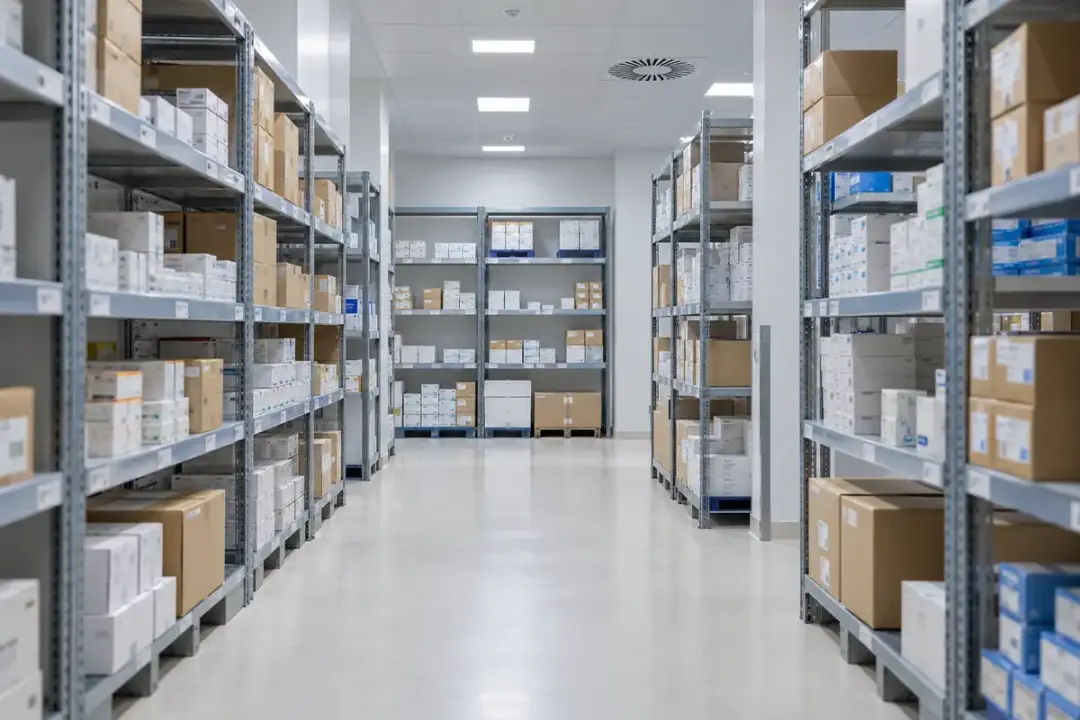
Packaged pharmaceutical goods on shelves in an ambient indoor store
Illustrative pharmaceutical ambient storage room.

Track the room conditions for samples assigned to ambient storage under their approved instructions. Local readings give the laboratory context for periodic reviews and changes to the storage arrangement. Select an illuminance channel only where the sample or procedure includes a light-exposure requirement, and agree the required records before deployment.

Measurements to monitor
Temperature and relative humidity; optional illuminance where sample-storage instructions require it.
Measurement point
Representative shelf zones selected for the ambient sample-storage room.
Placement & installation
Mount clear of sample containers and retrieval routes, with positions and device identifiers recorded in the storage plan.
Project details to specify
List sample types, required storage conditions, shelf layout, storage duration and record-review responsibilities.
Discuss this application

Pharmaceutical ambient stockrooms

Temperature and relative humidity; optional illuminance where the approved product-storage conditions require it.
Packaged pharmaceutical goods on shelves in an ambient indoor store
Illustrative pharmaceutical ambient storage room.

Build a local room-condition record for medicines with approved ambient storage instructions. Select positions around the storage layout and any mapping already carried out by the facility. Temperature, humidity and optional illuminance are chosen to match product requirements; the quality team defines acceptance, calibration and record-review procedures.

Measurements to monitor
Temperature and relative humidity; optional illuminance where the approved product-storage conditions require it.
Measurement point
Storage points selected from the facility assessment or mapping, rather than a convenient central wall alone.
Placement & installation
Confirm hygienic mounting, access, connectivity and required device verification with the facility and quality team.
Project details to specify
Provide product-storage instructions, layout or mapping findings, monitoring requirements and the intended system integration.
Discuss this application

Pharmaceutical material and packaging stores

Temperature and relative humidity; optional illuminance for specified light-sensitive stored materials.
Packaged pharmaceutical goods on shelves in an ambient indoor store
Illustrative pharmaceutical ambient storage room.

Monitor local conditions where raw materials or packaging components have defined environmental storage requirements. Keep sensing positions associated with the relevant zone and material specification. Staff can review the room record during storage checks and facility changes, with optional light measurement for materials whose approved instructions make it relevant.

Measurements to monitor
Temperature and relative humidity; optional illuminance for specified light-sensitive stored materials.
Measurement point
Approved material-storage and quarantine zones, selected through the facility's storage assessment.
Placement & installation
Use positions that preserve segregation, cleaning access and identification; confirm suitability with the facility quality team.
Project details to specify
Share material specifications, storage-zone plan, acceptance criteria, verification needs and reporting arrangements.
Discuss this application

Research instrument and preparation rooms

Temperature and relative humidity; optional illuminance for a defined procedure or material.
Analytical laboratory with chromatography instruments and enclosed balance on a bench
Illustrative laboratory workspace with analytical instruments.

Follow the local climate around shared research instruments and preparation workspaces when the procedure calls for it. A room-condition record helps staff compare working sessions with changes in room operation. Optional illuminance can be selected for a defined light-sensitive procedure, with the measurement position and performance agreed for that task.

Measurements to monitor
Temperature and relative humidity; optional illuminance for a defined procedure or material.
Measurement point
Instrument-adjacent room air and preparation positions selected to answer the laboratory's monitoring question.
Placement & installation
Use approved fixtures clear of equipment heat and active processes; maintain access for cleaning and routine checks.
Project details to specify
Share room functions, instrument environmental requirements, process schedules and the specific measurements needed.
Discuss this application
06Electronics, data centres & cleanrooms6 monitoring tasks
Indoor data centre server racks with a clearly defined aisle
Data-centre environment · Illustrative scene

Prioritise the local temperature and humidity around equipment, components and controlled work areas. Select extra sensing positions by inlet, storage or process needs; add illuminance when there is a defined lighting question.

Data-centre rack inlets

Temperature and relative humidity at selected equipment inlet-air positions.
Indoor data centre server racks with a clearly defined aisle
Data-centre environment · Illustrative scene

Measure the air presented to IT equipment at selected rack inlets instead of relying only on a room-average reading. Compare local temperature and humidity trends with rack changes and cooling operation. Position choice follows the equipment environment and facility plan; light measurement is not a default requirement for this application.

Measurements to monitor
Temperature and relative humidity at selected equipment inlet-air positions.
Measurement point
Representative rack-front inlet locations and heights selected by the data-centre facilities team.
Placement & installation
Use approved rack fixtures that do not obstruct airflow, doors or cabling; select sensing arrangements suited to the inlet measurement objective.
Project details to specify
Share rack layout, inlet locations, equipment requirements, cooling arrangement and the monitoring platform.
Discuss this application

Edge IT and network-equipment rooms

Temperature and relative humidity at selected room and equipment inlet positions.
Indoor data centre server racks with a clearly defined aisle
Data-centre environment · Illustrative scene

Give facilities staff a local climate record for small server rooms and network closets. These spaces can operate differently from the surrounding building, so choose sensing points around the equipment air path and room layout. Temperature and humidity readings can support routine reviews after equipment additions or changes in room operation.
Measurements to monitor
Temperature and relative humidity at selected room and equipment inlet positions.
Measurement point
Equipment inlet air and a representative room reference where comparison supports the site monitoring plan.
Placement & installation
Keep the device clear of exhaust heat and obstructed cabinet corners; use approved fixtures with accessible maintenance routes.
Project details to specify
Provide cabinet dimensions, equipment arrangement, cooling provision, access schedule and connectivity requirements.
Discuss this application

Electronics assembly work areas

Temperature and relative humidity; optional illuminance at selected inspection or assembly tasks.
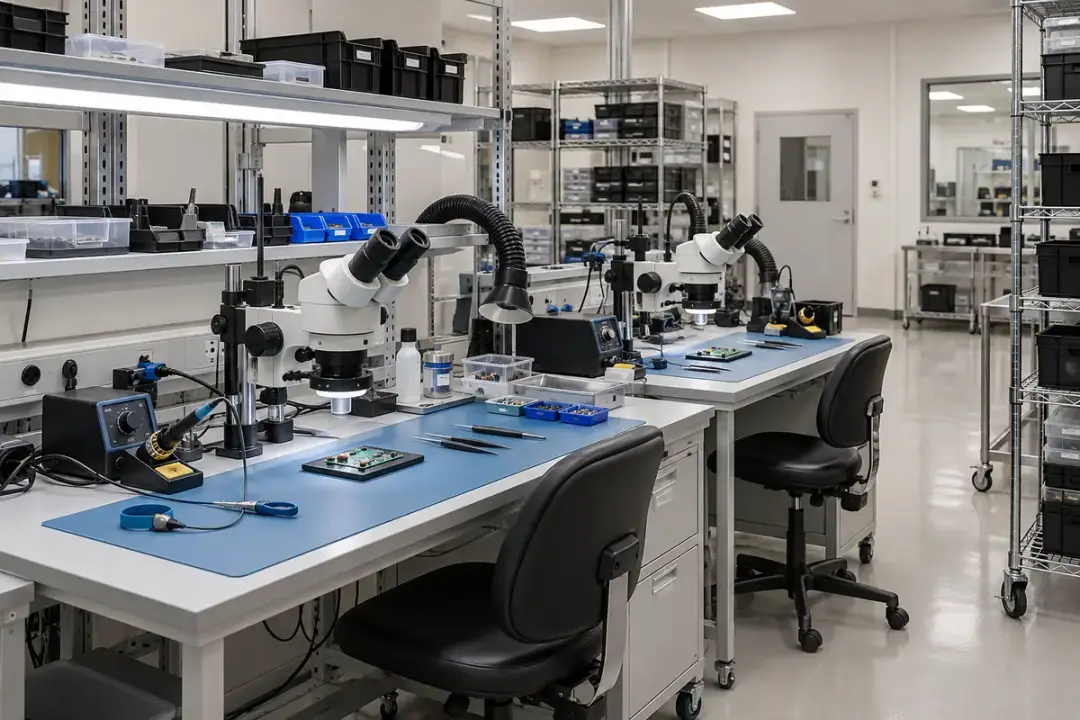
Electronics precision assembly benches with ESD mats and stereo microscopes
Illustrative indoor electronics assembly workspace.

Record the temperature and humidity experienced in selected electronics assembly zones. The local record gives the process team context when reviewing room conditions, seasonal changes or work-area arrangements. Use it alongside the facility's established component-handling and ESD programme, with optional illuminance for a defined task-lighting review.

Measurements to monitor
Temperature and relative humidity; optional illuminance at selected inspection or assembly tasks.
Measurement point
Representative assembly and inspection zones agreed by the process and facility teams.
Placement & installation
Use approved fixtures clear of machinery, operator movement and local equipment heat; follow site mounting and cleaning requirements.
Project details to specify
Share the process plan, component requirements, environmental criteria and the positions that need comparison.
Discuss this application

Electronic-component storage

Temperature and relative humidity in selected component-room or approved cabinet positions.
Electronics precision assembly benches with ESD mats and stereo microscopes
Illustrative indoor electronics assembly workspace.

Follow the room conditions around electronic-component stock, and select cabinet monitoring where the actual storage arrangement requires it. Staff can review local readings alongside packaging, desiccant and handling procedures. Temperature and humidity are the core channels; the component supplier's requirements determine the targets and necessary verification.
Measurements to monitor
Temperature and relative humidity in selected component-room or approved cabinet positions.
Measurement point
Storage zones chosen by component sensitivity and the supplied packaging or cabinet arrangement.
Placement & installation
Confirm available space, air exposure and access before specifying a cabinet arrangement; keep component-handling routes clear.
Project details to specify
Provide component storage instructions, packaging and cabinet types, zone layout and the monitoring criteria.
Discuss this application

Cleanroom environmental support

Temperature and relative humidity; optional illuminance where the controlled process specifies it.
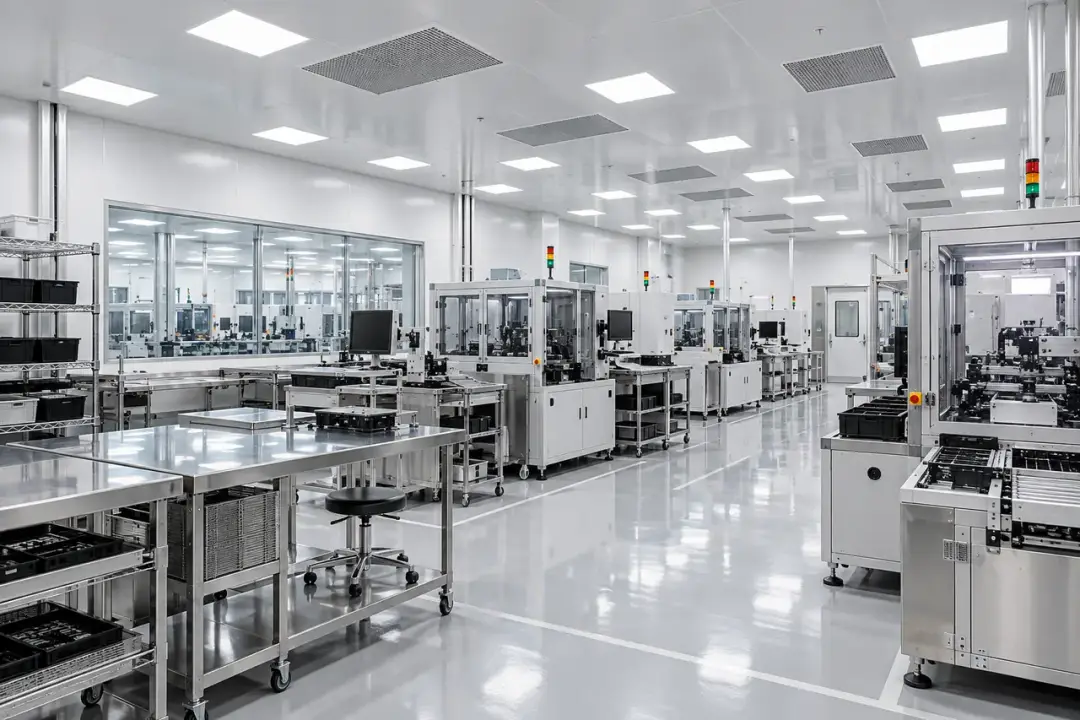
Clean indoor production room with benches and industrial equipment
Controlled production environment · Illustrative scene

Add local temperature and humidity observations to the environmental plan for a cleanroom or controlled workspace where those conditions matter to the process. Agree the sensing location, mounting materials, cleaning access and verification needs with the facility. Optional illuminance is selected only for a specific process or task-lighting objective.

Measurements to monitor
Temperature and relative humidity; optional illuminance where the controlled process specifies it.
Measurement point
Approved work-zone locations selected through the facility's environmental assessment.
Placement & installation
Review enclosure materials, mounting, cleanability and sensing exposure with the facility before choosing the supplied configuration.
Project details to specify
Provide the process requirements, cleanroom plan, installation restrictions, verification expectations and desired platform integration.
Discuss this application

Metrology and calibration rooms

Temperature and relative humidity for the selected measurement workspace.
Analytical laboratory with chromatography instruments and enclosed balance on a bench
Illustrative laboratory workspace with analytical instruments.

Record local temperature and humidity as part of the context for measurement work. Laboratories can review the room record with measurement sessions and their uncertainty assessment. Select sensing points and verification requirements around the actual instruments and procedures; the laboratory determines the acceptable conditions for each task.

Measurements to monitor
Temperature and relative humidity for the selected measurement workspace.
Measurement point
Representative instrument and reference-artifact areas agreed with the laboratory responsible for the measurement.
Placement & installation
Use independent approved supports clear of instrument heat and measurement travel; retain documented, repeatable positions.
Project details to specify
Share instrument environmental requirements, room layout, measurement schedules and required calibration or verification evidence.
Discuss this application
07Indoor production & sensitive materials6 monitoring tasks
Indoor warehouse with boxed material storage and shelving
Material-storage environment · Illustrative scene

Match monitoring to the materials and work taking place indoors. Temperature and humidity describe the local storage or preparation environment; optional illuminance supports selected daylight, display or task-related questions.

Print-paper storage and preparation

Temperature and relative humidity; optional illuminance for a defined daylight-exposure concern.
Indoor warehouse with boxed material storage and shelving
Material-storage environment · Illustrative scene

Compare the local climate in the paper store with the pressroom or printing work area. The two records help staff review environmental differences when paper is moved for use. Temperature and humidity are the priority measurements; optional illuminance is useful only where exposure to daylight is part of the storage question.

Measurements to monitor
Temperature and relative humidity; optional illuminance for a defined daylight-exposure concern.
Measurement point
Representative paper storage and preparation positions selected alongside the material-flow route.
Placement & installation
Mount clear of paper stacks, direct machine heat and handling paths; retain air exposure around the sensing point.
Project details to specify
Share paper types, store-to-workroom workflow, supplier instructions and the positions to be compared.
Discuss this application

Textile and fabric material stores

Temperature and relative humidity; optional illuminance for selected exposed fabric stock.
Historic embroidered textile laid flat in a museum storage drawer beside padded textile rolls
Illustrative textile repository with flat and rolled conservation storage.

Build a local temperature and humidity record around textile stock and preparation areas. Different fibres and finishes call for different handling and storage requirements, so the material team sets the review criteria. Select optional illuminance when daylight exposure or a particular material makes light part of the storage assessment.
Measurements to monitor
Temperature and relative humidity; optional illuminance for selected exposed fabric stock.
Measurement point
Representative fabric shelves, roll-storage zones and preparation areas identified by the material team.
Placement & installation
Use approved supports clear of stock and handling equipment; avoid contact with fabrics and preserve access for routine inspection.
Project details to specify
Provide fibre and finish types, supplier storage instructions, room layout and exposure concerns.
Discuss this application

Musical instrument rooms

Temperature and relative humidity; optional illuminance for an identified window-exposure question.
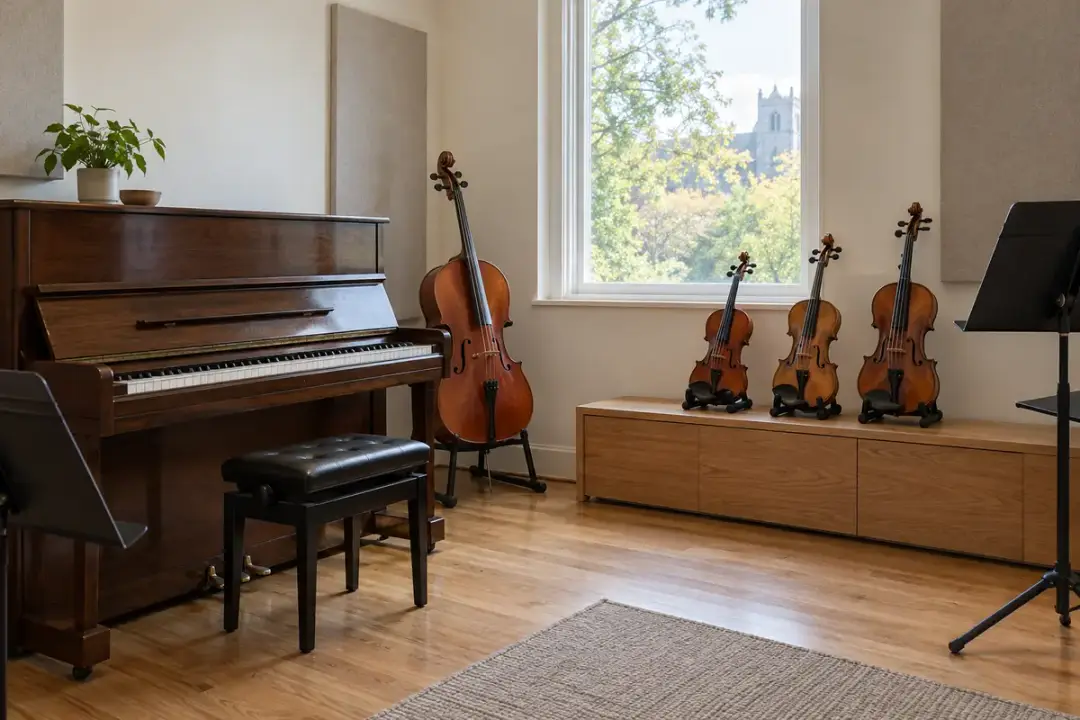
An upright piano, cello and violins in a naturally lit music practice room.
Indoor conditions in musical instrument rooms

Follow the local climate where pianos and other humidity-sensitive instruments are stored or used. Staff can compare the room record with heating schedules, rehearsals and maintenance observations. Temperature and humidity are the core channels; optional illuminance can be specified if direct daylight at a particular instrument is being reviewed.

Measurements to monitor
Temperature and relative humidity; optional illuminance for an identified window-exposure question.
Measurement point
Representative instrument-room air and selected window-side positions when the care plan requires comparison.
Placement & installation
Use approved independent supports clear of the instruments, performers and heating or cooling outlets.
Project details to specify
Share instrument types, manufacturer care requirements, room use, daylight layout and the monitoring period.
Discuss this application

Optical and precision-equipment stores

Temperature and relative humidity; optional illuminance where the equipment or material instructions specify it.
Electronics precision assembly benches with ESD mats and stereo microscopes
Illustrative indoor electronics assembly workspace.

Record the local climate for equipment and spare parts with defined environmental storage requirements. Select room or cabinet points according to the actual storage instructions and packaging. Staff can review the readings during stock checks and facility changes, adding a light channel only when the stored material requires an exposure study.
Measurements to monitor
Temperature and relative humidity; optional illuminance where the equipment or material instructions specify it.
Measurement point
Selected shelving or approved cabinet positions representing the stored equipment and its packaging arrangement.
Placement & installation
Keep sensing openings exposed, allow cabinet access and follow supplier and facility restrictions on internal installation.
Project details to specify
Provide equipment storage requirements, packaging types, cabinet layout and the required monitoring criteria.
Discuss this application

3D-printing material storage

Temperature and relative humidity in selected material-room or approved dry-storage positions.
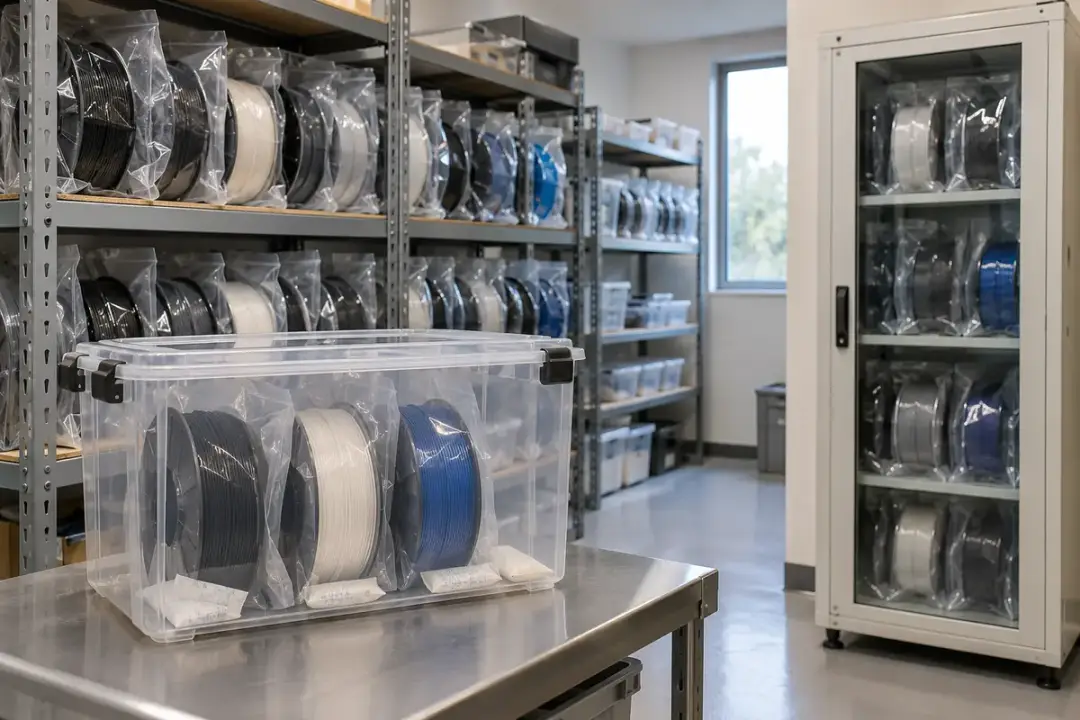
Sealed 3D printing filament spools on storage shelves beside a gasketed dry storage box
Illustrative dry storage for 3D printing polymer filament materials.

Track room or approved dry-storage air conditions around moisture-sensitive printing materials. The record helps staff review the storage environment alongside the filament supplier's drying, packaging and handling instructions. Select the sensing arrangement for the available space and intended conditions, with temperature and humidity as the primary measurements.
Measurements to monitor
Temperature and relative humidity in selected material-room or approved dry-storage positions.
Measurement point
Filament storage and preparation zones selected around the material handling workflow.
Placement & installation
Confirm clearance, sensing exposure and suitable performance for the intended storage conditions before choosing a cabinet arrangement.
Project details to specify
Share filament types, supplier storage instructions, enclosure dimensions and the environmental question to be answered.
Discuss this application

Botanical specimen preparation and storage

Temperature and relative humidity; optional illuminance for selected specimen handling or display positions.
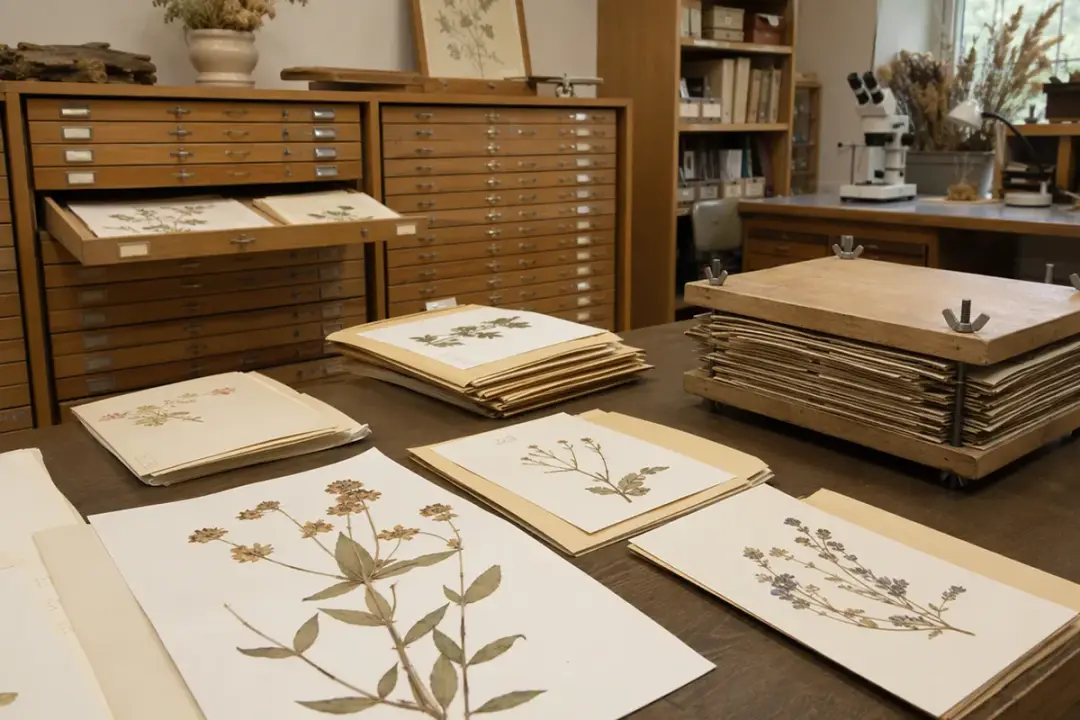
Pressed botanical specimens in herbarium paper folders and mounting sheets.
Herbarium and botanical specimen preparation environments

Document the local climate around dried plant specimens and preparation materials. Staff can compare workroom and storage readings while reviewing room operation and handling arrangements. Temperature and humidity are the routine focus, with optional illuminance where specimens are handled or displayed under a defined light-exposure plan.

Measurements to monitor
Temperature and relative humidity; optional illuminance for selected specimen handling or display positions.
Measurement point
Representative specimen-preparation and dry-storage areas selected by the collection or research team.
Placement & installation
Use approved supports clear of specimens, presses and storage drawers, maintaining safe handling and inspection access.
Project details to specify
Share specimen and preparation types, storage arrangement, room requirements and exposure priorities.
Discuss this application
08Historic buildings, learning & visitor spaces6 monitoring tasks
Historic wood furniture and portraits in a preserved museum room.
Historic interiors and furnished heritage rooms

Compare conditions where people and collections share the building. Select room positions by the observation goal, with optional illuminance for daylight or task-related reviews, and use findings alongside the facility or conservation plan.

Historic interiors and seasonal buildings

Temperature and relative humidity; optional illuminance around selected daylight-affected features.
Historic wood furniture and portraits in a preserved museum room.
Historic interiors and furnished heritage rooms

Build an environmental record for historic rooms across heating seasons and periods of use. Compare representative interior positions with selected perimeter locations where the conservation plan needs that context. Optional illuminance readings can support a review of daylight around finishes or furnishings, using mounting arrangements approved for the building.
Measurements to monitor
Temperature and relative humidity; optional illuminance around selected daylight-affected features.
Measurement point
Approved room and perimeter positions representing the fabric or collection environment under observation.
Placement & installation
Use reversible supports on approved modern fixtures and preserve the historic fabric and visitor routes.
Project details to specify
Share building use, materials or collections of concern, heating schedule, room plan and mounting permissions.
Discuss this application

Classrooms and learning rooms

Temperature and relative humidity; optional illuminance at selected learning or daylight positions.
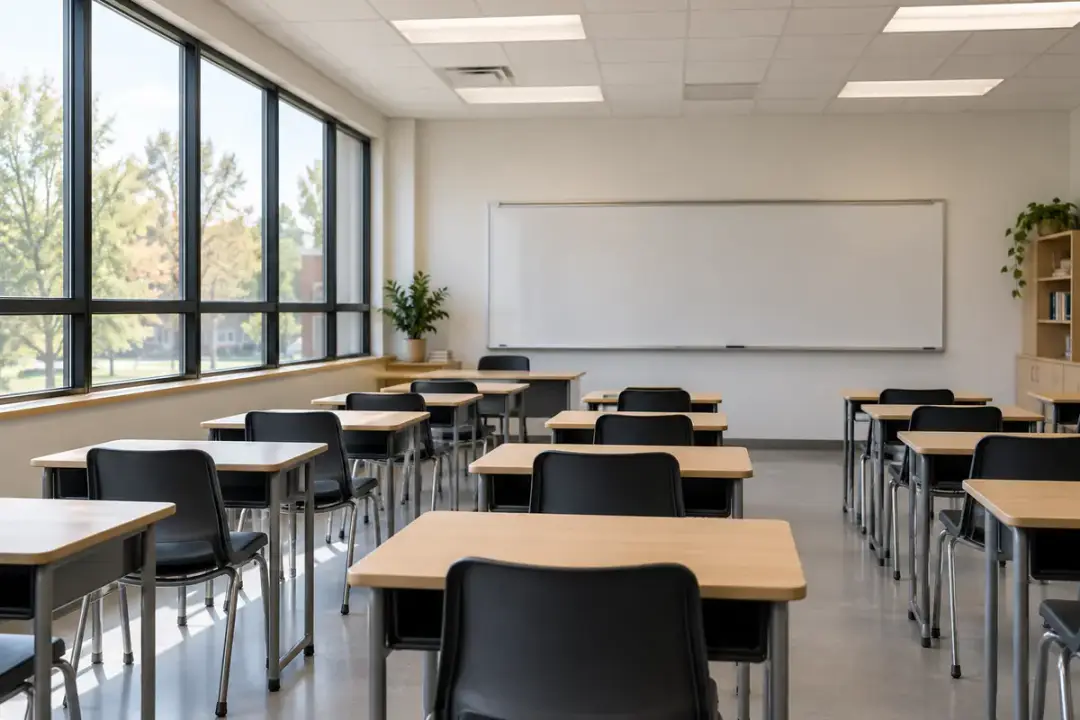
Desks and chairs in a daylight-lit classroom with a blank whiteboard.
Classroom temperature, humidity and light conditions

Compare temperature and humidity across selected teaching spaces and review how readings change through the school day. Optional illuminance measurements can support a defined daylight or desk-lighting review. The facility team selects representative room positions and considers the readings alongside occupancy schedules and the building's wider indoor-environment assessment.
Measurements to monitor
Temperature and relative humidity; optional illuminance at selected learning or daylight positions.
Measurement point
Representative occupied room zones and a documented measurement plane for any task-lighting study.
Placement & installation
Mount securely clear of occupants and teaching equipment, with air exposure and light orientation matched to the observation goal.
Project details to specify
Provide room layouts, teaching schedules, existing concerns, daylight arrangements and the intended monitoring period.
Discuss this application

Public library reading and shelving areas

Temperature and relative humidity; optional illuminance for selected shelf or reading-surface exposure.
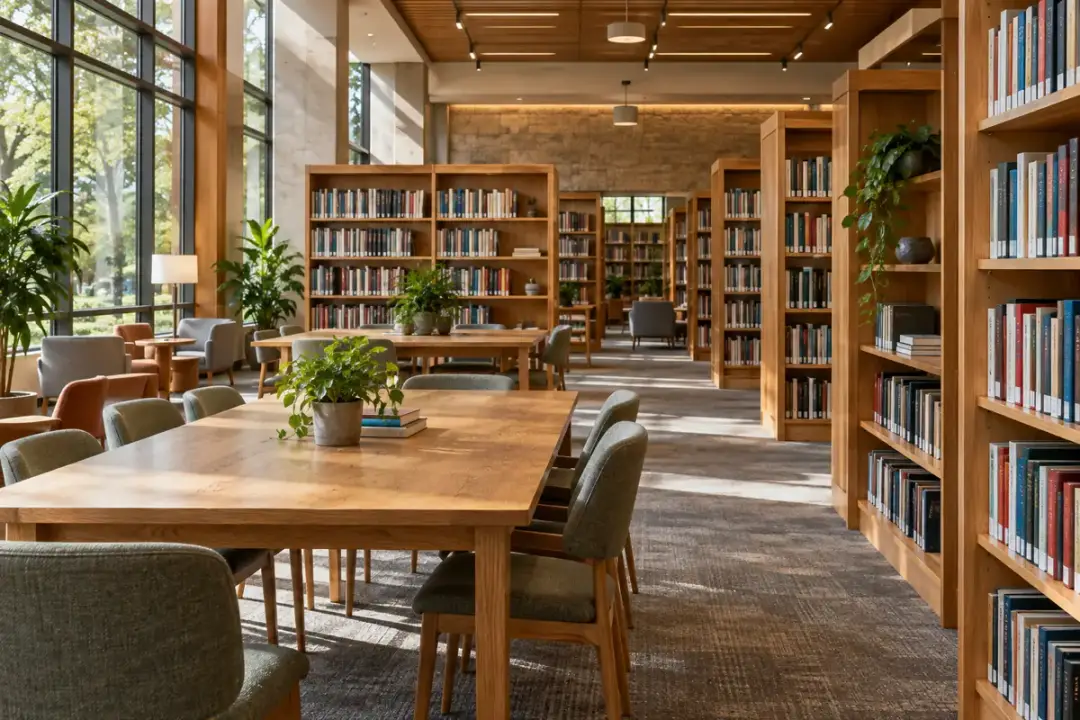
Modern public library with bookshelves, reading tables and daylight from tall windows
Illustrative public-library reading area for observing indoor temperature, humidity and local reading light.

Review the local climate where public-library collections and readers share the space. Compare selected shelving and reading areas through opening hours and seasonal operation. Optional illuminance monitoring can support a targeted study of window-side shelves or reading positions, while the library decides the priorities for material care and room use.

Measurements to monitor
Temperature and relative humidity; optional illuminance for selected shelf or reading-surface exposure.
Measurement point
Representative collection shelves and reading zones, with extra positions for defined daylight questions.
Placement & installation
Use secure approved fixtures clear of books, visitors and cleaning access; document the sensing purpose of each point.
Project details to specify
Share shelving layout, opening hours, window positions, collection types and the room-management objectives.
Discuss this application

Visitor centres and reception spaces

Temperature and relative humidity; optional illuminance for selected interpretation displays or daylight zones.
Glass display cases and archaeological objects in a museum gallery.
Museum gallery display environments

Compare the local climate in reception, orientation and interpretation areas through their operating schedule. Optional illuminance readings can be selected for display panels or daylight-related questions. Facilities staff can review temperature and humidity with room use and nearby collection or exhibition requirements, using positions that represent the intended area.
Measurements to monitor
Temperature and relative humidity; optional illuminance for selected interpretation displays or daylight zones.
Measurement point
Representative visitor-space air and agreed display positions, selected separately when their purposes differ.
Placement & installation
Use secure approved fixtures with clear sensing exposure, discreet placement and accessible maintenance routes.
Project details to specify
Provide the space plan, opening schedule, display materials, daylight arrangement and the monitoring objective.
Discuss this application

Places of worship and heritage halls

Temperature and relative humidity; optional illuminance at selected heritage features exposed to daylight.
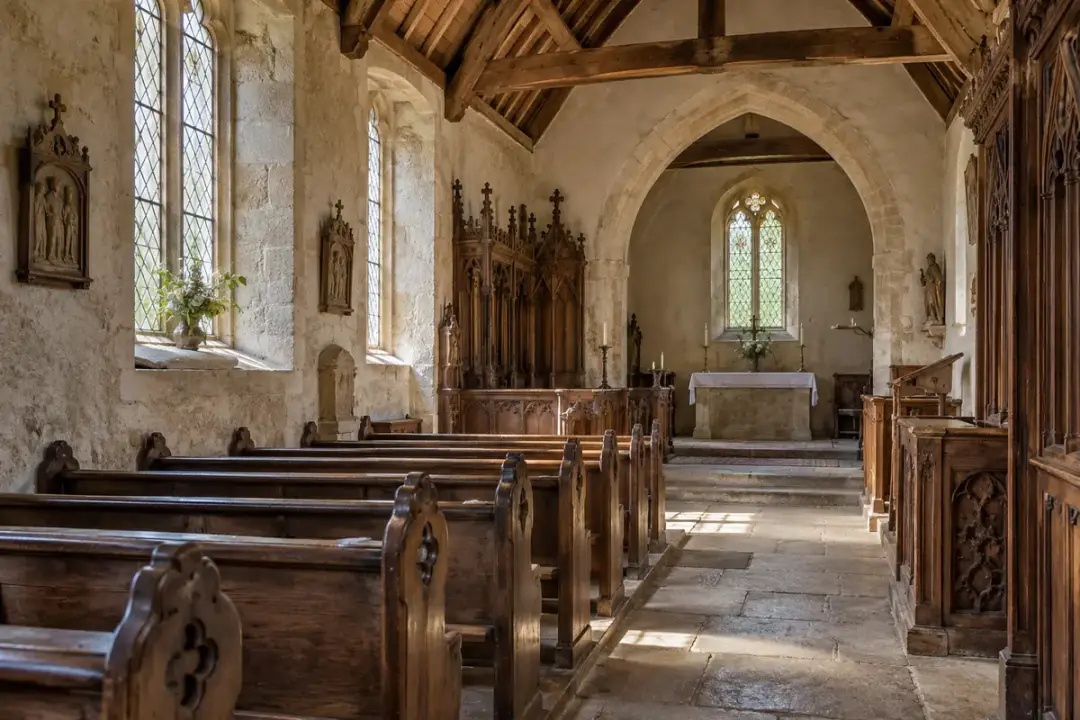
Historic chapel interior with timber pews and carved wooden fittings lit by filtered window light
Illustrative historic chapel interior with conserved wood and stone surfaces.

Follow the local climate around wooden fittings, textiles and heritage features in buildings used intermittently. Staff can compare readings with heating periods and event schedules when reviewing the environment. Select optional illuminance at daylight-affected objects or finishes, and agree mounting with those responsible for the historic interior.
Measurements to monitor
Temperature and relative humidity; optional illuminance at selected heritage features exposed to daylight.
Measurement point
Representative occupied and collection positions chosen around the building's use and conservation priorities.
Placement & installation
Use reversible approved supports clear of historic surfaces, ceremonial activity and visitor or congregation routes.
Project details to specify
Share building use, heritage materials, heating schedule, daylight paths and permitted installation positions.
Discuss this application

Indoor plant collections and conservatories

Temperature and relative humidity; optional illuminance for selected plant-display positions.
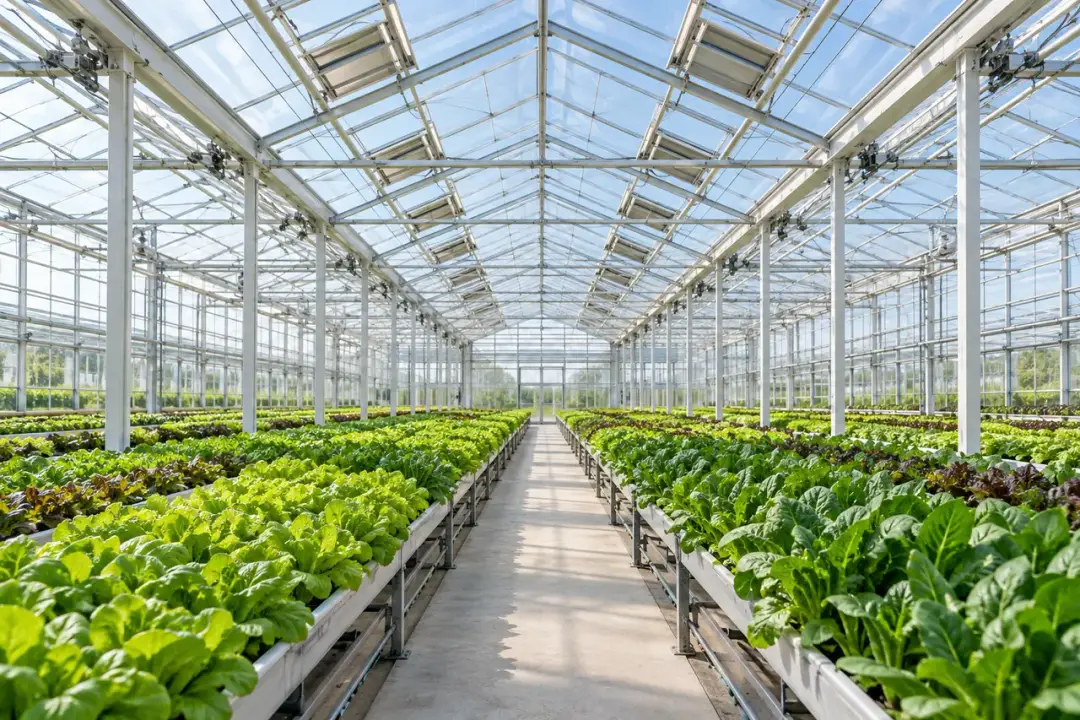
Indoor glasshouse with planted beds and diffuse daylight
Indoor plant environment · Illustrative scene

Compare the local environment around indoor plant displays and sheltered conservatory areas. Temperature, humidity and optional illuminance can describe differences between selected positions through the day. Horticultural staff interpret the readings against the needs of the plants and their care routine, with the light configuration agreed for the observation objective.

Measurements to monitor
Temperature and relative humidity; optional illuminance for selected plant-display positions.
Measurement point
Representative plant-display air and light positions chosen by the horticultural team.
Placement & installation
Keep sensing openings clear of foliage and irrigation spray; confirm suitability for the expected environment and selected light conditions.
Project details to specify
Share plant types, indoor layout, daylight or lamp arrangements, watering routine and the intended observation period.
Discuss this application

SERIES & CONFIGURATIONS

The right design.
The right configuration.

One monitoring purpose. Three wireless options. Select the network first, then confirm the temperature, humidity and light configuration for the space.

WIRELESS MODEL FAMILY

H200LoRa

For a planned site network

Coordinate the gateway, indoor coverage and platform connection for a group of sensing points.

Discuss this configuration ↗
WIRELESS MODEL FAMILY

H3004G Cat.1

For cellular monitoring

Confirm regional network support, SIM provisioning and signal conditions at the intended indoor location.

Discuss this configuration ↗
WIRELESS MODEL FAMILY

H500NB-IoT

For an NB-IoT deployment

Check local operator service and the reporting requirements of the monitoring project.

Discuss this configuration ↗
H Series temperature, humidity and light sensors — configuration reference
Product seriesH200 / H300 / H500
MeasurementsAir temperature · Relative humidity · Illuminance
Temperature range · published T&H reference−20°C to +80°C
Humidity range · published T&H reference0–100% RH
Typical temperature accuracy · T&H reference±0.2°C
Typical humidity accuracy · T&H reference±2% RH
Light measurementIlluminance in lux; range, resolution and accuracy specified for the supplied configuration
Sensing arrangementIntegrated terminal or project-specific probe arrangement, according to supplied configuration
Published T&H probe optionCable-mounted slotted sintered probe
Wireless optionsH200: LoRa · H300: 4G Cat.1 · H500: NB-IoT
Platform connectionHitelecom Platform or an agreed customer platform; MQTT support on the selected communication path
Published T&H enclosure protectionSpecified for the supplied THL configuration and installation environment
Device configurationNFC activation and configuration on supported terminals
Remote firmwareOTA on supported configurations
T&H reference battery designReference design: >10 years with 10-minute sampling and 4-hour reporting; actual service life depends on configuration and operating conditions.
Installation and customizationMounting and sensing layout selected for the project; OEM/ODM requirements by agreement

Bring the specification back to your project.

01

Describe the space

Share the application, room or case plan, country, point count and installation constraints.

02

Define the measurement

Confirm temperature, humidity and light requirements, expected conditions and the required channel performance.

03

Agree the deployment

Select the network, platform, mounting arrangement, reporting profile and quotation.

CONNECTIVITY & INTEGRATION

Your site.
Your data destination.

Choose Hitelecom Platform or discuss a customer platform connection. Confirm the data fields, units, device identifiers, communication path and alert responsibilities before deployment.

4G / NB-IoT

For distributed locations

Indoor sensing pointMobile networkHitelecom Platform
or your platform

Select the modem and regional bands around operator availability and coverage at the transmitter position. Agree the reporting profile, power arrangement and notification workflow.

  • Installation country and operator
  • Signal at the actual mounting position
  • Sampling, reporting and required alert response
LoRa

For points across one site

Indoor sensing pointsReceiver / gatewayHitelecom Platform
or your platform

Match the supplied radio protocol, regional settings and receiver or gateway. Specify any LoRaWAN requirement with the model and complete onward connection.

  • Device protocol and gateway compatibility
  • Site layout and radio coverage
  • Gateway power and onward data connection

Make the first reading useful.

Agree device identity, sensing point or channel, temperature, humidity and light units, and timestamps in a sample message. Check the endpoint and supported authentication, then test the complete path to the intended platform and recipients.

Discuss platform integration ↗

ANSWERS FOR YOUR PROJECT

Frequently
asked questions.

Practical answers for choosing measurement points, collection targets and a wireless monitoring configuration.

Ask about your project ↗
What does a temperature, humidity and light sensor measure?

It measures air temperature, relative humidity and illuminance at selected indoor sensing points. Illuminance is expressed in lux and describes the visible light falling on a surface.

Specify the channels, sensing arrangement and measurement performance for the supplied Hitelecom configuration.

Why monitor temperature, humidity and light together in a museum?

They describe different parts of the environment around a collection. Temperature and humidity observations support climate review; light observations support decisions about display lighting and exposure schedules.

Reading them in the context of the exhibit, its materials and opening hours gives conservators and facilities teams a shared basis for discussion.

How should we choose temperature, humidity and light targets for collections?

Start with the collection's materials, their condition, the existing environment and any agreed loan or exhibition requirements. Ask the conservation team to define the targets for each room or case.

Temperature and humidity limits can then inform the alert configuration, while light readings can be compared with the agreed display plan.

Where should sensors be placed in galleries, archives and display cases?

Place the air-sensing point where it represents the collection or zone you want to monitor. Consider shelving height, nearby walls, vents and doors. Treat an enclosed case as its own monitoring location when its internal conditions are important.

Record the point on the site plan and agree the terminal or probe arrangement before installation.

Where should the light-sensing face be positioned for an exhibit?

Choose a position and orientation that represent the illuminated surface or display area being assessed. Keep the sensing face clear of shadows from the enclosure, mounts or nearby objects, and record its direction.

Use a commissioning light check at the exhibit to confirm that the fixed monitoring position answers the intended lighting question.

How are lux readings used when reviewing exhibition lighting?

Compare the measured light level with the exhibit's lighting target and note how it changes with daylight, lamp settings and opening hours. Both intensity and duration matter when planning exposure for light-sensitive materials.

If the project requires cumulative exposure analysis, include time-stamped illuminance data, units and the calculation workflow in the platform brief.

How should measurement and reporting intervals be selected?

Choose the measurement interval around the changes you need to observe, such as lighting schedules, case access or room operation. Choose the reporting interval around the team's remote-review and alert needs.

Agree both with the required data coverage and battery plan. A project intended to study brief changes needs a different profile from a long-term seasonal overview.

Which wireless model and platform should we choose for an indoor installation?

Choose H200 for LoRa, H300 for 4G or H500 for NB-IoT. Evaluate coverage at the actual monitoring points, including enclosed cases, basement stores and internal rooms.

For LoRa, plan the gateway and platform path. For cellular models, confirm local network service and provisioning. Hitelecom Platform or an agreed customer platform can form the monitoring destination.

What measurement performance and calibration information should we specify?

Specify the expected operating conditions and required range, accuracy and resolution for each channel. For light, include the expected low-light or brighter-room conditions and sensing orientation.

Agree how readings will be checked at commissioning, which calibration documents the project needs and a review schedule suited to the installation. Compare the supplied specification with the measurement task.

What should be included when planning battery life?

Use the selected channel list, measurement and reporting intervals, operating conditions and network quality to define the battery plan. Confirm the calculation for the supplied temperature, humidity and light configuration.

The published T&H reference design states more than 10 years with 10-minute sampling and reporting every four hours under stated test conditions. Sampling and reporting intervals can be agreed for the project, and actual service life depends on the battery pack, selected channels, operating temperature and radio conditions. Match that reference to the final project configuration.

LET'S TALK ABOUT YOUR PROJECT

Your space.
Let’s plan the monitoring.

Tell us about the room, collection or operation you want to monitor. We’ll help match the measurement channels, installation and data connection to your project.

sales@hitelecom.cn ↗

Start with the space and the purpose.

A room plan, display-case photo or monitoring procedure helps us understand the location. Add your temperature, humidity and light targets, reporting needs and platform requirements.

PROJECT ENQUIRY

Let’s find your configuration.

H Series temperature, humidity & light monitoring

Review your brief, then send it with your email app.

You can also email your project details directly.