


Solar power with storage
Solar generation and energy storage bring a field power arrangement to the monitoring point. The energy budget follows the site exposure and sampling duty.

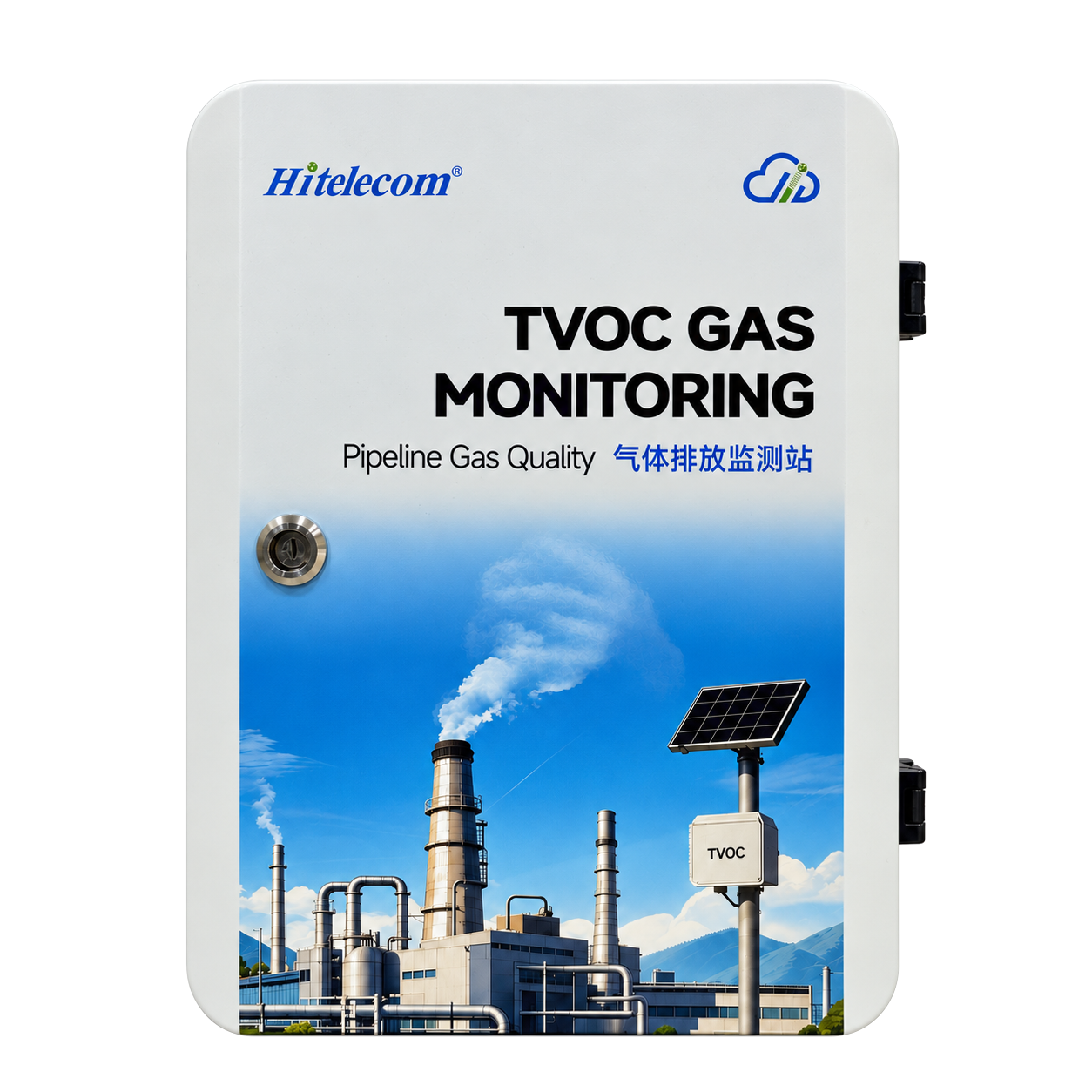
TVOC concentration monitoring for industrial pipeline and exhaust sampling points. Solar power with energy storage supports field installation, with 0–10, 0–40 and 0–100 ppm range options and minimum resolution of 1 ppb. View readings online through Hitelecom Cloud and receive configured threshold alerts. Sampling intervals and target-gas configurations are customizable.
INDUSTRIAL TVOC MONITORING
Follow TVOC at a selected process or exhaust point. Relate concentration changes to production stages, solvent handling and the condition of downstream treatment.
Solar generation and energy storage bring a field power arrangement to the monitoring point. The energy budget follows the site exposure and sampling duty.
Select 0–10, 0–40 or 0–100 ppm for the concentration expected at the sample point, with room for normal process variation.
Minimum resolution is 1 ppb, equivalent to 0.001 ppm. It describes the concentration increment, separately from accuracy and detection limit.
Match the sampling schedule to the production cycle or outlet trend you need to observe, from repeated operating checks to longer-term comparisons.
View uploaded TVOC readings online and receive alerts when configured thresholds are exceeded. The project data connection, reporting interval and notification channels are agreed for the supplied configuration.
Adapt the monitoring requirement to a specified target gas when the application extends beyond TVOC. The measurement configuration follows the requested gas.
WHAT THE READING TELLS YOU
A TVOC reading is most useful when the sample point and process state are known. Use a consistent measurement basis to compare production stages, outlet conditions and maintenance outcomes.
Compare readings from the same extraction branch during solvent use, batch changes and routine cleaning. Repeated concentration patterns help the team identify which operating stages deserve closer review.
Follow the outlet of an appropriate adsorption or polishing stage. A rising concentration trend can prompt inspection of the bed, the incoming load and the operating conditions.
Compare concentration readings before and after servicing under similar process conditions. The comparison adds evidence to the maintenance review and helps identify points needing further investigation.
The sample connection and gas path carry the process gas to the measurement point. Appropriate materials, controlled sample conditions and accessible service points help maintain a consistent basis for the concentration reading. The cabinet and solar assembly can be positioned to suit the site, with the sample route reviewed separately.
PIPELINE SAMPLING INSTALLATION
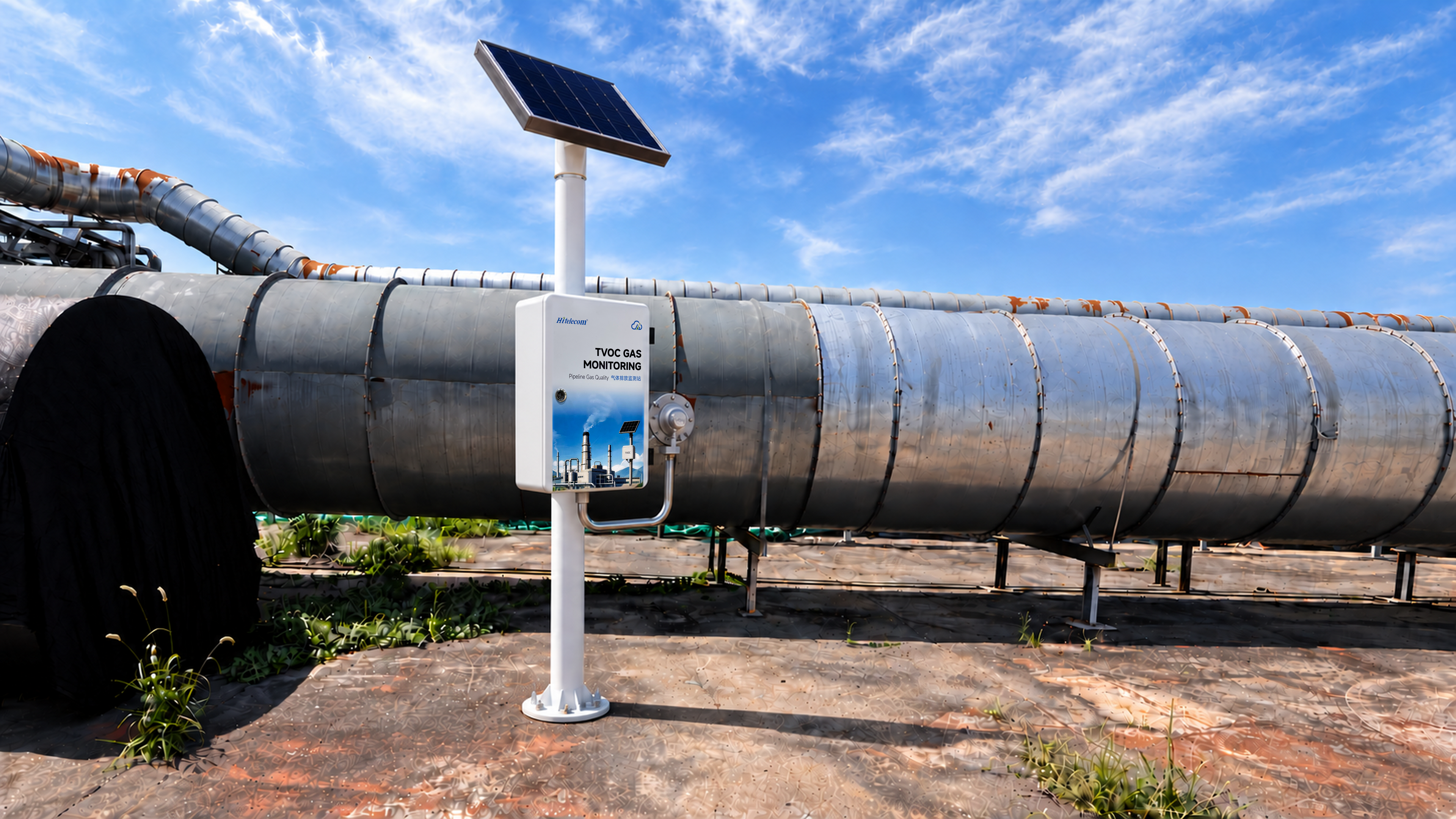
The illustrated arrangement combines a monitoring cabinet, solar assembly and pipeline sample connection. At the installation stage, the gas interface, sample route and service access are coordinated with the location of the solar equipment.
FROM SAMPLING TO OPERATIONAL REVIEW
Choose the sampling interval around the duration and frequency of the changes of interest. A repeated production cycle may need a different schedule from a slowly changing treatment outlet. Sample transport and measurement response are considered alongside the interval when assessing which events can be observed.
Use the identified pipeline or extraction connection, with a sample path suited to the gas and the conditions at that point.
Use the selected 0–10, 0–40 or 0–100 ppm range and the sampling interval appropriate to the monitoring task.
Review readings alongside production stages, solvent use and treatment operation. Compare like operating conditions at the same point.
Use an unexpected rise or a changed operating pattern to focus inspection and maintenance, then review the readings after the intervention.
Solar power supplies energy at the site, while storage supports the operating profile between periods of generation. Panel and storage sizing depend on the local solar resource, equipment load and sampling schedule. The site energy budget sets the practical operating duty.
APPLICATIONS
Explore manufacturing, solvent recovery, storage and environmental treatment applications. Each task connects a specific gas-sampling point with a practical question about production, collected vapour or treatment operation.
12 application categories 33 monitoring tasks
Application examples guide project selection. Confirm the actual gas response, normal and peak concentrations within the selected range, and sample conditions at each point. Images illustrate processes; they are not verified customer installations.
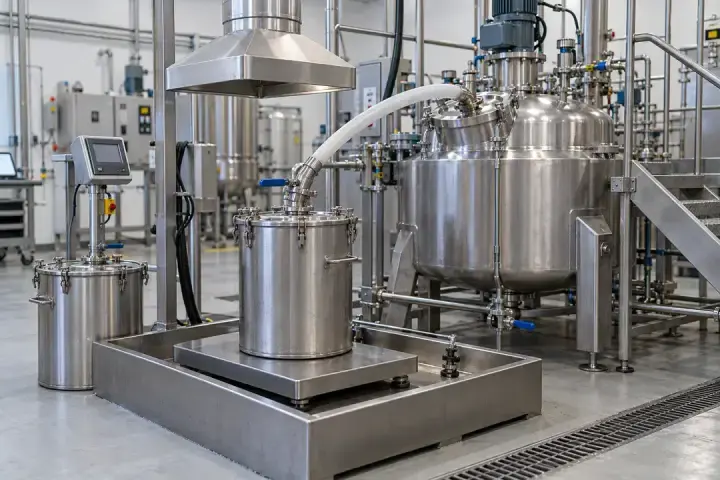
Follow solvent-related gas streams through formulation, mixing and filling. Relate concentration changes to batch stages and material changes, with a defined extraction branch for each operation.
Solvent addition, powder charging and mixing create different conditions around a formulation vessel. Follow the collected gas to compare batch stages and investigate departures from an established operating pattern. Keeping the sampling point tied to one station makes production records more useful when recipes or handling methods change.
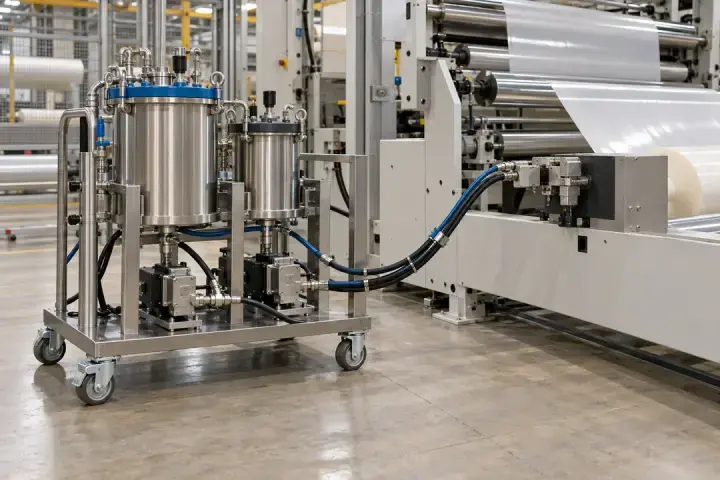
Solvent-based adhesive and sealant production can release organic vapour during ingredient addition and mixing. Observe the dedicated process extraction to compare formulations, batch transitions and operating cycles. A change in the reading provides a reason to review the production stage and gas composition alongside the extraction conditions.
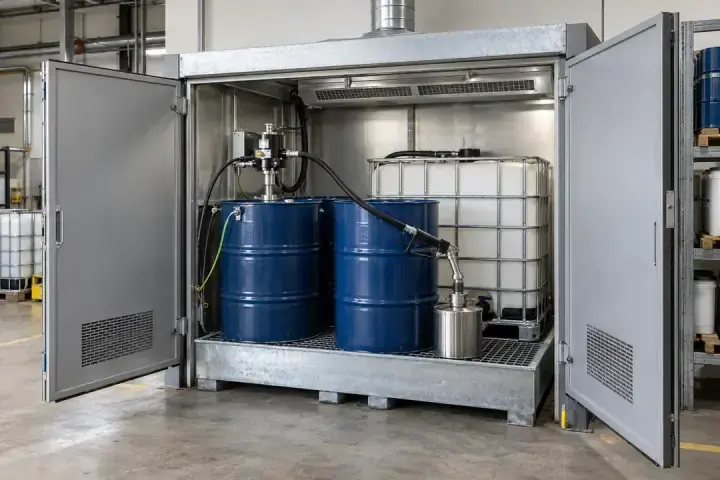
Track collected vapour around enclosed filling and dispensing operations. Compare similar transfer cycles, container sizes and idle periods to identify changes associated with handling. The useful measurement point is the station exhaust, where its operating context can be recorded consistently, rather than an unspecified gas connection anywhere in the filling system.
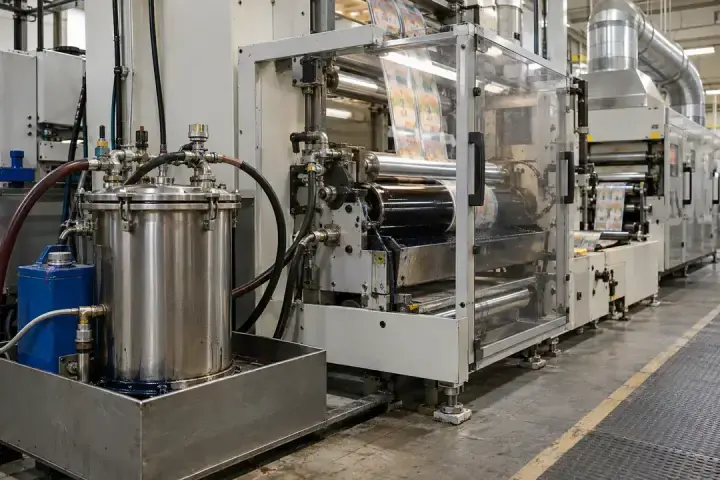
Printing, laminating, web coating and press cleaning have different solvent-use patterns. Assign the reading to a recognisable machine or branch so job changes and production stages can be compared.
Follow collected gas from a gravure or flexographic printing unit during production. Compare concentration patterns with ink systems, job changes and press operating stages. Recording which units feed the branch helps separate a change in the printing process from a change caused by combining additional exhaust streams.
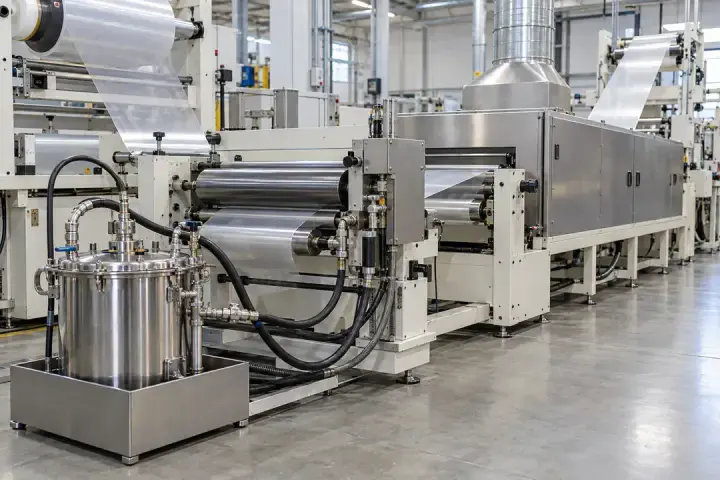
Solvent-based lamination brings together adhesive application, web handling and drying. Follow a defined lamination-line gas stream to compare adhesive systems, line speeds and production phases. The concentration record can help focus a process investigation and review the line after changes to its collection or treatment equipment.
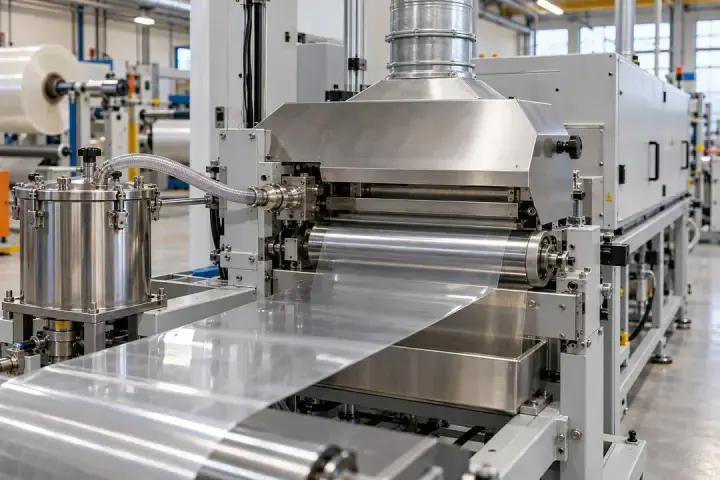
Adhesive tapes, labels and functional coated webs can produce organic vapour during coating and drying. Monitor a defined exhaust point to compare coating recipes and operating runs. Reviewing concentration alongside line speed and extraction conditions helps identify which production changes deserve closer investigation.
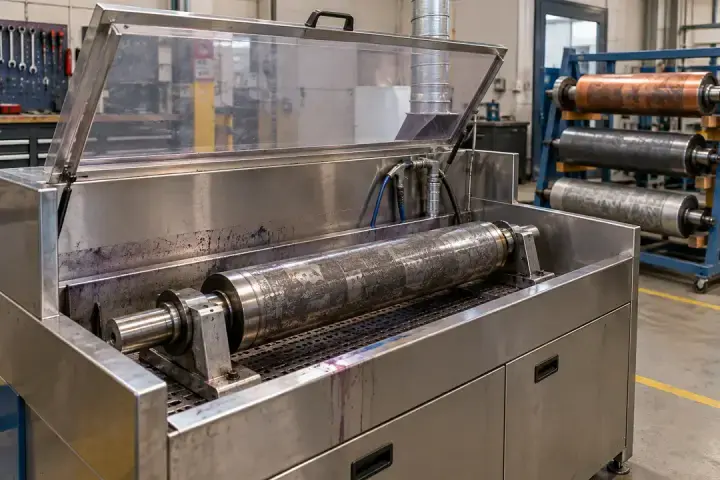
Compare TVOC in collected gas during repeated press-cleaning routines. Readings can help the team examine how cleaning method, solvent use and the time after cleaning affect the selected extraction point. Interpret the pattern with the duration of the operation and the verified behaviour of the sampling arrangement.
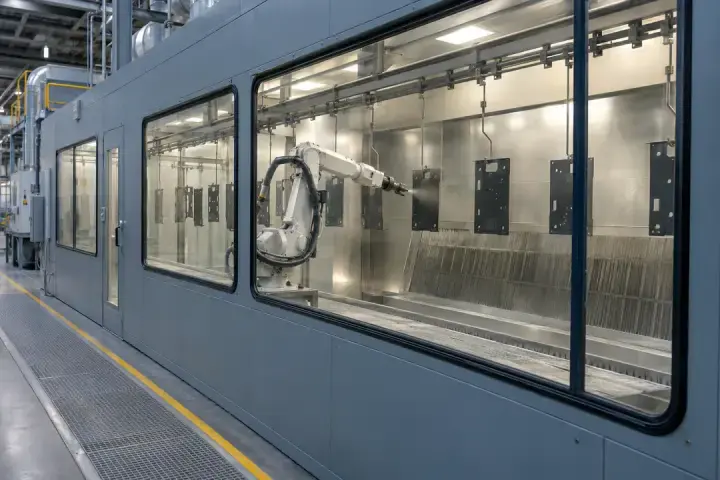
Connect coating and cleaning operations to their own exhaust measurements. Spray-booth gas, cleaning-station extraction and paint-preparation air each provide a different view of the production process.
Observe TVOC in a selected spray-booth exhaust branch after paint-mist control. Compare similar coating runs or review changes associated with paint formulation and production activity. The concentration trend adds gas-phase information to the process review, while airflow and filter-condition checks remain part of assessing the extraction system.
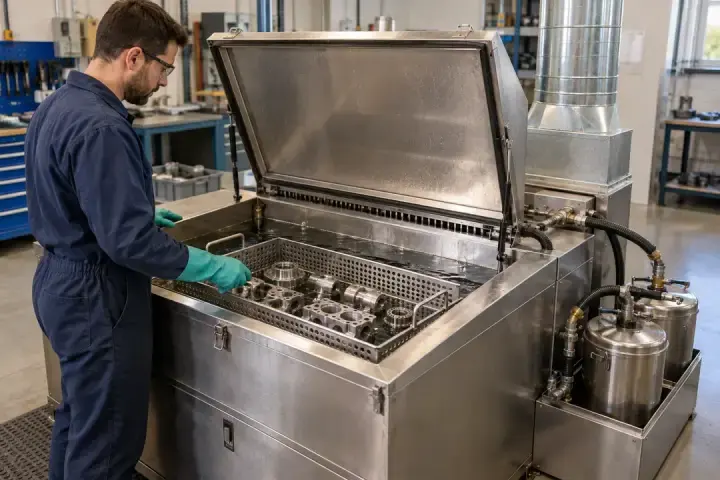
Follow a low-concentration extraction branch serving an enclosed parts-cleaning operation. Compare readings during cleaning, unloading and the period after the cycle to understand the pattern at that point. A change from comparable cycles can guide inspection of cleaning conditions and the local collection arrangement.
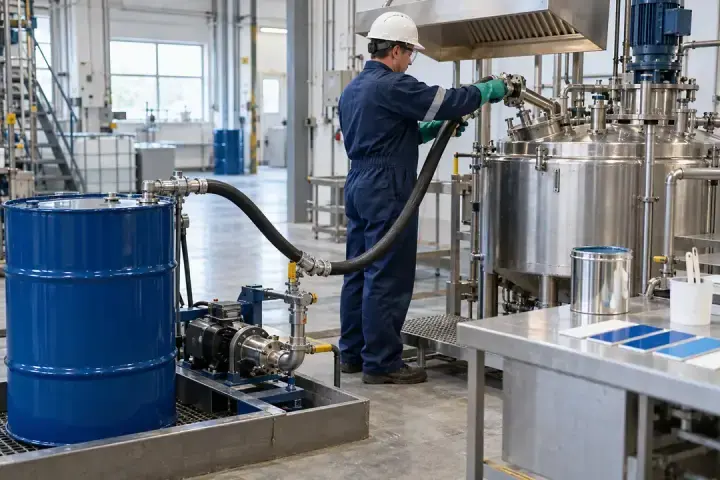
Paint preparation and colour changes can alter the solvent load entering a finishing plant’s extraction system. Follow the paint-kitchen branch during mixing, dispensing and associated cleaning. Comparing equivalent operations helps the team review handling changes without confusing the preparation area with the spray booth or curing oven.
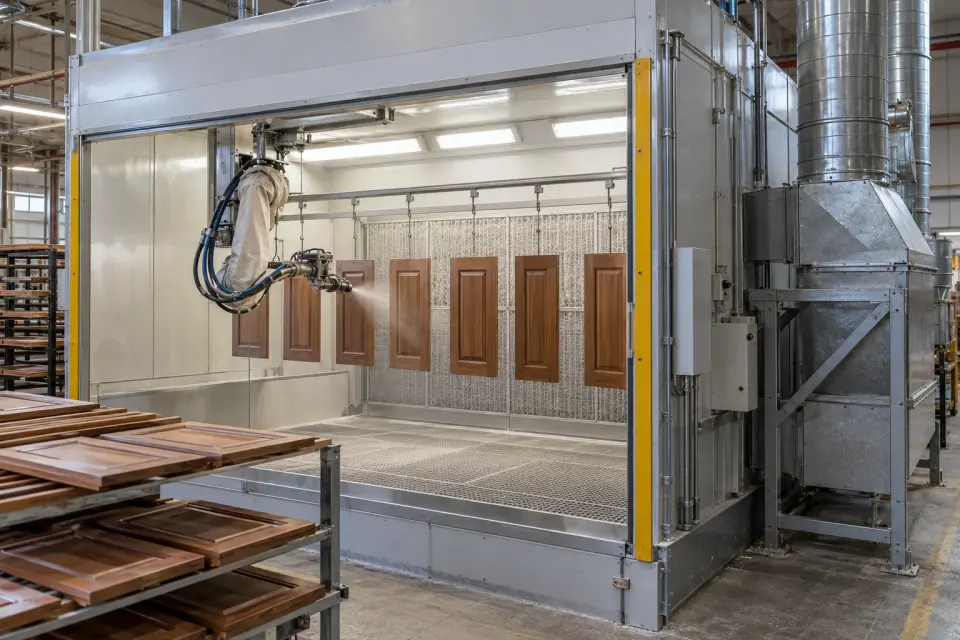
Wood finishing, panel lamination and solvent-based footwear bonding involve distinct materials and capture arrangements. Use process exhaust readings to review production, rather than treating finished-product emissions testing as the same measurement.
Solvent-based wood finishes release vapour during application and drying. Observe the finishing-line extraction after suitable mist control to compare coating materials, workpiece batches and operating periods. This adds a gas-phase record to production review while the team separately checks booth airflow, overspray capture and filter condition.
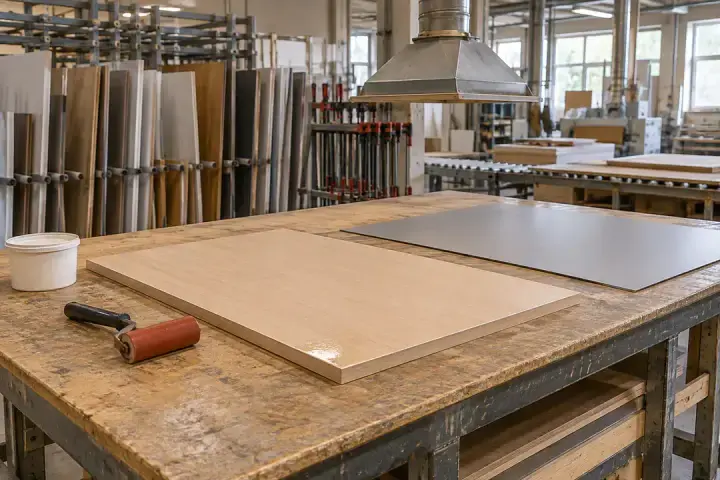
Contact-adhesive application and panel bonding can create changing vapour loads as materials are prepared, coated and assembled. Follow the collection branch serving the bonding station to compare adhesive systems and production cycles. Stable sampling and extraction conditions make the record more useful when a line or material is changed.

Where footwear assembly uses solvent-based primers or contact adhesives, follow vapour collected at the application and bonding stations. Compare material changes and work cycles at a consistent gas point. The reading supports process review; solvent-free or water-based production may present a different monitoring requirement.
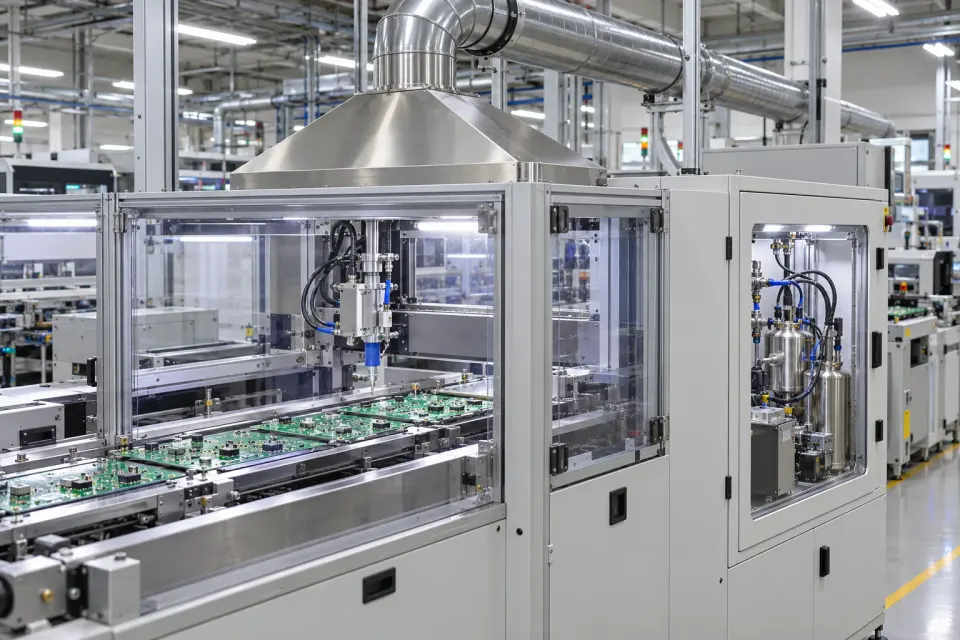
Electronics assembly and battery electrode production both use organic materials, but their gas streams differ. Keep solvent-process extraction separate from special-gas lines, and identify the actual recovery or treatment stage before selecting a sample point.
Solvent cleaning, conformal coating and related electronics processes can feed dedicated organic exhaust branches. Follow the relevant equipment group to compare material changes, cleaning cycles and production activity. A well-defined branch helps the process team interpret a concentration change without combining unrelated acid, alkali or special-gas exhaust systems.
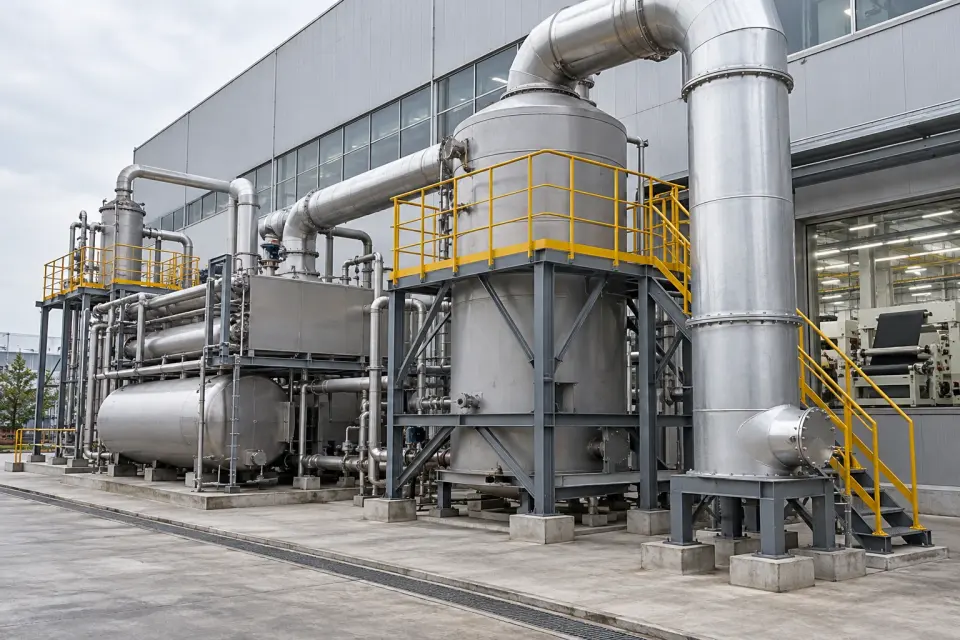
Solvent-based electrode coating and drying can be coupled to solvent recovery and final polishing. Observe the gas leaving the appropriate final stage to compare residual organic concentration with production load and service records. This provides an outlet-condition check linked to electrode manufacturing, with the measurement configured for the solvents actually present.
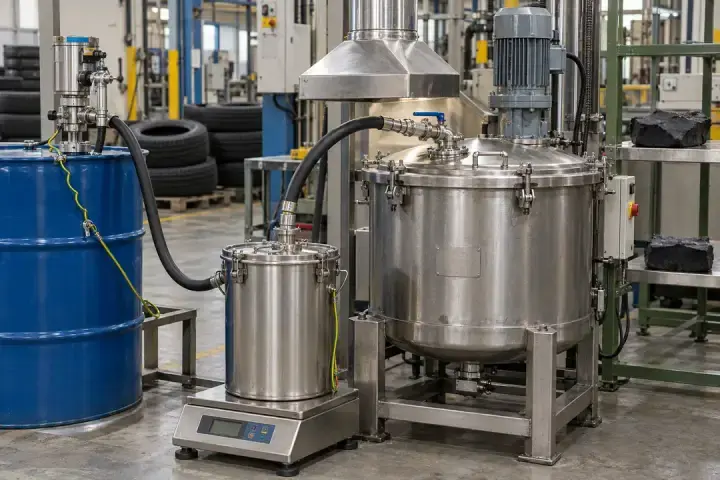
Review organic gas from rubber preparation, coated-fabric production and resin-composite work. These processes involve different mixtures and carry-over, so identify both the source operation and the gas phase being measured.
Rubber-cement preparation and solvent-containing compounding steps can release vapour during mixing and handling. Follow the local collection branch to compare formulations and batch stages. Concentration changes can guide review of material addition and operating practice while dust, mist and extraction flow are assessed independently.
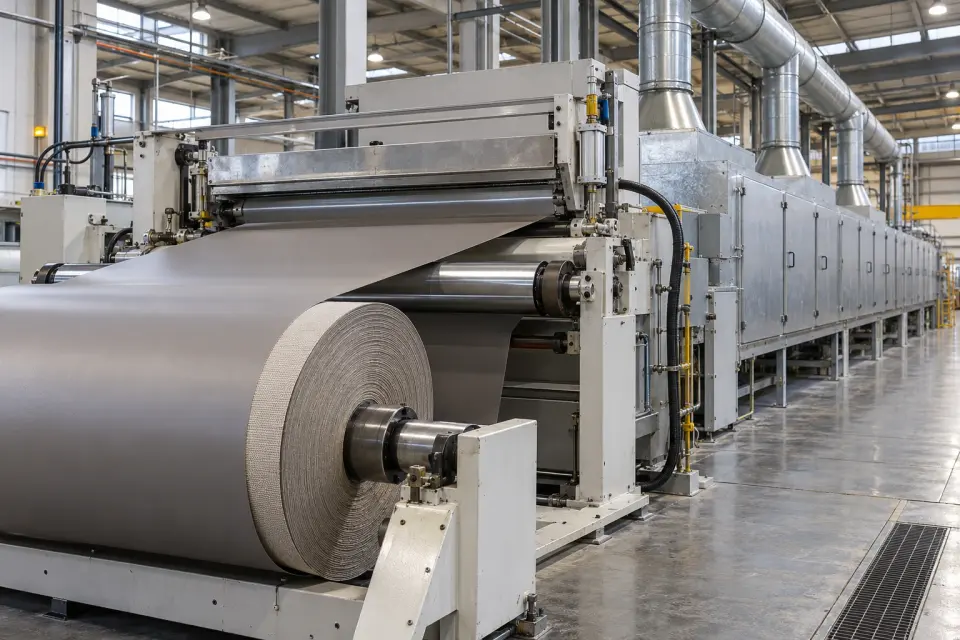
Coated textiles and synthetic-leather production can generate organic exhaust during application and drying of solvent-bearing layers. Follow a defined line outlet to compare coating formulations, web speeds and production stages. This keeps the monitoring question specific to the coating process rather than implying that every plastics process has the same gas composition.
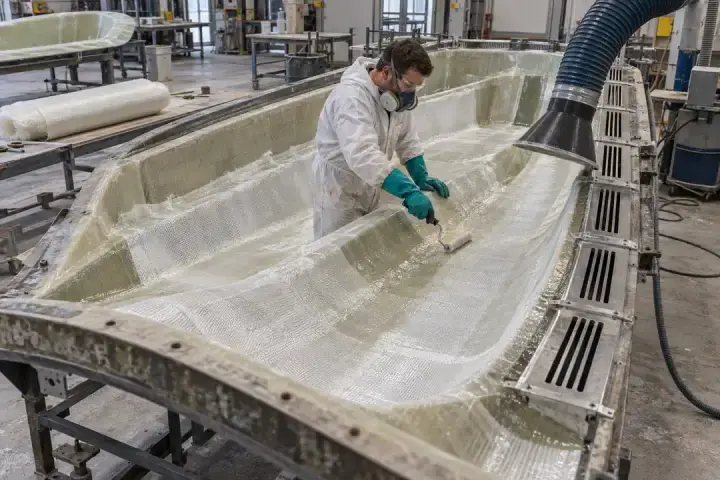
Resin preparation, lay-up and composite forming can release organic vapour as the work progresses. Follow the local extraction serving the moulding operation to compare resin systems, production cycles and changes in work practice. Interpret the total response using the actual mixture; a TVOC reading is not a separate concentration for each resin ingredient.
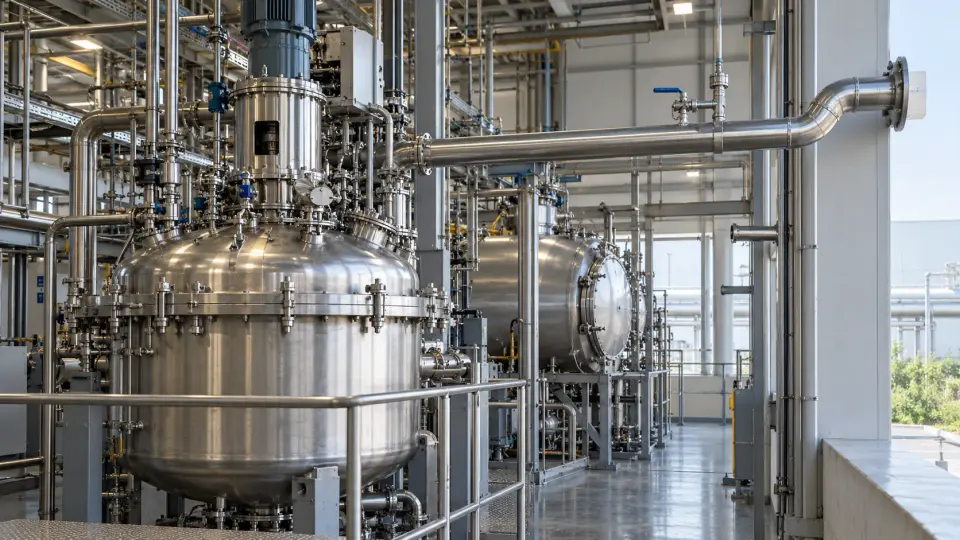
Batch synthesis, solvent removal and fine-chemical production create different organic gas loads. Tie each reading to a known process stage and its recovery or treatment route so batch and maintenance records remain meaningful.
Solvent-using pharmaceutical production can produce changing vent loads during charging, reaction and batch transitions. Follow a defined process-vent stream after the appropriate recovery or treatment stage. Correlating the outlet with batch records helps the team investigate departures from comparable runs without treating a total VOC value as product-quality or solvent-purity analysis.
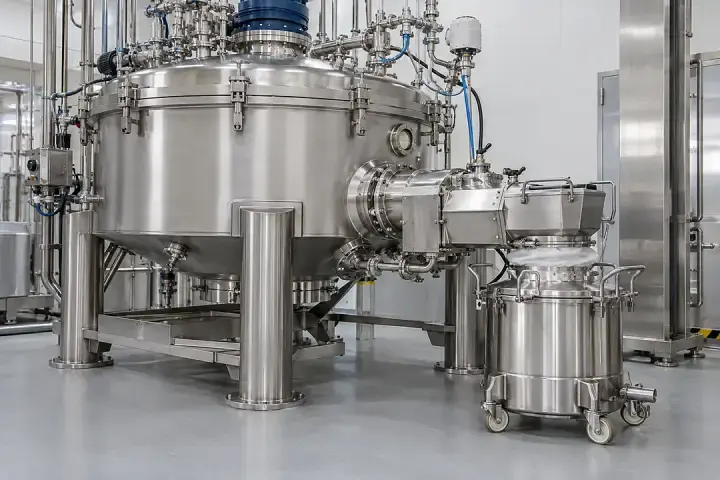
Solvent removal in filter-dryers and other pharmaceutical drying equipment changes over the production cycle. Follow the gas after the associated recovery or treatment system to compare drying stages and outlet behaviour. The record supports process investigation and maintenance review; it does not directly measure residual solvent in the finished material.
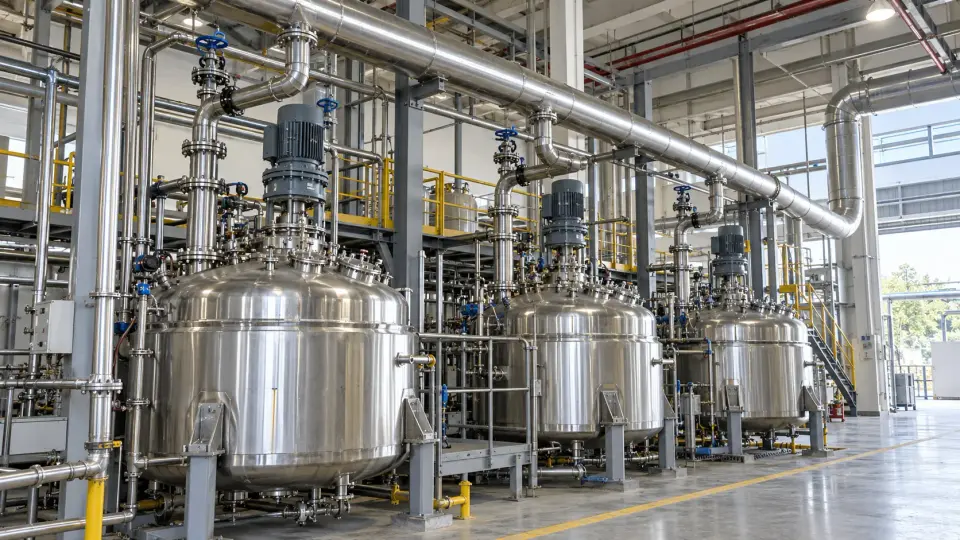
Fine-chemical plants often collect gas from several batch operations. Monitor an identified branch or its treated outlet to compare campaign changes, vessel duties and operating periods. Document which processes contribute to the point so a change in mixture or source routing is not mistaken for a change in one operation alone.
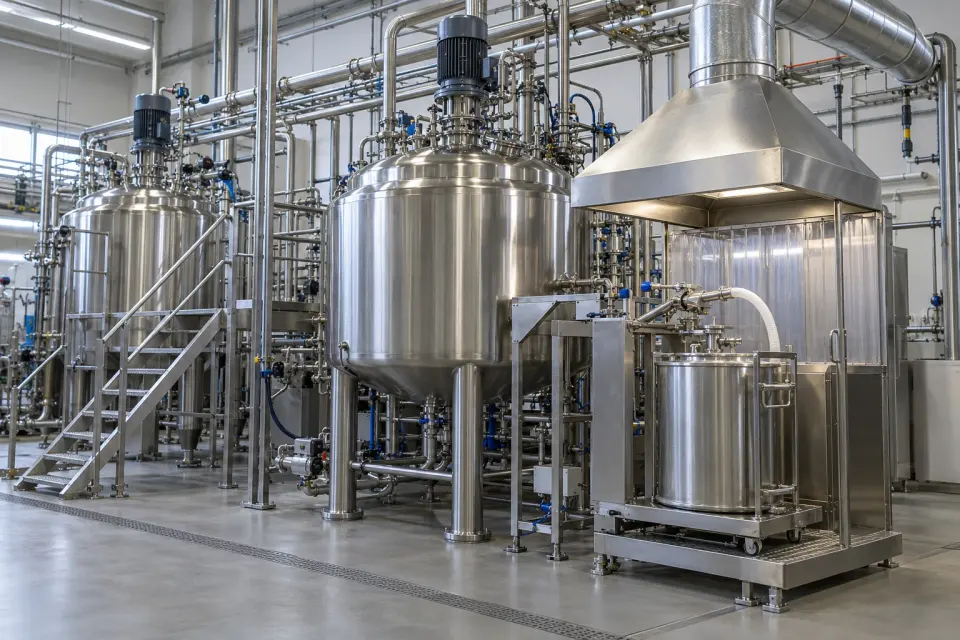
Alcohol-based blending and fermentation-related exhaust can contain organic vapours. Focus on the relevant gas stream and operating stage; gas-phase TVOC is distinct from flavour quality, product alcohol content and odour intensity.
Alcohol-based flavour, fragrance and personal-care formulations can release vapour during ingredient addition and blending. Follow the collection branch to compare recipes, charging stages and cleaning periods. This gives production teams a consistent gas-phase reference for investigating process changes without presenting the reading as a formulation assay or sensory-quality measurement.
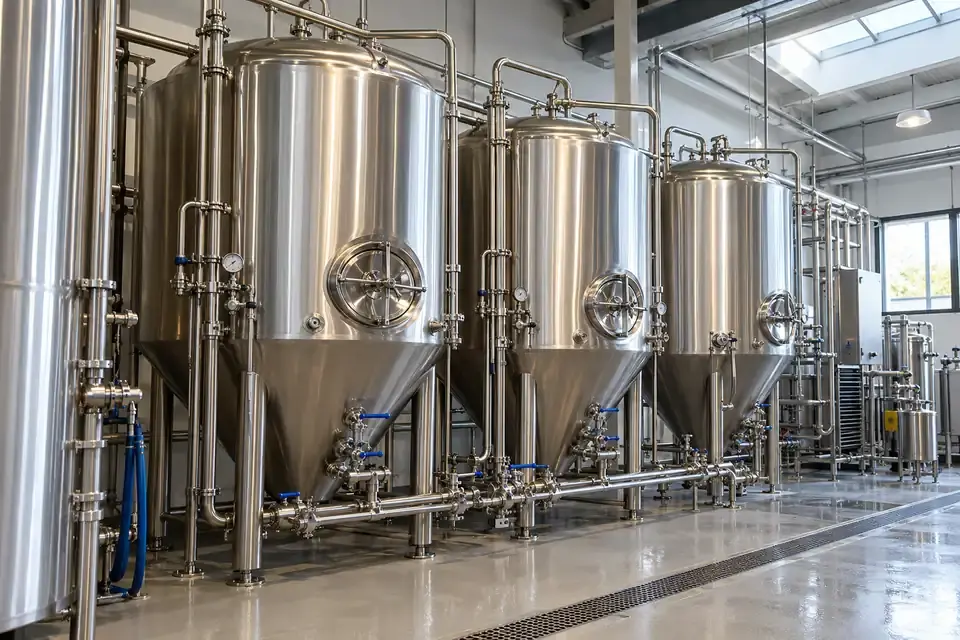
Alcohol fermentation and related processing can release ethanol-bearing gas. Follow a suitable gas point after the installed recovery or exhaust-treatment stages to compare operating periods and outlet conditions. The measurement concerns organic vapour in that stream; it does not measure fermentation rate, liquid alcohol concentration or the carbon dioxide released by the process.
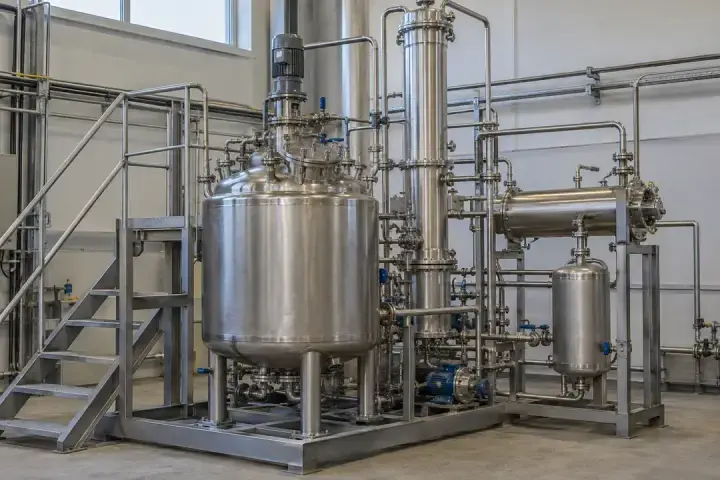
Recovered solvent, non-condensable tail gas and receiving-area extraction represent different monitoring duties. Use the correct gas connection to relate outlet concentration to feedstock changes, operating cycles and service work.
Solvent regeneration separates recoverable liquids while leaving a residual gas stream for further handling. Follow the tail gas after the installed final treatment to compare feed batches, operating phases and maintenance changes. The concentration record gives information about that gas outlet, rather than the purity or recovery yield of the liquid solvent.
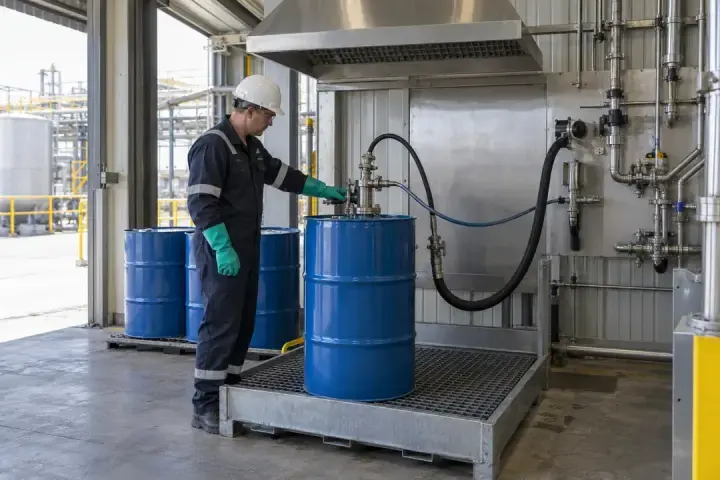
Reclaimed solvents can create vapour during filling and product transfer. Follow the collection branch serving the filling station to compare product grades, container changes and operating cycles. Recording the transferred material alongside the reading helps interpret mixture-dependent changes and distinguish production activity from an altered extraction arrangement.
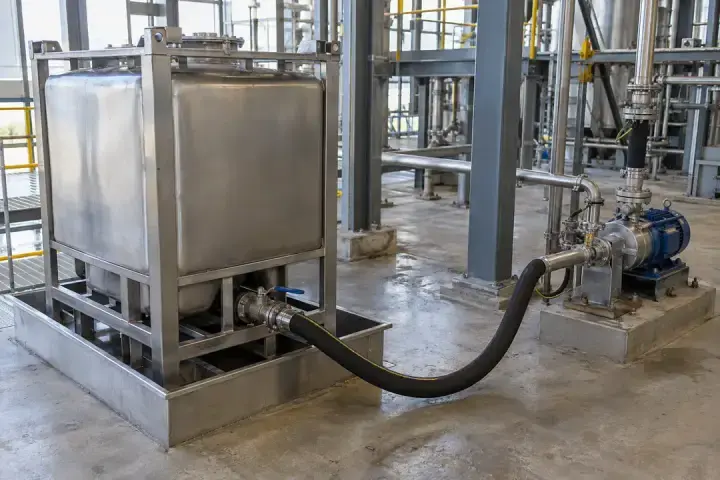
Waste-solvent recovery plants receive feedstocks with varying composition. Observe the enclosed receiving or feed-preparation extraction to compare deliveries and handling periods. A concentration change can help identify a batch that needs further investigation, while independent feed analysis establishes composition and the recovery process requirements.
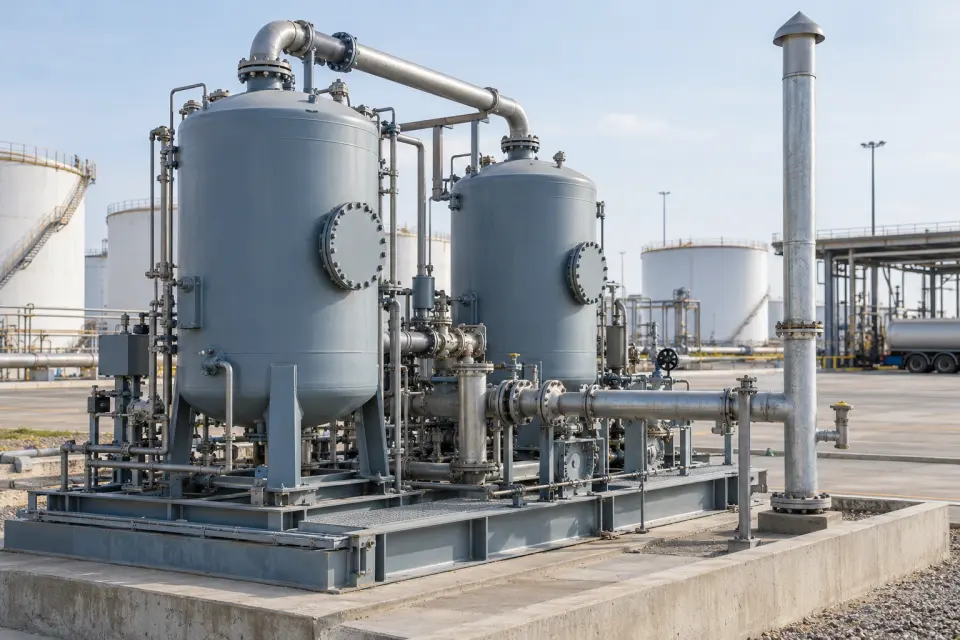
Storage and loading operations create variable vapour loads. For this range of TVOC monitoring, evaluate the appropriate treated-gas outlet rather than assuming that concentrated tank headspace and raw loading vapour are equivalent sample streams.
Loading-terminal vapour recovery units handle gas displaced during transfers. Follow the treated outlet during loading cycles to compare its concentration pattern with throughput and service records. This can support investigation of a changed outlet condition, with the measurement basis and range established for the actual gas leaving the unit.
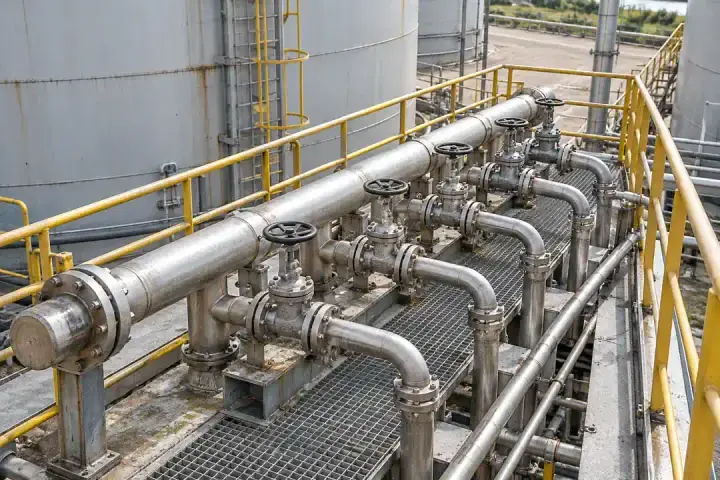
Tank filling, withdrawal and temperature changes can alter the load on a vent-treatment system. Observe the appropriate treated outlet to relate concentration changes to tank operations and maintenance history. Keep the measured stream identifiable where several tanks share a treatment train, so changes in source routing can be interpreted correctly.
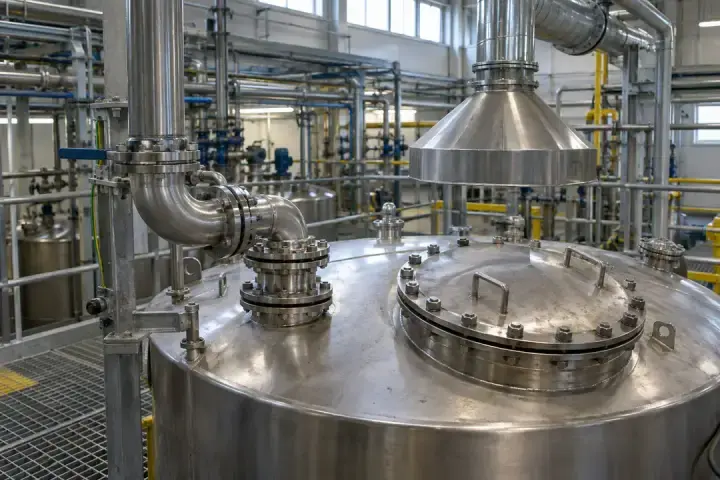
Where industrial effluent or residues contain volatile organics, the collected gas can provide a useful operating signal. Distinguish the gas-phase question from water-quality analysis, solids testing and monitoring of other odorous or hazardous gases.
Volatile constituents in industrial wastewater can enter the gas collected above covered receiving or equalization facilities. Follow a representative extraction point to relate gas-phase changes to incoming process streams and operating events. The result can guide investigation or separate water sampling, while remaining distinct from a measurement of pollutants in the liquid.
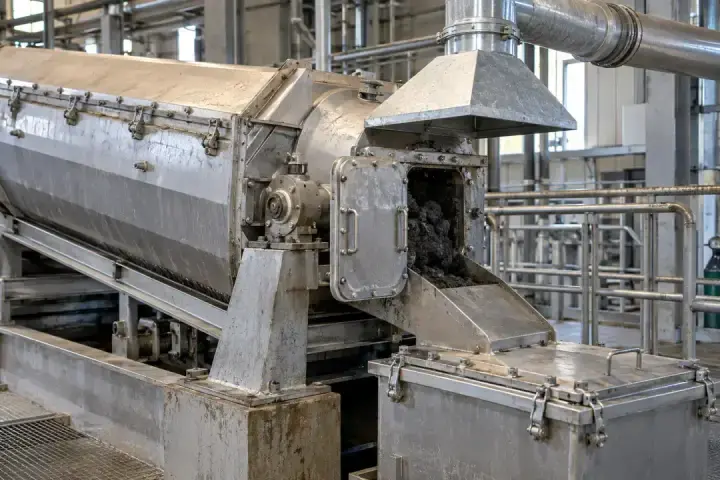
Dewatering or handling industrial residues can release organic vapour when the material contains volatile solvents. Follow the enclosed equipment’s collection branch to compare feed changes and handling cycles. Use the gas record to support process investigation, alongside separate checks of dust, moisture, residue composition and other gases present.
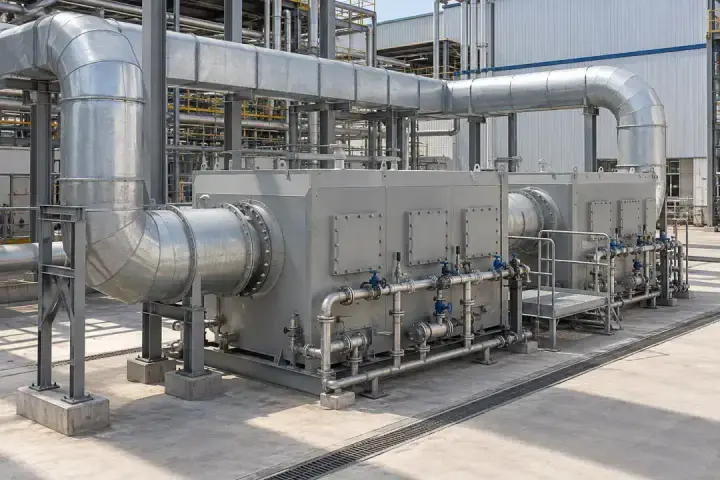
A shared treatment system needs a clear relationship between production load, treatment stage and outlet reading. Use identified sample points for concentration trends and maintenance checks, with airflow and comparable measurement conditions assessed separately.
Follow TVOC leaving a primary adsorption bed to see how its outlet condition changes during service. When a polishing bed is installed downstream, a sample point between the beds gives the team visibility of the first stage. A rising trend can prompt review of the incoming load and the timing of bed service.
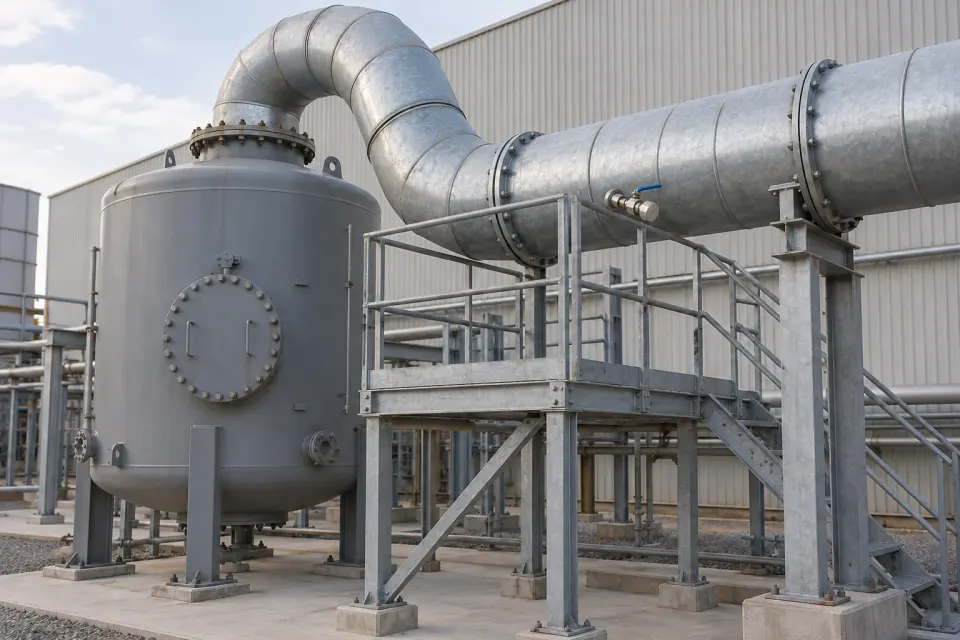
Observe TVOC after the final adsorption or polishing stage. An established outlet baseline makes a sustained change easier to recognize and investigate. Review the reading alongside production load and treatment records, including after media replacement, so the team can compare the outlet under similar operating conditions.
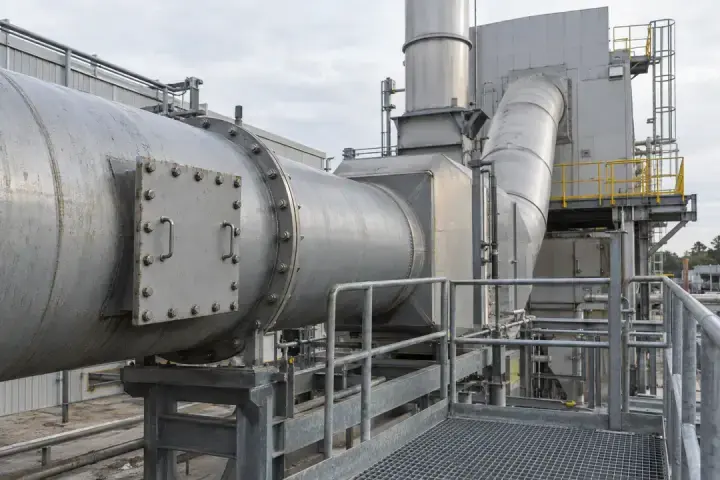
A central treatment outlet combines the effect of the contributing production lines and the treatment process. Follow its TVOC concentration to compare plant operating periods and review changes after maintenance. Keep production-load and flow information with the record; concentration alone cannot establish removal efficiency or the mass of emissions released.
TVOC RANGE OPTIONS
Choose the range from measured or reliably characterized concentrations at the proposed sampling point. Include the expected variation so normal operation stays within the selected span.
TVOC concentration range option
Discuss this range ↗TVOC concentration range option
Discuss this range ↗TVOC concentration range option
Discuss this range ↗| Product | Solar-Powered Pipeline TVOC Sensor |
|---|---|
| Measurement duty | TVOC concentration in sampled industrial pipeline and exhaust gas |
| Range option 1 | 0–10 ppm TVOC |
| Range option 2 | 0–40 ppm TVOC |
| Range option 3 | 0–100 ppm TVOC |
| Minimum resolution | 1 ppb (0.001 ppm) |
| Sampling interval | Customizable |
| Target gas | TVOC; other target-gas configurations can be customized |
| Power architecture | Solar power with energy storage |
| Energy configuration | Sized for the site solar resource, system load and operating schedule |
For a characterized low-concentration sample point where normal levels and expected variation remain within 10 ppm.
For a sample point requiring a wider concentration span, with expected operating variation remaining within 40 ppm.
For a sample point requiring the widest published option, with normal and expected peak concentrations remaining within 100 ppm.
HITELECOM CLOUD & PROCESS REVIEW
View uploaded TVOC readings online through Hitelecom Cloud and receive alerts when configured thresholds are exceeded. Connect each reading to its monitoring point and operating state to help your team review changes and plan follow-up.
A recurring rise at the same stage of production gives the team a specific operation to examine. Compare solvent use, extraction conditions and process changes before drawing conclusions.
Readings collected under similar operating conditions provide a useful comparison after an adsorption-bed change or work on the sample path. Keep the maintenance record with the interpretation.
Confirm the data connection, reporting interval, alarm thresholds and notification channels for the project. Keep monitoring-point identity, units and timestamps with each reading so your team can relate an alert to the process.
Discuss cloud access and alerts ↗TECHNICAL QUESTIONS
How to interpret TVOC readings, select a range and prepare an industrial gas sampling point.
Ask about your project ↗It measures TVOC concentration in gas taken from a defined industrial pipeline or exhaust point. Applications span solvent-using manufacturing, recovery and storage facilities, and industrial environmental treatment. Readings can support production comparisons, outlet-condition checks and maintenance review. The gas mixture, normal and peak concentration, and conditions at the measurement arrangement determine the project configuration.
Examples include chemical, paint and adhesive plants; printing and packaging lines; automotive finishing; furniture and footwear production; electronics and battery manufacturing; rubber and composite operations; pharmaceutical and fine-chemical plants; and alcohol-based food, fragrance and personal-care processes. Solvent-recovery plants, storage terminals and industrial wastewater or waste facilities also have relevant gas streams.
The industry identifies the monitoring need, not a universal connection point. A factory may have dilute extraction air, concentrated process vapour and treated outlet gas with very different conditions. Select the actual sampling point and configuration for the operating question.
No. A TVOC value does not identify individual compounds. Interpretation depends on the sensing technology and calibration basis. A change in the gas mixture can change the response, so comparisons are most meaningful when the gas composition and measurement basis remain consistent.
One part per billion equals 0.001 ppm. Minimum resolution describes the smallest specified concentration increment; it is not a statement of accuracy, detection limit or repeatability. Performance for the selected range and gas configuration is documented separately.
Start with measured or reliably characterized normal and peak concentrations at the proposed sample point. Select a span that includes the expected operating variation. A lower range should not be chosen solely because the normal reading is low if routine excursions will exceed it. Raw process vapour, tank headspace and concentrated recovery streams may exceed these ranges.
The interval is one part of the measurement chain. Sample-line transport time and the response of the supplied measurement configuration also determine which changes can be observed. A short interval alone does not demonstrate that a short-duration peak will be captured; the complete sampling arrangement must be assessed against the event duration.
A rising outlet concentration under comparable operating conditions can be a reason to inspect an adsorption bed and review the incoming load. Interpret it with process conditions, bed history and other relevant measurements. Concentration alone does not establish removal efficiency or total emitted mass; those calculations require additional information, such as suitable inlet measurements and gas flow.
The connection depends on the gas and process conditions. Pressure, temperature, moisture, condensation, dust and liquid droplets must be assessed before the sample reaches the measurement arrangement. The interface and any conditioning are selected to meet the sample-inlet requirements of the supplied configuration.
The gas must reach the measurement point without an unacceptable change in composition. Tubing materials, line length, condensation and deposits can influence transport and response. Select the sample path for the target compounds and site conditions, and include it in inspection and maintenance planning.
The operating duty depends on the local solar resource, shading, seasonal conditions, system load, storage capacity and sampling schedule. Solar power and energy storage are included in the product architecture; a specific autonomy period or uninterrupted operating duration requires a site energy budget and the selected hardware configuration.
It allows the required measurement configuration to be discussed for a specified gas and concentration range. It does not mean that a TVOC reading can be reused as the concentration of any other gas, or that the product identifies multiple individual compounds. Compatibility and measurement performance are assessed for the requested target gas.
The maintenance plan follows the supplied measurement arrangement and gas conditions. It should cover inspection of the sample connection and tubing, checks for condensation or deposits, servicing of any sample-treatment components, and calibration or verification at suitable intervals. Work on the gas path should be recorded because it can affect subsequent comparisons.
The required interface, receiving system, data format and reporting interval are confirmed for the supplied configuration. Include sampling-point identification, units and time references in the data requirements. Sampling interval, data reporting interval and sensor response are separate specifications.
The sensor measures TVOC concentration for industrial process observation, treatment-outlet checks and maintenance review. Statutory emissions reporting, occupational exposure assessment and protective safety functions require their own measurement methods, performance criteria and applicable approvals. Suitability for any of those duties must be verified separately.
PLAN YOUR MONITORING POINT
Tell us where the gas will be sampled and what you need to understand from the reading. Hitelecom can review the TVOC range, sampling interval and solar-plus-storage arrangement for that monitoring point.
sales@hitelecom.cn ↗Useful starting information includes the gas composition, normal and peak concentrations, process conditions and a photograph or drawing of the sampling point.