

China Accelerates Underground Utility and Tunnel Upgrades
Editor's note: This article is an edited summary of CCTV reporting on China's urban underground utility and utility tunnel upgrades, republished via the Urban Utility Tunnel and Underground Space Committee. It has been condensed for readability; please refer to the original CCTV report for the full content.
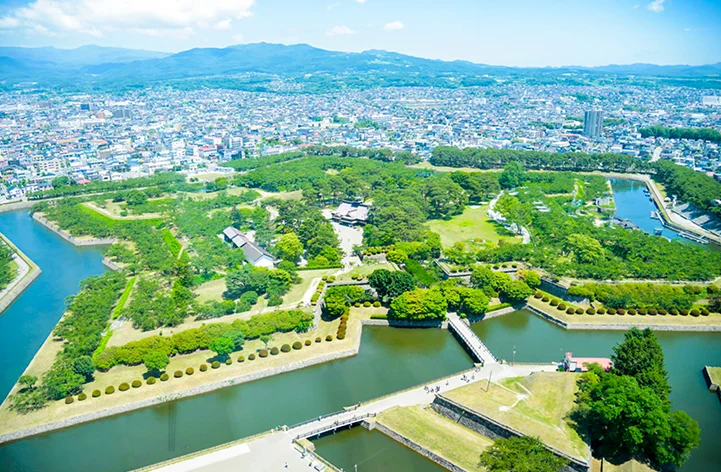
Over the next five years, China will accelerate the renovation and construction of five types of urban underground utilities and integrated utility tunnels, with the goal of establishing a sustainable urban renewal model. It is estimated that nearly 600,000 kilometers of urban gas, water supply and drainage, and heating networks will require renovation during this period. Between 2023 and 2024, the central government allocated more than RMB 470 billion through the central budget, additional treasury bonds, and ultra-long-term special government bonds, mainly supporting urban renewal projects such as the renovation of underground gas and drainage utilities and the upgrading of old residential communities. According to the Ministry of Housing and Urban-Rural Development, the goal for this year is to renovate more than 100,000 kilometers of aging pipelines.
Drainage and Flood Prevention in 100 Cities
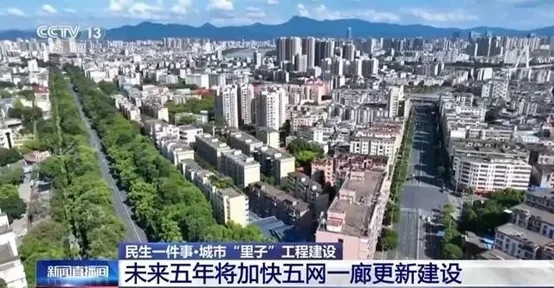
The National Development and Reform Commission has stated that priority will go to key urban renewal projects — especially gas, water, and heating networks — focusing on major cities and densely populated central urban areas and on projects that are underway or can start within the year, to address aging gas networks, urban waterlogging, and water-supply leaks. To improve drainage and flood prevention, localities have been directed to make effective use of national bond funds, with a target of completing the remediation of more than 1,000 waterlogging points in 100 cities by the end of the year, under an engineering approach that combines "source reduction, network discharge, storage and discharge, and emergency response."
Local Projects Underway
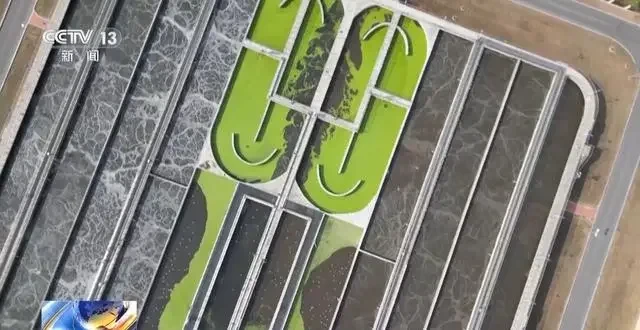
In Dalian, Liaoning, the first rainwater and sewage diversion project serving old urban districts in Northeast China — the Jinzhou Old City District renovation — has been completed and put into operation. Covering more than 120 kilometers of pipelines across residential areas, schools, hospitals, factories, and roads, the project integrates the collection, transport, management, purification, and reuse of sewage and rainwater into an automated, full-process management system. In Changsha, Hunan, 12 measures were introduced this year to strengthen the construction and quality management of urban drainage networks, covering design planning, network connection, material selection, and process optimization, while the second phase of the drainage pipeline renovation along Xiangjiang Avenue is underway.
Utility Tunnels Expand with Online Monitoring
Cities are also accelerating the construction of integrated underground utility tunnels, which bring electricity, water, telecommunications, and other utilities into shared structures and reduce repeated road excavation. Nanjing plans to advance utility tunnels in main and key areas together with road, rail transit, and urban renewal projects during the 14th Five-Year Plan period; Chongqing has issued management measures promoting extensive cable tunnels; and Shandong has issued guidelines covering 34 aspects of utility tunnel planning, construction, registration, operation, and maintenance. Qingdao has built 21 utility tunnel pilot projects across five areas, all now operational.
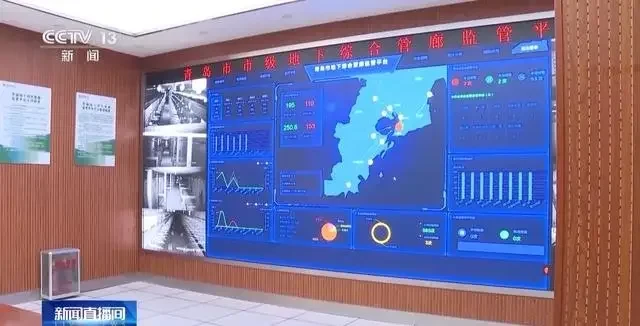
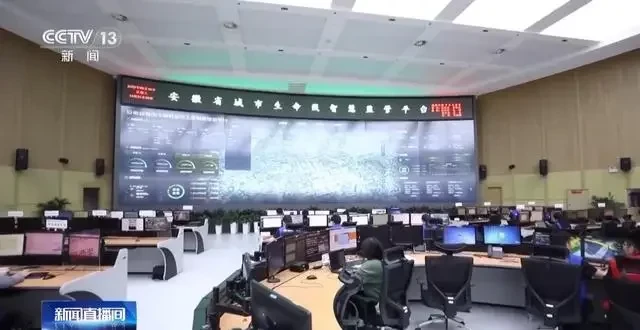
Alongside construction, regions are using IoT and big data technologies to build safety operation monitoring platforms that enable comprehensive online monitoring and management of both tunnel structures and the pipelines inside them. In Xiong'an, underground utility tunnels carrying electricity, telecommunications, gas, heating, and water supply are managed through unified design, operation, and monitoring. In Hefei, Anhui, a comprehensive database of underground pipelines and associated facilities supports data collection, mobile inspections, data sharing, and archival management throughout the asset lifecycle, strengthening the city's ability to manage safety risks.
For the industrial IoT sector, these programs underline how pipeline, tunnel, and drainage upgrades increasingly ship with sensing and monitoring built in. Hitelecom provides the pressure, level, distance, and gas sensor terminals and the cloud monitoring platform relevant to such municipal monitoring scenarios.
Source: CCTV News (reporters Yang Xiao, Tan Zhenhua, Yu Jie, and Yao Yao), republished via the Urban Utility Tunnel and Underground Space Committee. Edited summary by Hitelecom.