


H Series · Tilt Sensor
The Hitelecom H Series tilt sensor is a wireless IoT inclinometer for structural health monitoring. It measures X/Y axis tilt (three-axis optional) at ±0.005° accuracy and 0.001° resolution, is designed for more than 10 years of battery life at hourly reporting under specified test conditions, and carries an IP68 rating for long-term outdoor deployment. Connectivity options are 4G, NB-IoT and LoRa.
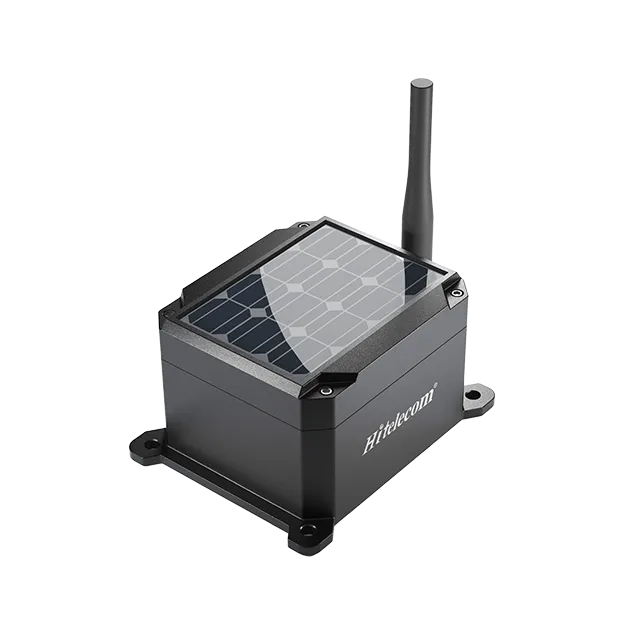
Key Features
-
 Accuracy: ±0.005° (customizable)
 -
 IP68-Rated Enclosure
 -
 Resolution: 0.001°
 -
 Supports NFC activation and local device configuration.
 -
 Supports remote OTA firmware updates.
 -
 Wireless options: 4G LTE, NB-IoT, and LoRa.
 -
 Remote Angle Monitoring: Access Data Anywhere
 -
 Smart Alerts: Automatic alerts when configured thresholds are exceeded.
| Product Models | H200 / H300 / H500 |
|---|---|
| Measurement Axes | X-Axis · Y-Axis (customizable to three axes) |
| Accuracy | ±0.005° |
| Resolution | 0.001° |
| Protocol | MQTT |
| Wireless | 4G / NB-IoT / LoRa |
| Operating Temperature | -20°C to 70°C |
| Storage Temperature | -20°C to 80°C |
| Battery Life | Designed for > 10 years at a 1-hour reporting interval under specified test conditions |
| Ingress Protection | IP68 |
| Installation | Ear mount · Pole clamp · Slot |
| Configuration | NFC activation; OTA firmware upgrade |







Applications
This product supports the following monitoring applications:
-
Slope stability monitoring
Supports earlier identification of abnormal slope movement on highways, open-pit mines, and cut embankments.
-
Railway infrastructure
Monitors track bed settlement, retaining walls and catenary mast inclination along railway lines.
-
Tunnel monitoring
Tracks lining convergence and segment rotation during and after tunnel construction.
-
Bridge deformation
Measures pier tilt, girder rotation and bearing displacement for bridge health monitoring.
-
Metro and subway structures
Monitors station box deflection and shield tunnel deformation near adjacent excavation works.
-
Construction sites and temporary structures
Watches scaffolding, tower cranes, formwork and site sheds for unsafe inclination.
-
Sea dikes and dams
Continuous inclination monitoring of embankment dams, sea walls and reservoir slopes.
-
Heritage buildings and ancient pagodas
Non-invasive tilt tracking for protected historic structures where drilling is not permitted.
-
Tree tilt monitoring
Detects root failure and lean progression in urban trees ahead of typhoon season.
-
Street light poles
Flags pole inclination from vehicle impact or foundation loosening across municipal lighting assets.
-
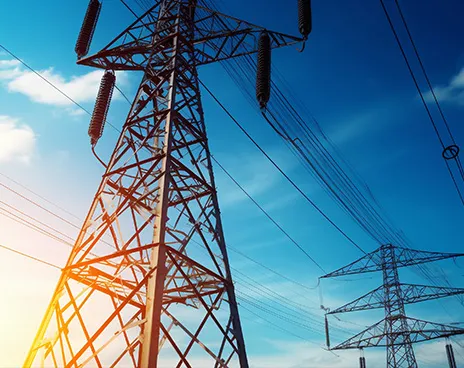
Transmission towers
Monitors foundation settlement and tower inclination on power transmission lines.
-
Telecom towers
Tracks mast verticality and guyed-tower alignment for communication infrastructure.
-
Warehouse racking
Detects rack upright deflection from forklift impact, supporting earlier intervention before damage escalates.
Frequently Asked Questions
- What structures can the H Series tilt sensor monitor?
- The H Series tilt sensor is deployed on slopes and embankments, railway infrastructure, tunnels, bridges, metro structures, construction sites and temporary works, sea dikes and dams, heritage buildings and ancient pagodas, urban trees, street light poles, transmission towers, telecom towers, and warehouse racking. Its IP68 rating and long battery life suit it to long-term outdoor installation; battery life depends on reporting interval, network coverage, and site conditions.
- How accurate is the H Series tilt sensor?
- Standard accuracy is ±0.005° with 0.001° resolution on the X and Y axes. A three-axis configuration is available on request, and accuracy can be customized for applications requiring tighter tolerance.
- How long does the battery last?
- Designed for more than 10 years at a one-hour reporting interval under specified test conditions. Battery life scales with reporting frequency; more frequent reporting shortens service life. Most configurations run on battery without mains power or a solar panel — confirm power options for your configuration.
- Which wireless technology should I choose — 4G, NB-IoT or LoRa?
- Choose 4G where cellular coverage is reliable and higher data rates or firmware updates over the air are needed. Choose NB-IoT for deep-indoor or underground sites such as tunnels and basements where penetration matters more than bandwidth. Choose LoRa when deploying a dense cluster of sensors on one site with a private gateway and no per-device SIM cost.
- Can it be installed on heritage structures without drilling?
- Yes. The sensor supports ear mount, pole clamp and slot installation. For protected structures, clamp and adhesive mounting avoid penetrating the fabric of the building. Contact Hitelecom for site-specific mounting guidance.
-
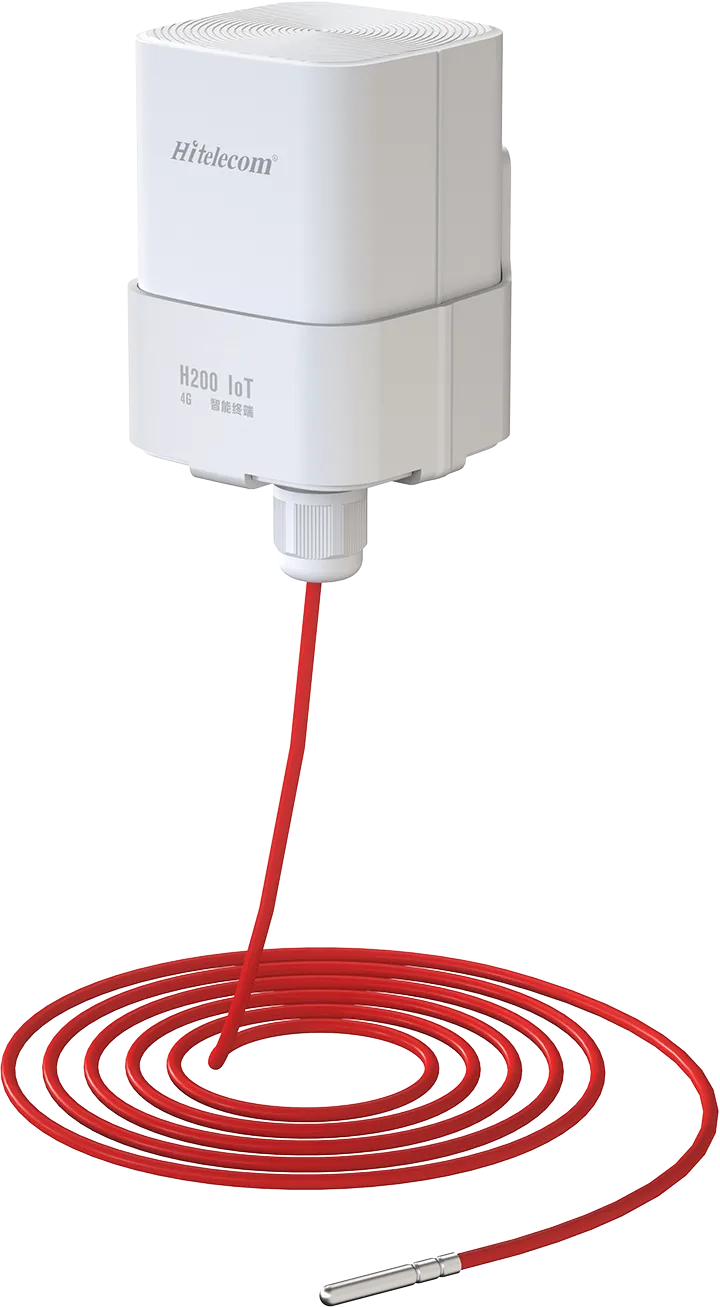 Temperature SensorNB-IoT | 4G LTE | LoRa
 -
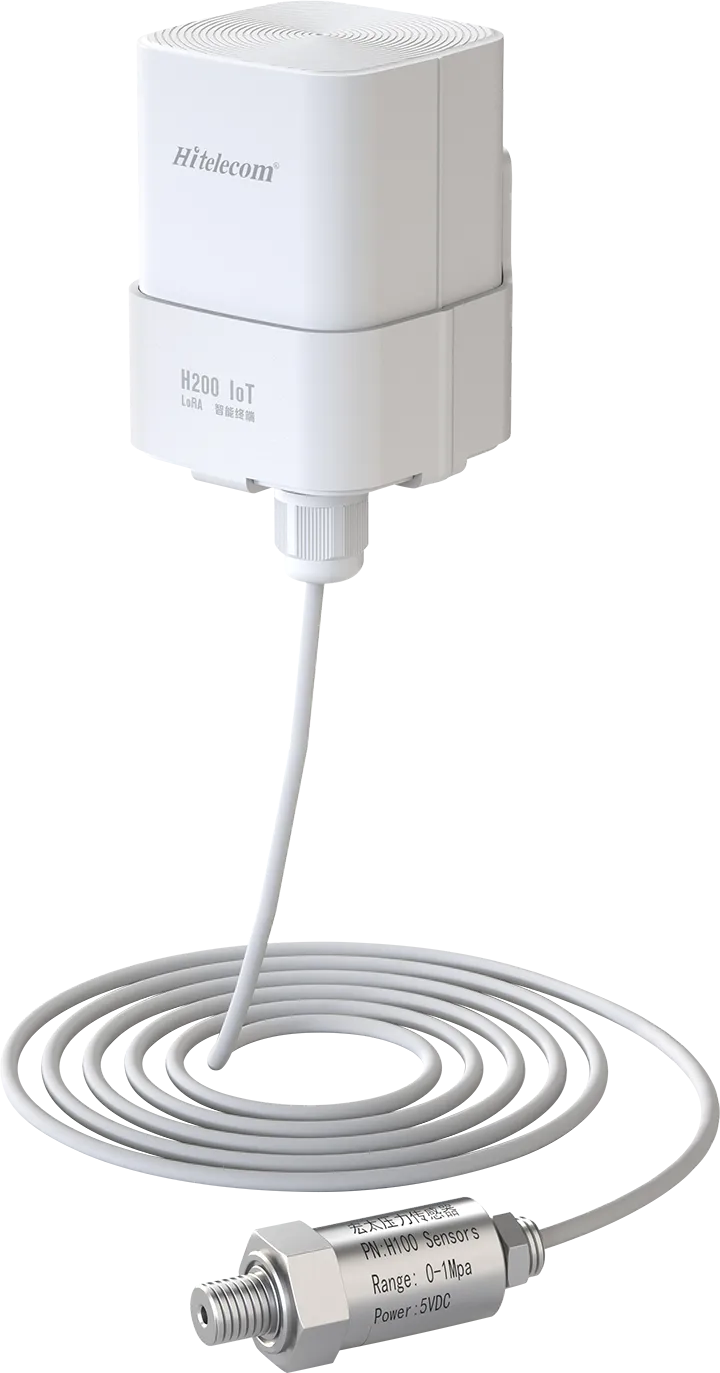 Pressure SensorNB-IoT | 4G LTE | LoRa
 -
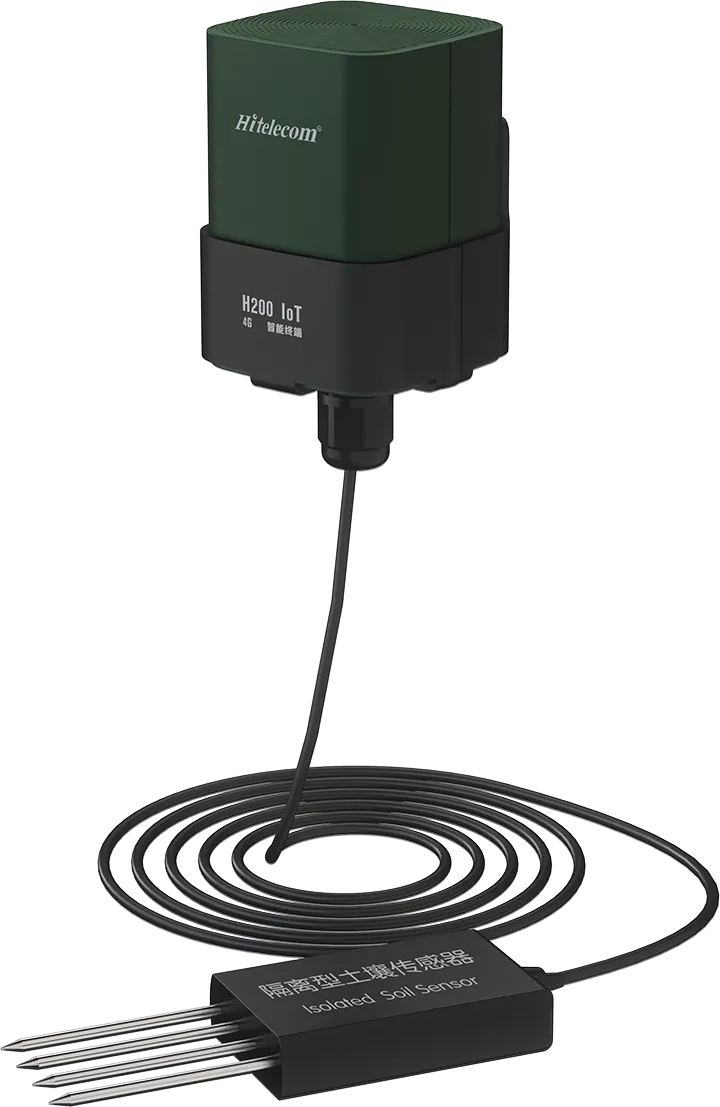 Soil SensorNB-IoT | 4G LTE | LoRa
 -
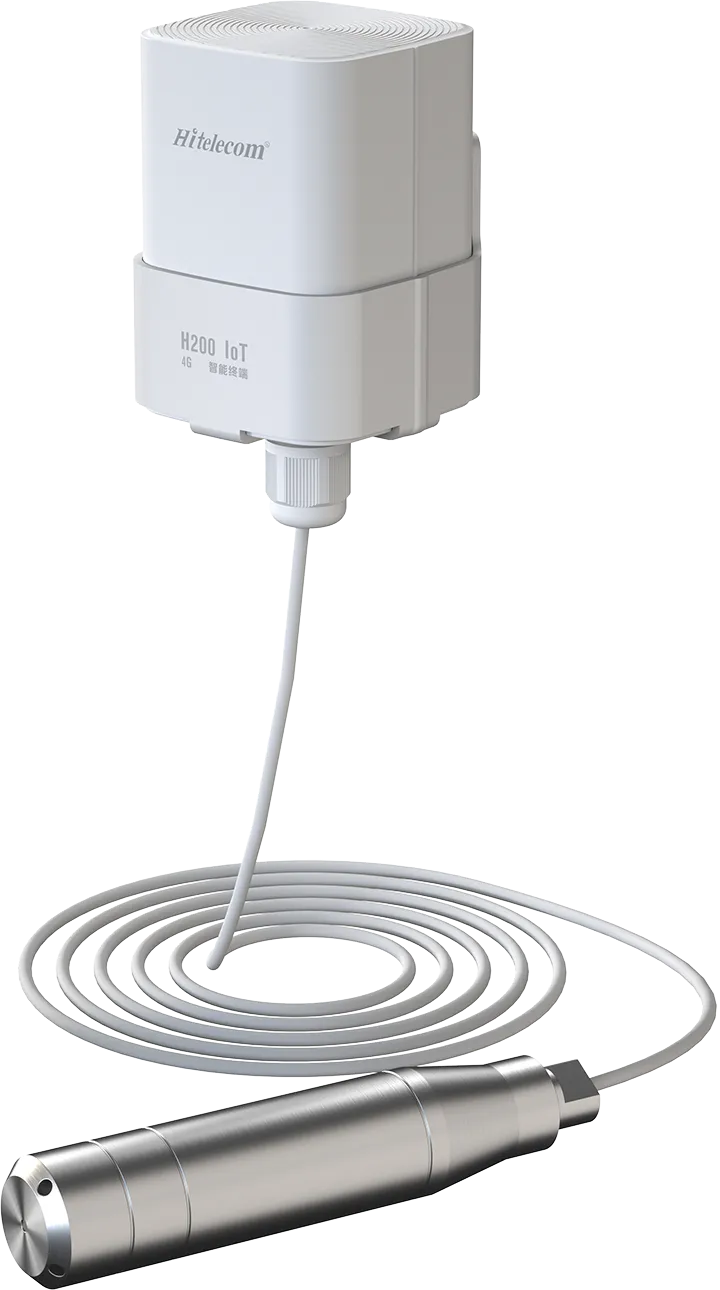 Radar Level SensorNB-IoT | 4G LTE | LoRa
 -
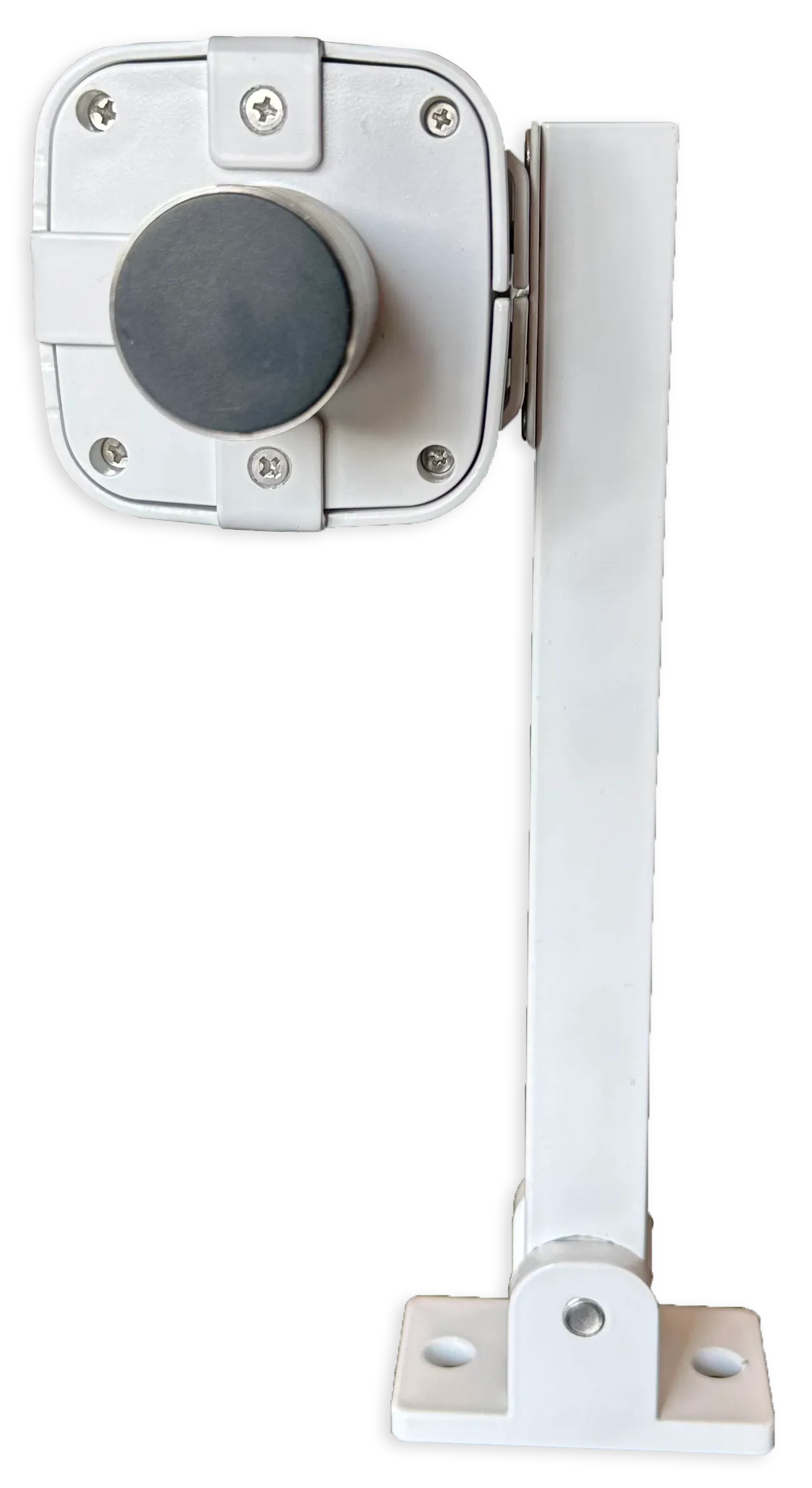 Radar Distance SensorNB-IoT | 4G LTE | LoRa
 -
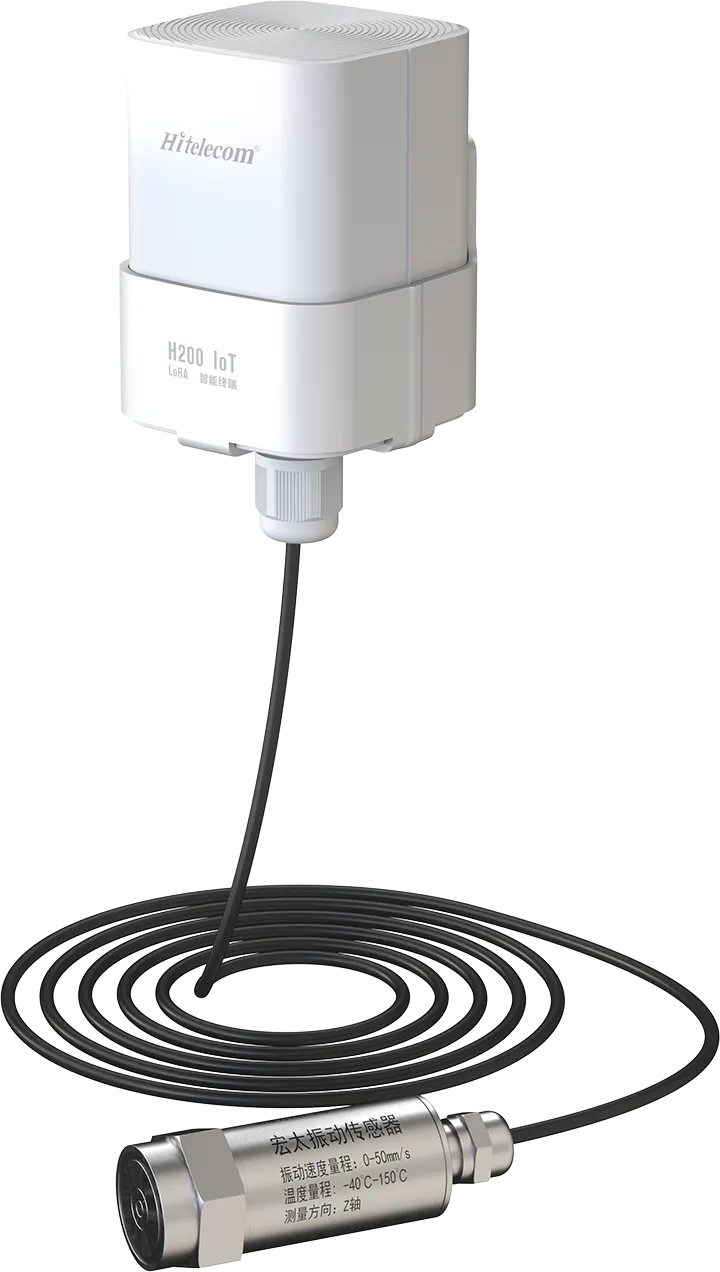 Vibration SensorNB-IoT | 4G LTE | LoRa
 -
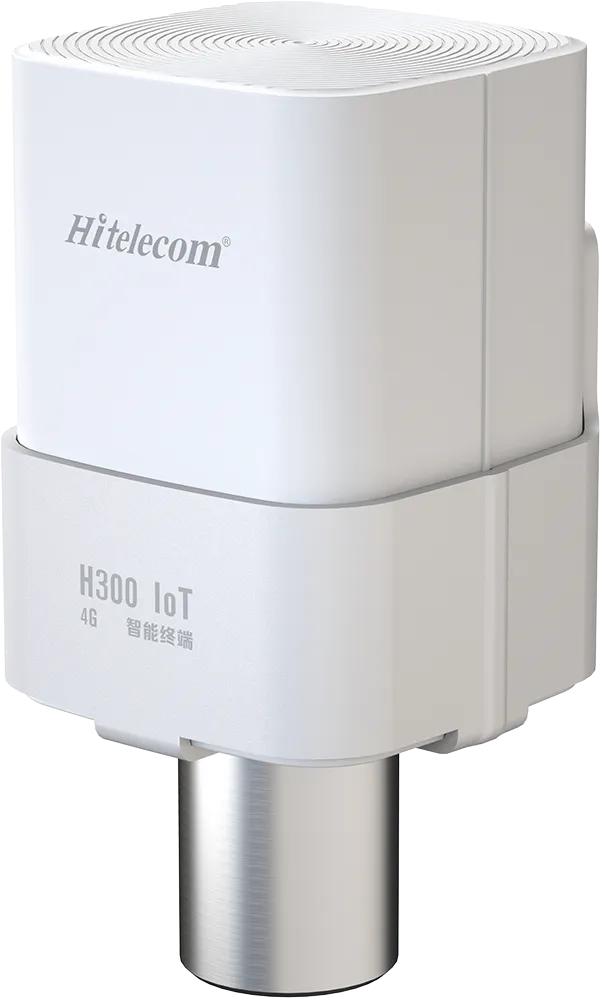 Air Quality SensorNB-IoT | 4G LTE | LoRa
 -
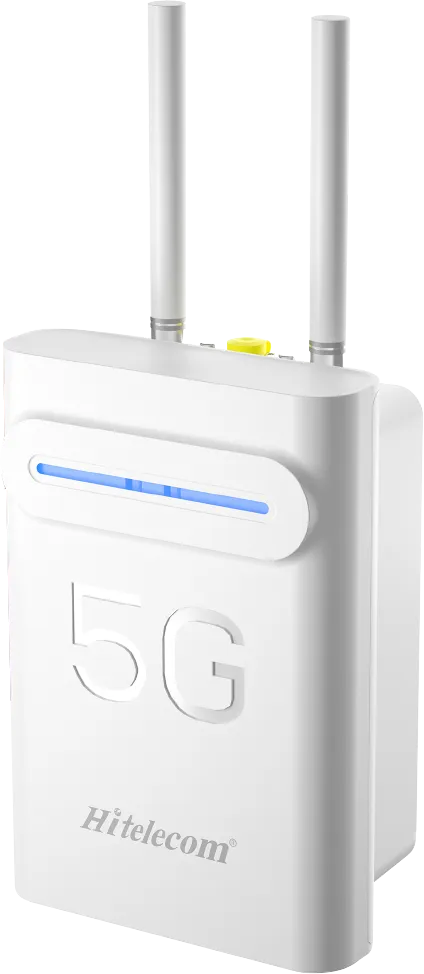 IndoorLoRa | 4G LTE | Ethernet
 -
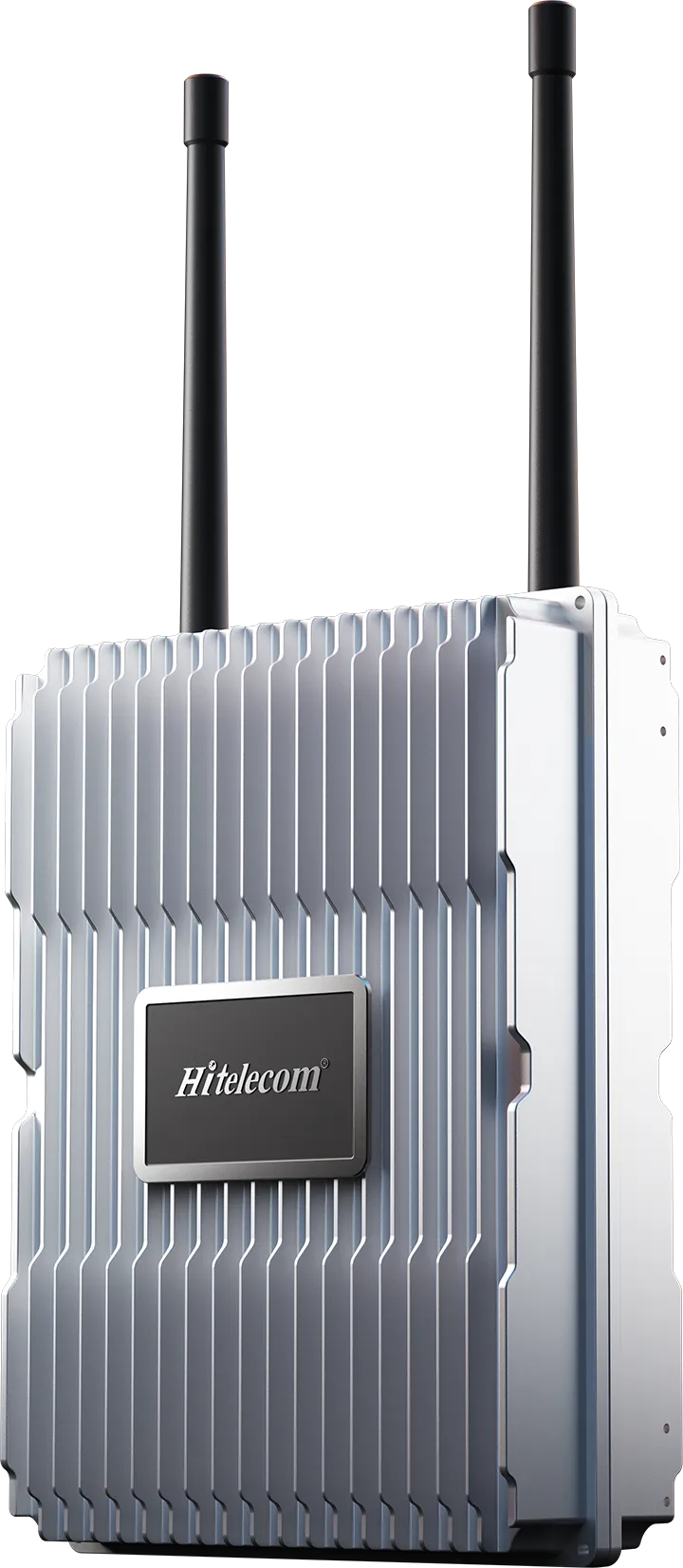 OutdoorLoRa | 4G LTE | Ethernet